iAspirants
Tamil Nadu Challenges Governor's Decision
Published on:
Share this post

Article Summary
Summary of Key Information: Tamil Nadu Government vs. Governor R.N. Ravi Case
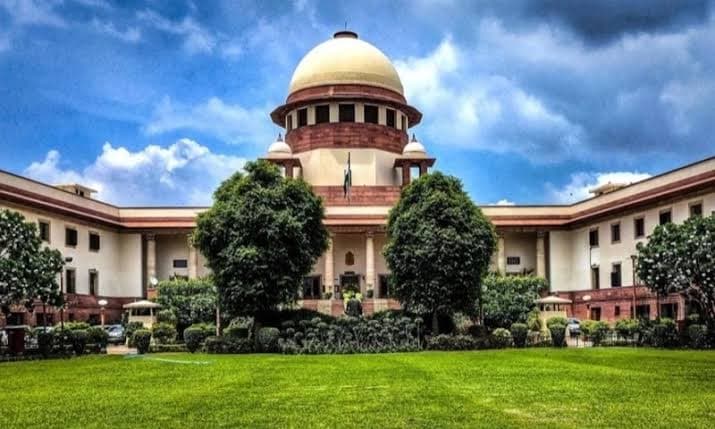
Judicial Action: The Tamil Nadu government has approached the Supreme Court challenging the decision of Governor R.N. Ravi to reserve the Kalaignar University Bill 2025 for Presidential consideration instead of granting assent as per State Cabinet advice.
Legal Representation: The State's plea is represented by senior advocates P. Wilson and Misha Rohatgi Mohta.
Constitutional Context:
- Article 200: This article allows the Governor to either grant assent to a Bill or reserve it for the consideration of the President of India. The Tamil Nadu government argues that the Governor must act in accordance with the aid and advice of the Council of Ministers, as enshrined in the Constitution.
- Judicial Precedent: A significant aspect of the case is tied to a Supreme Court judgment dated April 8, 2025, which set a three-month deadline for both Governors and the President to address Bills presented for assent.
Issues of Governance:
- The case highlights the growing tension between opposition-ruled states and their governors regarding the clearance of crucial laws. There are ongoing debates about the extent of the Governor's discretionary powers under Article 200 and whether they can act independently of the State Cabinet's advice.
Presidential Reference: The Supreme Court has reserved judgment on a recent Presidential Reference addressing issues regarding the Governor's role in the legislative process and the constitutional obligations involved.
Constitutional and Legislative Implications: The outcome of this case may have significant implications for the balance of power between state governments and the Governor's authority, as well as the functioning of legislative processes in states governed by opposition parties.
Public Interest: The Tamil Nadu government aims to highlight what they claim is an unconstitutional exercise of power by the Governor, underscoring the importance of adhering to constitutional mandates when it comes to legislative approvals and governance.
In summary, this case not only addresses the immediate concern regarding the Kalaignar University Bill but also touches upon broader constitutional principles regarding the relationship between state governments and the governors, setting a precedent for future legislative actions and executive discretion.
Key Terms & Concepts
| Kalaignar University Bill 2025 | Proposed law under dispute |
| R.N. Ravi | Governor involved in case |
| Droupadi Murmu | President receiving reserved Bill |
| Article 200 | Constitutional provision on assent |
| September 9 Judgement | Imposed deadline on Governors |
| April 8 Judgement | Judgment affecting Bill processing |
| Supreme Court | Judicial authority adjudicating case |