iAspirants
Current AffairsPrelims PYQsUPSC CSE SyllabusUPSC CSE StrategyBlogsPricing
Login
iAspirants

Your AI-powered companion for UPSC preparation.

Quick Links

  • Home
  • About Us
  • Current Affairs
  • Prelims PYQs
  • UPSC CSE Syllabus
  • UPSC CSE Strategy
  • Blogs

Company

  • Pricing
  • FAQs
  • Contact Us
  • Login

Legal

  • Privacy Policy
  • Terms & Conditions
  • Return Policy

© 2025 iAspirants, Inc. All rights reserved.

  1. Blogs
  2. Art and Culture

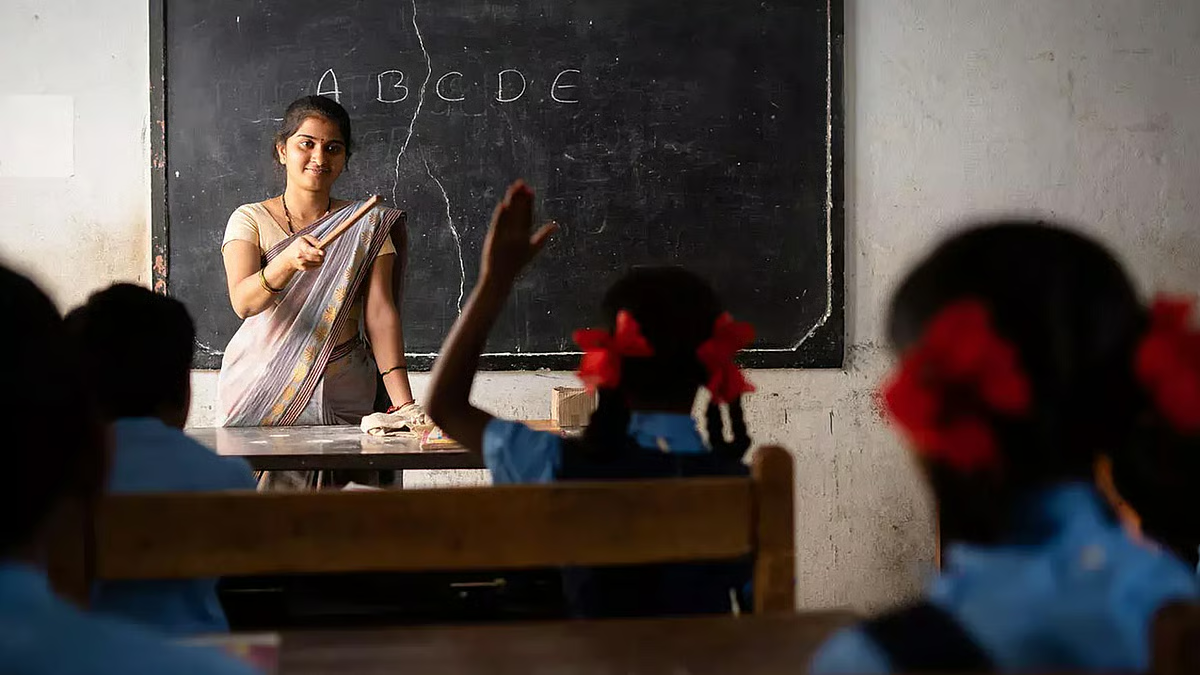
Teaching as Sacred Task for Humanity

Published on: 05-Sep-2026

Source: PIB

Share this post

Teaching as Sacred Task for Humanity

Article Summary

  • Key Themes from President Droupadi Murmu's Article on Teaching:

    • Teaching is described as a sacred task that shapes humanity.
    • Emphasis on the role of teachers in instilling knowledge, skills, values, and motivation in students.
    • Encouragement of independent thinking and curiosity among students.
  • Call to Action for Teachers:

    • Teachers are urged to guide students towards becoming good human beings.
    • Students should uphold values such as cultural heritage, scientific temper, the ideals of Antyodaya (upliftment of the last person), environmental conservation, and the principle of "Nation First".
  • Significance:

    • The article underscores the transformative power of education in shaping future generations.
    • It aligns with the constitutional mandate of education as a fundamental right and the Directive Principles of State Policy (DPSP) under Article 45, which calls for the provision of early childhood care and education for all children until they complete the age of six.
  • Cultural and National Values:

    • The focus on cultural heritage and environmental conservation reflects the broader goals of sustainable development and national integration.
    • These ideals resonate with various government schemes aimed at promoting education, environmental awareness, and cultural preservation.
  • Educational Policies:

    • This message aligns with the National Education Policy (NEP) 2020, which emphasizes holistic education, critical thinking, and the importance of nurturing values in students.
  • International Context:

    • The emphasis on education and values reflects global trends where education is seen as a key to achieving the Sustainable Development Goals (SDGs), particularly Goal 4: Quality Education.
  • Conclusion:

    • The advocacy for the role of teachers in shaping values and skills in students is critical for fostering responsible citizenship and sustainable development in India.

Key Terms & Concepts

Droupadi MurmuWrote article on teaching
September 5, 2026Date of article publication
Cultural HeritageValues to be preserved
Scientific ApproachEncouraged in education
AntyodayaIdeal to be followed
Environmental ProtectionValue to be instilled
Nation FirstCore value promoted

Mind Map for UPSC Civil Services Revision

Turn UPSC Civil Services Current Affairs Into Exam-Ready Notes

Reading Art and Culture current affairs is half the work. Revise them with ready-made notes and test what actually stuck.

  • Daily UPSC Civil Services current affairs analysis
  • Revision notes, mind maps & MCQs
  • Prelims mock tests with instant results

Related UPSC Civil Services Current Affairs Articles

Tragic Stampede at Kolkata Durga Puja
Polity and Governance18-Oct-2026

Tragic Stampede at Kolkata Durga Puja

Summary of Key Updates on Kolkata Durga Puja Stampede

  • Incident Overview:

    • A stampede occurred at Kolkata's Chorbagan Sarbojanin Durgotstab on October 17, 2026, leading to the deaths of at least 19 individuals and injuring 24 others, primarily women and children.

Government Responses:

  • Compensation Announcements:
    • West Bengal CM Suvendu Adhikari announced compensation of ₹25 lakh to each next of kin of those deceased and ₹5 lakh for the injured.
    • Prime Minister Narendra Modi declared an ex gratia of ₹2 lakh for the families of the deceased from the Prime Minister's National Relief Fund (PMNRF) and ₹50,000 for the injured.
  • Emergency Services and Medical Response:

    • Ambulances and firefighters responded promptly to the scene, with injured individuals transported to Kolkata Medical College for treatment.
    • Concerns raised by a medical intern highlighted inadequate emergency facilities at local hospitals, leading to referrals to private hospitals.
  • Investigation and Legal Actions:

    • Kolkata Police detained 12 individuals, including event organizers and volunteers, to investigate crowd management failures.
    • CM Adhikari has requested a judicial inquiry by the Chief Justice of the Calcutta High Court to establish a Special Investigation Team.
  • Public Safety Measures:

    • The West Bengal government has urged enhanced vigilance and precaution at ongoing Durga Pujas throughout the state.
    • CM Adhikari emphasized accountability and possible legal actions against those responsible for the mismanagement leading to the tragedy.
  • Eyewitness Accounts:

    • Eyewitnesses reported that false announcements regarding the pandal's collapse caused panic, leading to mass disorder.
  • Political Reactions:

    • Leaders across various political parties, including Mamata Banerjee and Rajnath Singh, expressed condolences and stressed the need for immediate medical support and thorough investigations.
  • Response from Local Authorities:

    • Local officials have halted public access to the Durga Puja pandal to facilitate investigations and rescue operations.
  • Economic and Social Impact:

    • The grief and loss from this incident may have profound economic and social effects, especially on the families of the deceased and injured, underscoring the need for strengthened emergency infrastructure and emergency response planning.
  • Overall, this incident has raised significant concerns about public safety, emergency preparedness, and accountability in managing large gatherings. The government's immediate financial assistance and commitment to investigate underlying causes are crucial steps in addressing the aftermath of this tragedy.

    Upcoming Mamankam Festival Details
    Art and Culture23-Sep-2026

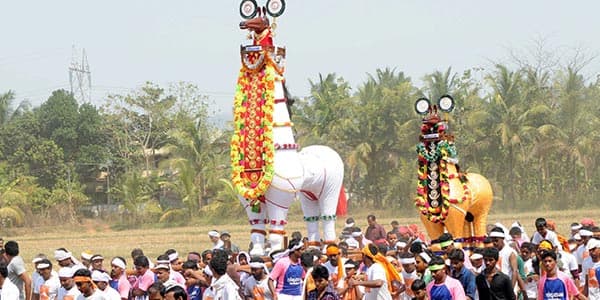
    Upcoming Mamankam Festival Details

    Azhvanchery Mana and Mamankam Memorial Festival Overview

    Event Details:

    • The 33rd Mamankam Memorial Festival is scheduled from January 22 to 24, 2027, at Tirunavaya.
    • Organized by Re-Echo, a cultural organization, with Azhvanchery Thamprakkal as chief patron.
    • Purpose: To educate younger generations about the history of Mamankam and promote the cultural heritage of Tirunavaya.

    Cultural Significance:

    • The festival has been celebrated since 1994 to preserve the legacy of Mamankam, which was traditionally held every 12 years.
    • It features various cultural programs including:
      • Historical re-enactments
      • Angavaal procession
      • History seminars
      • Communal harmony meetings
      • Memorial journey and lighting of the Mamankam memorial lamp
      • Kalaripayattu demonstrations
      • Book releases

    Historical Context:

    • Azhvanchery Mana is significant in Kerala’s religious and cultural history; traditionally led by the Azhvanchery Thamprakkal, a senior member of the Namboodiri caste, noted for expertise in Vedic rituals.
    • The Mamankam festival historically involved local rulers, including the Zamorin, and is linked to religious customs in Kerala.

    Organizers and Leadership:

    • The announcement was made in a traditional manner at Azhvanchery Mana, presided over by Re-Echo president Poovathingal Rasheed.
    • Keynote address by Ullattil Ravindran, with festival calendar handed over by guru K.V. Unnikurup.

    Cultural Heritage Protection Efforts:

    • Re-Echo has been active in advocating for the protection of Mamankam monuments, seeking their takeover by the State government.
    • The festival aims to engage public participation to preserve Mamankam’s memory through various cultural initiatives.

    Regional Importance:

    • Tirunavaya and Azhvanchery Mana hold historical relevance in Kerala, embodying the unique blend of tradition, culture, and history that the Mamankam festival seeks to honor and promote.

    Conclusion: The Mamankam Memorial Festival represents a significant cultural commitment to reviving and preserving the traditions of Kerala, reflecting the state's rich history and cultural narratives through interactive and educational festivities.

    Assam's Cultural Heritage Showcased 2026
    Art and Culture22-Sep-2026

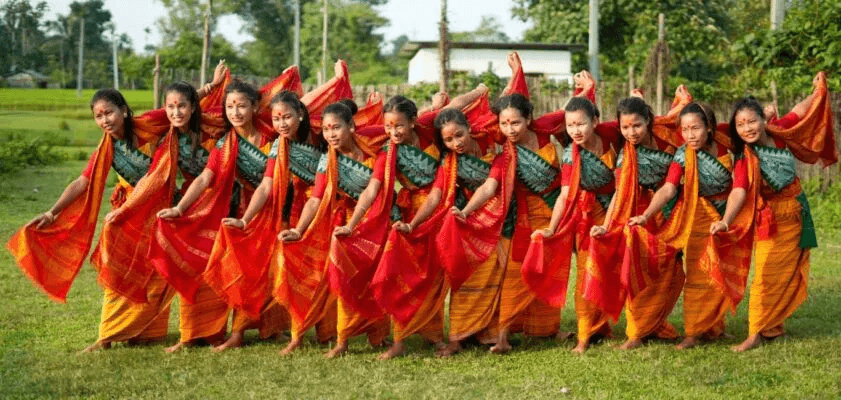
    Assam's Cultural Heritage Showcased 2026

    Exam-Focused Notes on PM Memento E-Auction 2026 and Assam's Cultural Heritage

    Overview

    • Event: PM Memento E-Auction 2026
    • Purpose: To showcase Assam’s cultural heritage and traditional craftsmanship through various artifacts.

    Cultural Heritage of Assam

    • Key Artifacts:
      • Handloom products, bamboo and cane crafts, brass items, and heritage artifacts reflecting Assam's unique cultural traditions.
      • Significant historical figures represented include:
        • Bhir Chilarai
        • Gopinath Bordoloi (Bharat Ratna awardee)
        • Chao Lung Sukafa
        • Srimanta Sankardeva
      • Presentation of the 1894 Patharughat War, an important chapter in Assam's history.

    E-Auction Details

    • Total Items: 1,498 mementos showcased.
    • Objective: Provides an opportunity for citizens, collectors, institutions, and art lovers to acquire mementos presented to the Prime Minister.
    • Exhibition: Held at the National Gallery of Modern Art (NGMA) in New Delhi, allowing visitors to appreciate the artistic and cultural significance of the items.
    • Organizing Ministry: Ministry of Culture.

    Fund Utilization

    • Proceeds from the auction are donated to the Namami Gange Programme, a national mission aimed at the conservation and rejuvenation of the Ganga River.

    Featured Assam Crafts

    1. Muga Silk Artwork: Depicts Queen Sati Sadhani of the Chutia Kingdom, created using organic colors and gold foil on Muga silk.
    2. Bamboo and Cane Wall Clock: Handmade clock showcasing sustainable craftsmanship.
    3. Eco-Craft Gift Box: Includes handmade slippers, baskets, hats, and a painting, illustrating the transformation of water hyacinth into sustainable products.
    4. Traditional Assamese Japi: Decorated with vibrant patterns, symbolizing hospitality and respect.
    5. Assamese Gamusa: Features traditional designs showcasing the state's handloom heritage.
    6. Brass Khoria: Traditional symbol of hospitality and respect in Assamese culture.
    7. Replica of Kamakhya Temple: Wooden model reflecting traditional architectural styles.

    Significance

    • The e-auction highlights the Intangible Cultural Heritage of Assam, emphasizing the skills, traditions, and cultural practices passed down through generations.
    • Celebrates Assam's contribution to India's rich cultural tapestry and promotes awareness of its historical and artistic legacy.

    Conclusion

    The PM Memento E-Auction 2026 serves as a significant platform to celebrate and preserve Assam's cultural heritage while supporting national initiatives like the Namami Gange Programme.

    Indian Film Wins International Award
    Art and Culture22-Sep-2026

    Indian Film Wins International Award

    Summary of Key Points: Angh Film and Academy Awards Eligibility

    Film Achievement

    • Film Title: Angh
    • Director: Theja Rio
    • Award: First-ever Indian film to win the Platform Prize at the Toronto International Film Festival (TIFF).
    • Award Amount: $20,000 CAD.
    • Significance: Eligible to compete in the Best International Feature Film category at the Academy Awards.

    Eligibility for Academy Awards

    • Academy Definition: An international feature film must be produced outside the U.S. with more than 50% dialogue in a non-English language.
    • New Guidelines (2026): Introduced by the Academy of Motion Picture Arts and Sciences for eligibility in the Best International Film category:
      • Films can be submitted if they win a qualified award at prominent international film festivals, including:
        • TIFF’s Platform Prize
  • Golden Bear (Berlin International Film Festival)
  • Busan Best Film Award (Busan International Film Festival)
  • Palme D’Or (Cannes Film Festival)
  • World Cinema Grand Jury Prize (Sundance Film Festival)
  • Golden Lion (Venice International Film Festival)
  • Selection Process for Academy Awards

    1. Selection for Consideration: National selection committees, like the Film Federation of India (FFI), oversee submissions.
    2. Academy Validation and Shortlisting: The International Feature Film Preliminary Committee reviews and votes on longlisted films.
    3. Nomination: Members of a separate Nominating Committee vote to select five official nominees.
    4. Award Voting: Final voting by all Academy members to determine the winner.

    Historical Context

    • Previous Indian Films Nominated:
      • Three Indian films reached the final five nominations prior to category renaming to Best International Feature Film:
        • Mother India (1957)
        • Salaam Bombay! (1988)
        • Lagaan (2001)
    • Recent Candidates: India’s Chhello Show (2022) and Homebound (2025) reached the 15-film shortlist under the current system.

    Conclusion

    The success of Angh at TIFF not only highlights the film's innovative vision but also marks a significant shift in the pathway for Indian films to compete on an international stage, particularly at the Oscars. With new eligibility criteria, the potential for global recognition of Indian cinema is expanding, further facilitated by the FFI's engagement in the submission process.