iAspirants
Current AffairsPrelims PYQsUPSC CSE SyllabusUPSC CSE StrategyBlogsPricing
Login
iAspirants
Current AffairsPrelims PYQsUPSC CSE SyllabusUPSC CSE StrategyBlogsPricingContact UsLoginSignUp
iAspirants

Your AI-powered companion for UPSC preparation.

Study Resources

  • Current Affairs
  • Prelims PYQs
  • UPSC CSE Syllabus
  • UPSC CSE Strategy
  • Blogs

Practice & Plans

  • Mains Answer Evaluation
  • Pricing
  • Sign Up
  • Login

Company

  • Home
  • About Us
  • Contact Us
  • FAQs

Legal

  • Privacy Policy
  • Terms & Conditions
  • Return Policy

© 2026 iAspirants, Inc. All rights reserved.

  1. Blogs
  2. Economic and Social Development

Tech Market Trends and AI Importance

Published on: 28-Nov-2026

Source: Indian Express

Share this post

Tech Market Trends and AI Importance

Article Summary

Summary of Key Points from the Article

Market Trends and Technology Impact

  • Stock Movements:
    • Nasdaq fell 5.5%, losing $2.5-3 trillion since November 5.
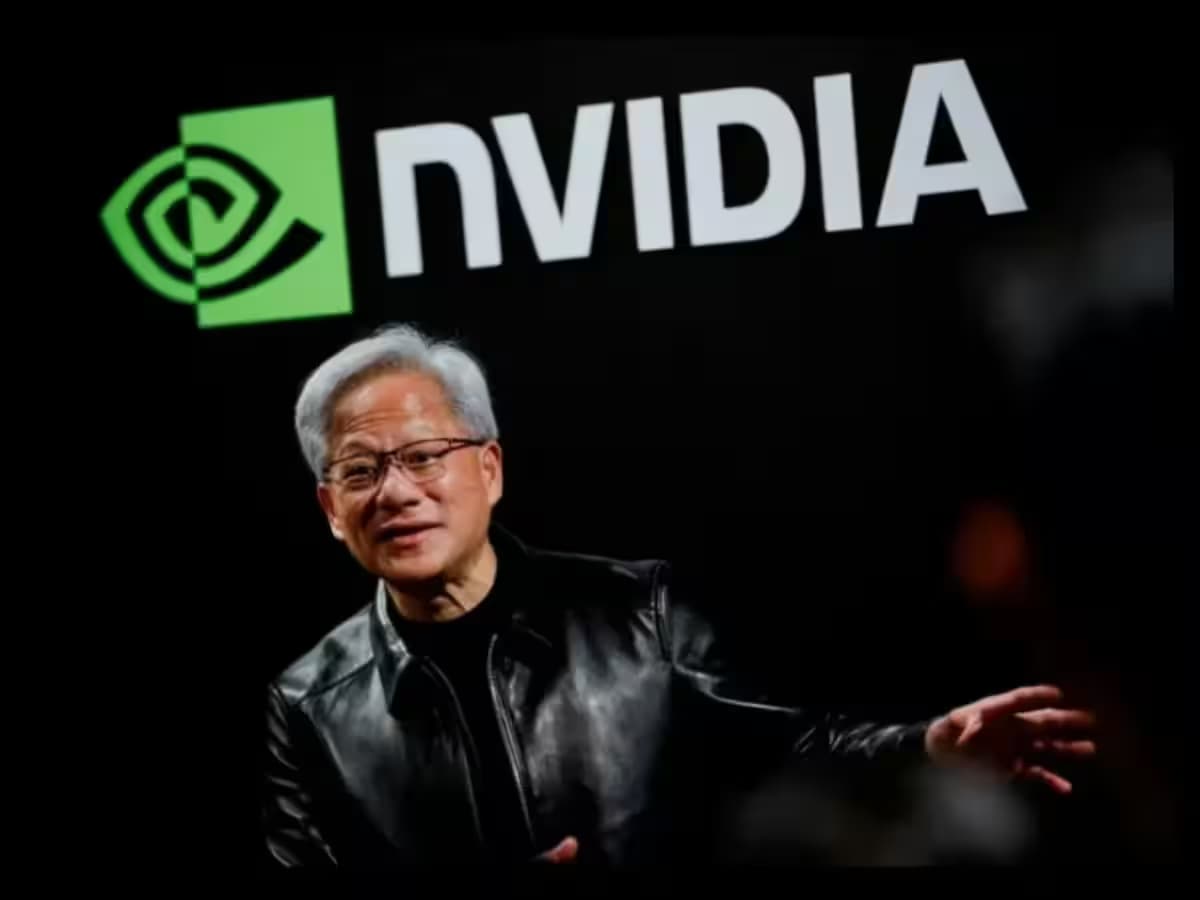
    • Nvidia saw a drop of approximately 50% from its October peak, followed by a 30% rise after Jensen Huang's reinstatement as CEO.
    • Anthropic, listed on the Nasdaq, priced at $83 a share, with a valuation around $1.5 trillion.

Company Performance and Talent Dynamics

  • Nvidia’s Performance:

    • Experienced seven consecutive weeks of loss; over $1 trillion in value was erased before recovering.
    • Board decided to reinstate Huang after concerns about losing ‘irreplaceable talent’.
  • Anthropic’s Growth:

    • Reported a revenue of $16.3 billion in the first half of 2026, a substantial increase from $4.6 billion in all of 2025.
    • Built by approximately 5,300 employees—a significant growth from about 940 at the end of 2024.
    • Value per employee estimated at $280 million.

Economic Indicators and Analysis

  • Investor Sentiment:
    • Market fluctuations reflect confidence in human capital rather than technological advancements.
    • Declining market performance concurs with a talent retention crisis within tech firms.

International and National Dynamics

  • Global AI Landscape:
    • India ranks second worldwide in AI authors and inventors (50,000), yet has the largest net outflow of AI talent.
    • Stanford’s 2026 AI Index highlights India's leading position in AI skill penetration.

Policy Implications and Recommendations

  • Talent Utilization:
    • Emphasizes the need for nations to retain talent in AI to capture economic opportunities and technological advancements.
    • Calls for investment in domestic chip design and computing models in native languages.

Strategic Outlook

  • Long-Term Viability:
    • The industry will experience corrections, but the fundamental demand for AI and technology is expected to endure.
    • The importance of talent acquisition is reiterated as crucial for nations looking to lead in innovation and technology advancements.

Conclusion

  • Emphasis is placed on the strategic significance of human capital in technology, particularly AI, indicating that future success will depend on effectively managing and retaining skilled professionals in a rapidly evolving industry landscape.

This analysis highlights the intersection of economic performance with technology and talent management, particularly within the context of India's potential in the global tech arena.

Key Terms & Concepts

NasdaqStock market index indicator
$2.5-3 trillionMarket valuation loss
NvidiaLeading AI chip maker
Jensen HuangCEO of Nvidia
AnthropicAI company valuation
November 19Date of Anthropic listing
$16.3 billionAnthropic revenue first half 2026
$4.6 billionTotal revenue for 2025
Stanford’s 2026 AI IndexGlobal AI research ranking
50,000AI authors in India
2,20,000AI authors in the USA
H-1B visaWork visa fee issue
Sovereign inference chipsRequired domestic technology

Mind Map for UPSC Civil Services Revision

Turn UPSC Civil Services Current Affairs Into Exam-Ready Notes

Reading Economic and Social Development current affairs is half the work. Revise them with ready-made notes and test what actually stuck.

  • Daily UPSC Civil Services current affairs analysis
  • Revision notes, mind maps & MCQs
  • Prelims mock tests with instant results

Related UPSC Civil Services Current Affairs Articles

New Super Specialty Block Inaugurated
Economic and Social Development28-Nov-2026

New Super Specialty Block Inaugurated

Summary of Holy Family Hospital Super Specialty Block Inauguration

  • Facility Overview:

    • Holy Family Hospital, located in South Delhi, inaugurated a new 150-bed super specialty block.
    • New total bed capacity rises from 345 to 495.
Practise Mains answer writingUpload a handwritten answer and get it evaluated
  • Services Offered:

    • The super specialty block introduces advanced cancer care services that include:
      • Surgical, radiation, and medical oncology
      • Hematology-oncology and bone marrow transplantation
      • Nuclear medicine
      • Advanced cardiothoracic and vascular surgery
      • Neurology and neurosurgery
      • Organ transplantation
  • Inauguration Details:

    • Inaugurated by Vice-President C.P. Radhakrishnan.
    • Event highlighted a historical connection, referencing the original foundation laid in 1953 by Dr. Sarvepalli Radhakrishnan, another Vice-President of India.
    • Message from Pope Leo XIV recognized the hospital's efforts and commitment to healthcare as part of the Church’s mission.
  • Institution Background:

    • Established in 1953 by the Medical Mission Sisters as a charitable, non-profit organization.
    • Managed by the Delhi Catholic Archdiocese.
    • Accredited by NABH (National Accreditation Board for Hospitals) and NABL (National Accreditation Board for Testing and Calibration Laboratories).
  • Government and Healthcare Strategy:

    • Vice-President Radhakrishnan suggested forming a national forum among cancer institutions to share expertise and challenges.
    • Objective: To enhance accessibility and affordability of quality cancer treatment across India.
  • Commitment to Public Health:

    • The hospital emphasizes the combination of advanced medical technology and specialist expertise while ensuring affordable healthcare for various socio-economic groups.
  • Anaemia Prevalence and Nutritional Challenges
    Economic and Social Development27-Nov-2026

    Anaemia Prevalence and Nutritional Challenges

    Summary of Key Findings from ICMR-National Institute of Nutrition’s SAMPADA Survey

    Health Indicators

    • Anaemia Prevalence:

      • 55.9% of non-pregnant, non-lactating women (ages 15-49).
      • 46.3% of adolescent girls (ages 10-19).
      • 43.6% of pregnant women.
      • 58.1% of lactating mothers.
    • Health Impact:

      • Anaemia affects strength, concentration, productivity, and quality of life. Risks are heightened during pregnancy and childbirth.
      • Severe cases below 2% across most age groups.
    • Nutritional Factors:

      • Iron deficiency only accounts for around 50% of anaemia cases.
      • Other factors include deficiencies of essential nutrients, infections, chronic disorders (e.g., thalassaemia, sickle cell disease), and kidney issues.

    Dietary Trends

    • Nutritional Imbalance:
      • Diets often consist of ultra-processed foods high in fats, sugars, and salts.
      • Issues highlight the need for dietary diversity and awareness, beyond mere food availability.

    Regional Disparities

    • Geographical Variations in Anaemia:
      • Andaman and Nicobar Islands: 81.2% prevalence among women of reproductive age.
      • Ladakh: 77.1% prevalence.
      • West Bengal: 72.4% prevalence.

    Government Initiatives

    • Existing Schemes:
      • Anaemia Mukt Bharat: Aimed at reducing anaemia rates through various interventions.
      • Poshan 2.0: Focuses on improving nutritional outcomes for mothers and children.

    Policy Implications

    • The findings necessitate a shift towards targeted nutritional strategies incorporating:
      • Enhanced screening.
      • Nutritional counselling.
      • Dietary diversification.
    • Addressing the persistent gaps identified in nutritional education and healthcare access is crucial for improving overall health outcomes.

    Conclusion

    • Survey results call for a more nuanced approach to nutrition policy in India, leveraging existing initiatives while addressing regional disparities and the multifactorial nature of anaemia and nutritional deficiencies.
    Nvidia's Leadership Crisis and AI Industry
    National and International Importance26-Nov-2026

    Nvidia's Leadership Crisis and AI Industry

    Exam-Focused Summary of Nvidia Leadership Crisis and AI Market Impact

    Corporate Governance and Leadership

    • Jensen Huang, CEO of Nvidia, faced a brief resignation on November 12, later reinstated within 11 days.
    • Allegations against Huang included misleading the board regarding his relationship with Alice Huang, an executive linked to Megaspeed, a company under scrutiny for potential espionage tied to US-China relations.

    Economic Impact and Market Analysis

    • Nvidia's stock fell 14.35% after the resignation announcement, briefly erasing around $600 billion in market value.
    • A key industry analyst, Dan Ives from Wedbush, estimated incremental price adjustments: $225 per share without Huang, $300 with him due to his significant influence.
    • Nvidia’s revenue surged to $115.8 billion, reflecting a 103% year-on-year increase, with guidance predicting revenue of $130 billion for the following quarter.

    AI Investment and Industry Position

    • Nvidia committed over $40 billion towards AI equity investments within the first four months of 2026, including $30 billion specifically invested in OpenAI.
    • Fear among investors was primarily about a financing unwind rather than lower chip sales, impacting companies like CoreWeave, Nebius, and IREN adversely.

    Data Center Growth in India

    • India has seen a rise in data center capacity from 375 megawatts in 2020 to 1.57 gigawatts in 2026, with significant dependence on Nvidia's GPUs for operations.
    • The IndiaAI Mission and various Indian startups are increasingly reliant on the infrastructure and technology provided by Nvidia.

    National Security and International Relations

    • The Department of Justice (DOJ) is conducting a criminal investigation into Megaspeed concerning potential national security risks.
    • Reinstatement was influenced by advocacy from influential figures such as Elon Musk, and the backing of the US government, emphasizing Nvidia chips' strategic importance in technological competitiveness against China.

    Regulatory and Investigative Actions

    • The California Department of Justice continues its investigation, while three US House committees plan hearings in December to examine the situation further.
    • The governance and potential unaddressed lapses in corporate responsibility contrast with the urgency to maintain strong leadership during critical competitive periods in AI.

    Conclusion

    The reinstatement of Huang underscores the complex interplay between corporate governance, market confidence, and national security considerations, particularly in sectors critical to US technological leadership. As investigations proceed, the future of Nvidia's leadership remains closely tied to both market performance and governmental oversight.