iAspirants
The Wisdom of Thirukkural
Published on:
Share this post
Article Summary
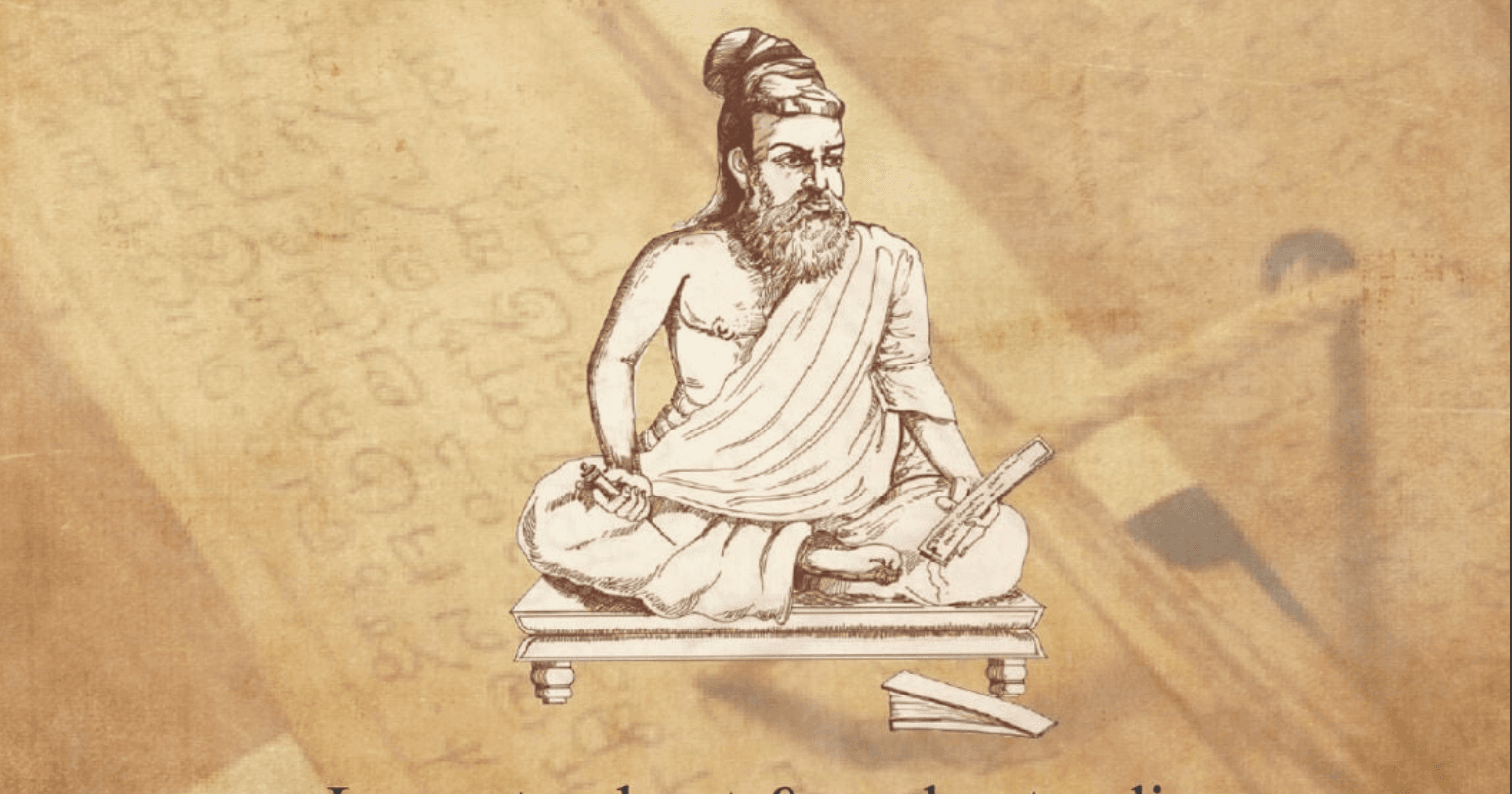
Thirukkural: A classic text of Tamil literature by Thiruvalluvar, composed during the Sangam era (circa 3rd BCE to 3rd CE). It consists of 1,330 couplets (kurals) divided into three categories: aram (virtues), porul (wealth), and inbam (love life), emphasizing universal values such as honesty, learning, kindness, and social responsibilities.
Medical Insights: The text provides ten couplets related to medicine, focusing on dietary practices and the role of physicians. Key teachings include:
- Moderation in Eating: Emphasis on eating only when hungry and ensuring proper digestion before the next meal, countering modern tendencies of binge eating and fast food culture.
- Patient-Centric Approach: Guidance for doctors to identify root causes of diseases instead of merely treating symptoms, advocating for personalized patient care based on demographics and conditions.
Healthcare Philosophy: Thiruvalluvar's teachings predate modern medical principles, emphasizing the following hierarchy when treating patients:
- The patient
- The treating doctor
- Medications prescribed
- Nursing care
- Hospital management
Cultural Importance: Thirukkural has transcended regional and religious boundaries, translated into over 100 languages, and is included in school curriculums and public exhibitions, making its teachings accessible to a broad audience.
Constitutional and Educational Integration: Its inclusion in the education system aligns with India's commitment to promoting moral values and ethics in education, reflecting the Directive Principles of State Policy (DPSP) outlined in Article 45 of the Indian Constitution, which aims for early childhood care and education.
International Recognition: The Thirukkural's influence extends beyond India, impacting ethical, political, and social discourse globally. Its study has significant implications for enhancing interpersonal relations and professional ethics in medicine and other fields.
Judicial Relevance: The text is sometimes referenced in legal and ethical discussions concerning the responsibilities of health care providers, reinforcing principles of duty to care.
Impact on Healthcare Professionals: The teachings encourage modern healthcare practitioners to adopt holistic approaches rather than relying solely on specialized consultations, advocating for a multidisciplinary approach to healthcare.
Current Health Trends: The principles discussed are increasingly relevant as issues like obesity, lifestyle diseases, and the effects of fast food become prevalent in modern societies. Emphasis on traditional wisdom promotes healthier lifestyle choices.
Sociocultural Heritage: The Thirukkural serves as a vital connection to India's cultural heritage and ethical philosophy, inspiring both personal development and professional practices in varying sectors, including healthcare.
Long-term Understanding: The work encourages continuous reflection at different life stages, indicating that its teachings can be revisited for new insights relevant to personal and professional growth.
This summary provides a comprehensive overview of the cultural, ethical, and healthcare-related principles contained in the Thirukkural, relevant to exam preparation and understanding of its contemporary implications.
Key Terms & Concepts
| Thirukkural | Ancient Tamil literature text |
| Thiruvalluvar | Author of Thirukkural |
| Sangam period | Historical context of Thirukkural |
| 1,330 couplets | Total couplets in Thirukkural |
| aram, porul, inbam | Three divisions of Thirukkural |
| virtues, wealth, love life | Major themes in text |
| 100 languages | Number of translations worldwide |
| government policies | Inclusion in school textbooks |
| Mayo brothers | Influential figures in medicine |
| medical treatment principles | Key concepts by Valluvar |
| obesity epidemic | Modern health crisis addressed |