iAspirants
Threats to Global Nuclear Facilities
Published on:
Share this post
Article Summary
Exam-Focused Notes on Nuclear Facilities and International Relations
Nuclear Threats and International Incidents:
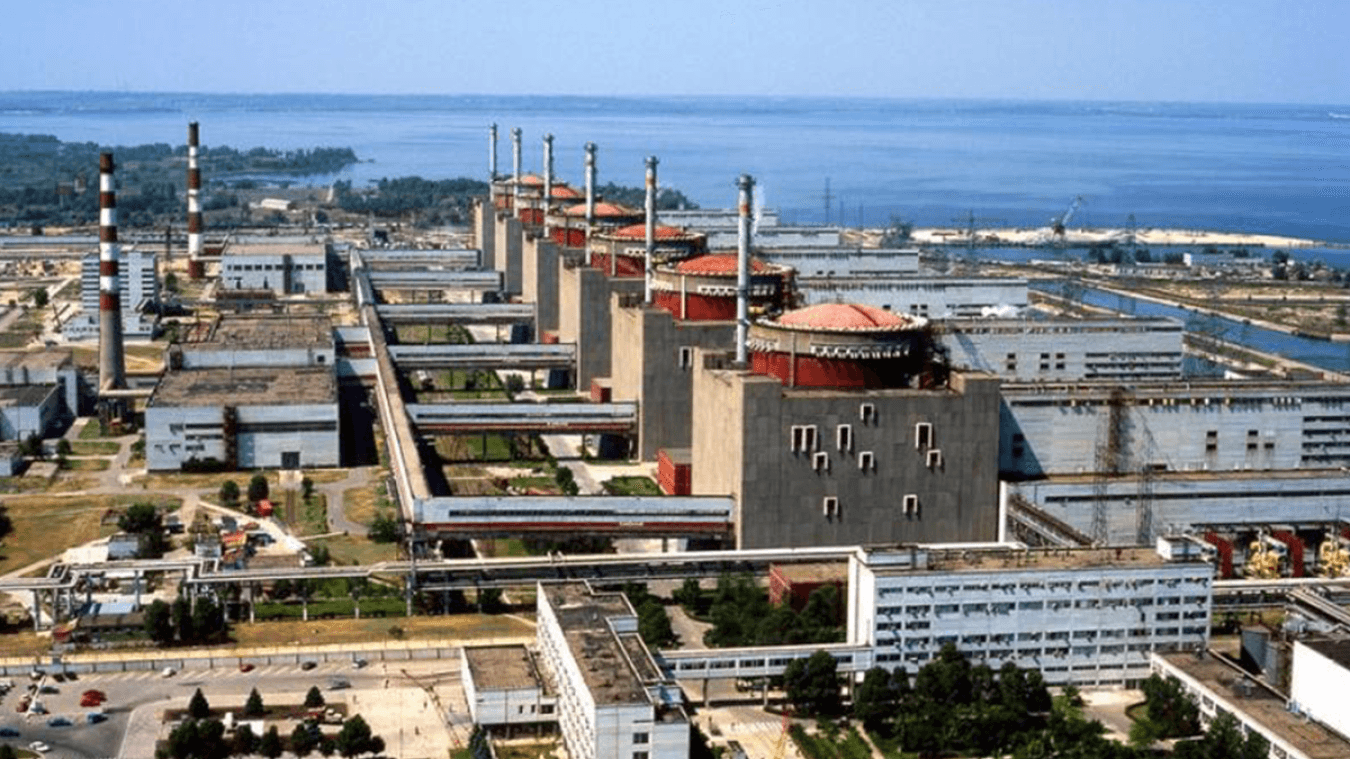
Zaporizhzhia Nuclear Power Plant (Ukraine): Captured by Russian forces in 2022, the facility faced repeated military assaults including shelling and drone strikes.
Iran’s Nuclear Programme: Viewed as a critical security threat by Israel, resulting in ongoing military actions against Iranian nuclear sites since 2024.
U.S. Military Actions: In 2025, the U.S. targeted Iranian facilities including:
- Fordow and Natanz (uranium enrichment sites)
- Isfahan (fuel cycle complex) Claims of destruction by U.S. President Trump contradicted by IAEA reports indicating stockpiles remained intact.
IAEA Assessment: As of March 2, 2025, IAEA reported no damage to Bushehr and Tehran reactors; however, subsequent strikes led to damage reports as of March 3.
Legal Framework and Consequences:
Geneva Conventions: Prohibit endangering nuclear facilities if they release dangerous forces, highlighting the illegal nature of military strikes.
Humanitarian and Environmental Risks: Damage to nuclear facilities can lead to catastrophic releases of caesium-137, causing long-term land contamination and global food security threats.
Geopolitical Implications:
- Military strikes do not provide strategic resolution and may strengthen Iran's nuclear ambitions, pushing facilities to less accessible sites.
- Potential diplomatic deterioration due to destructive military actions undermines long-term safety dialogues.
Iran's Economic Context and Alliances:
- Current economic state of Iran: facing 60% inflation.
- Iran has established long-term military and technological partnerships with Russia and China providing air defense and navigation systems, potentially reducing reliance on Western powers.
Risks of Ongoing Military Actions:
- Refugee Crisis: Potential exodus from a population of approximately 93 million.
- Asymmetric Retaliation: Threats against U.S. bases in the Gulf.
- Nuclear Catastrophe: Increasing geopolitical instability poses a significant nuclear disaster threat.
Diplomatic Considerations:
- Possible U.S. concessions of sanctions relief for enhanced IAEA monitoring.
- Need for negotiations to restore stability and prevent further escalation in nuclear threats.
Key Takeaways:
- The escalating military actions surrounding nuclear facilities represent significant breaches of international law and pose immense environmental and humanitarian risks.
- The strategic landscape is shifting with increased military action potentially catalyzing more covert nuclear developments in adversarial states.
- Economic pressures on Iran, alongside new alliances, complicate the dynamics of U.S. foreign policy and regional security.
Key Terms & Concepts
| Zaporizhzhia nuclear power plant | faced repeated attacks |
| Iran’s nuclear programme | viewed as existential threat |
| Fordow and Natanz | targets of U.S. strikes |
| Isfahan | enriches uranium |
| IAEA | monitors nuclear activities |
| nuclear stockpile | managed by National Nuclear Security Administration |
| Geneva Conventions | prohibit endangering nuclear facilities |
| caesium-137 | causes acute radiation sickness |
| 60% inflation | current economic condition in Iran |
| 93 million | population of Iran |