iAspirants
Tiger Conservation Success in Odisha
Published on:
Share this post
Article Summary
Exam-Focused Notes on the Conservation of Similipal Tiger Reserve, Odisha
Background:
- Similipal Tiger Reserve, Odisha, is home to India's unique pseudo-melanistic tigers, also known as black tigers, with a rare genetic trait due to isolation and inbreeding.
Translocation Program:
- In late 2024, Zeenat, a tigress from Tadoba-Andhari Tiger Reserve, Maharashtra, was relocated to Similipal as part of a scheme to diversify the gene pool.
- The National Tiger Conservation Authority (NTCA) facilitated the guidelines for Zeenat's relocation.
Challenges and Monitoring:
- After release, Zeenat initially moved over 300 km across Odisha, Jharkhand, and West Bengal, evading capture.
- For 21 days, wildlife officials monitored her using a radio collar, which provided real-time data on her movements for adaptation assessment.
Success Indicator:
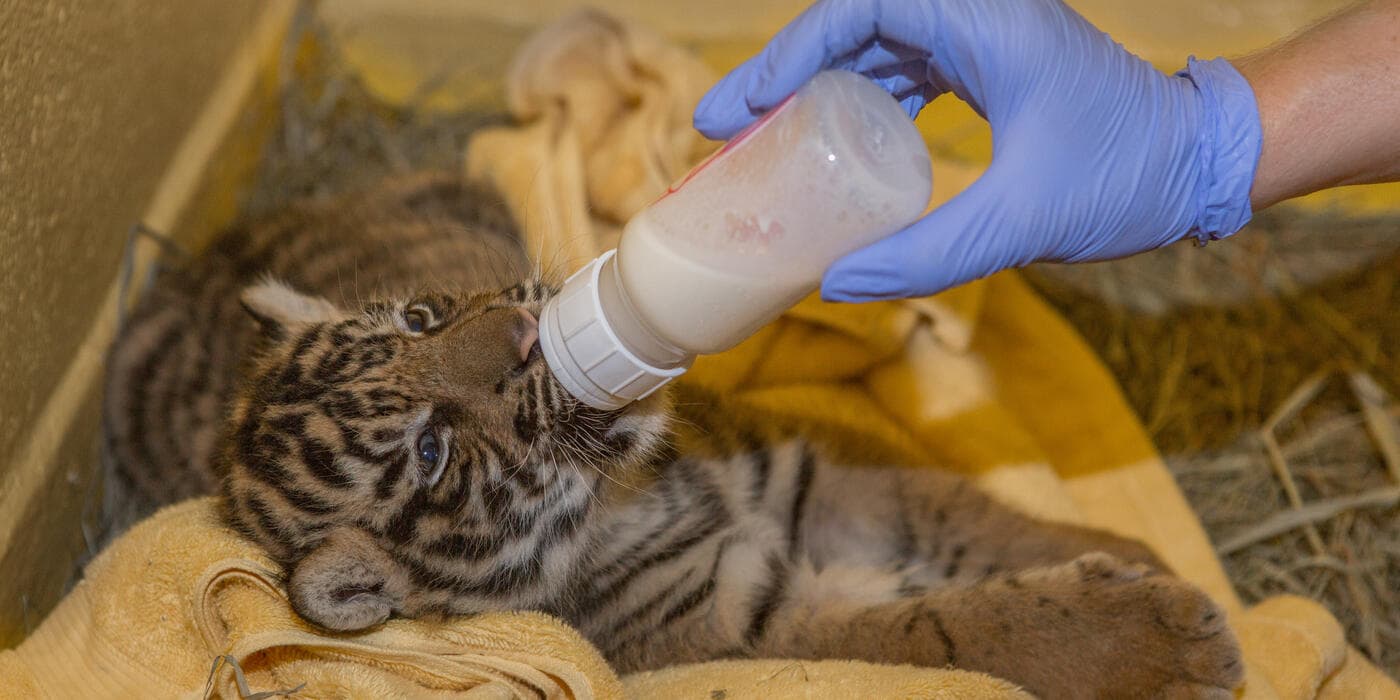
- Recent camera traps confirmed the birth of four cubs, approximately 3 to 4 weeks old, signifying a major milestone in enhancing genetic diversity.
- This successful mating with a resident male was a key objective, aimed at mitigating inbreeding-related genetic issues.
Conservation Objectives:
- The primary goal of the tiger translocation project was the introduction of fresh genetic material to ensure long-term viability and health for the Similipal tiger population.
- The cubs are expected to have a broader genetic base, fostering better survival chances against environmental changes and genetic diseases.
Government Response and Future Monitoring:
- Odisha Chief Minister Mohan Charan Majhi hailed the event as significant for wildlife conservation, indicating administrative insights into biodiversity and habitat allocation.
- Ongoing monitoring of Zeenat and her cubs will be continued, with future decisions, such as the removal of the radio collar, to be made by a high-level committee of government and NTCA representatives.
Constitutional and Policy Context:
- The initiative aligns with the Constitution of India, particularly Article 48A (Protection and improvement of environment and safeguarding of forests and wildlife).
- The Ministry of Environment, Forest and Climate Change oversees national wildlife conservation projects aligned with ecological preservation mandates.
Conclusion:
- The success of Zeenat’s translocation and the subsequent birth of cubs showcases a vital step toward conservation and enhancement of biodiversity within India's wildlife reserves. The ongoing efforts emphasize strategic planning in wildlife management and habitat protection.
Key Terms & Concepts
| Similipal Tiger Reserve | Location of tiger conservation |
| Tadoba-Andhari Tiger Reserve | Source of translocated tigress |
| National Tiger Conservation Authority (NTCA) | Guidance for conservation activities |
| Zeenat | Translocated tigress |
| Pseudo-melanistic tigers | Unique tiger population |
| April 2025 | Date of tigress' release |
| January 2026 | Date of successful mating |
| four cubs | Offspring of translocated tigress |
| Maharashtra | Origin state of Zeenat |
| Odisha | Current location of conservation |
| 300 kilometres | Distance traveled by tigress |
| Prakash Chand Gogineni | Field Director of Similipal |
| P K Jha |