iAspirants
Trump's Board of Peace Initiative Explained
Published on:
Share this post
Article Summary
Exam-Focused Notes on Donald Trump's Proposal for the "Board of Peace"
Proposal Overview:
- US President Donald Trump proposed the establishment of a "Board of Peace" to manage global conflicts.
- The initiative was announced in the context of the situation in Gaza and aims to address international peace and security, raising questions about its implications for the UN Security Council (UNSC).
Implications for International Governance:
- Critics view the Board of Peace as challenging the UN Charter's principles: sovereign equality, universal membership, and collective decision-making.
- This proposal suggests a shift towards an exclusive, US-led governing body rather than the inclusive model the UN represents.
Historical Context and Shift in US Policy:
- Washington’s recent exits from over 60 international organizations highlight a trend towards minimizing multilateral commitments.
- The Board of Peace aligns with recommendations from the Heritage Foundation’s Project 2025, advocating for more ad hoc coalitions led by the US.
UN Security Council Involvement:
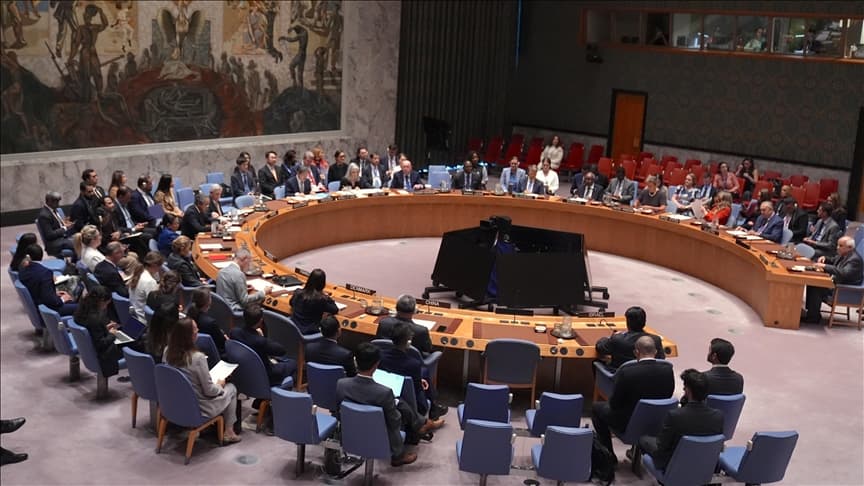
- The UNSC adopted Resolution 2803 in November 2025, allowing the creation of the Board in the context of Gaza, with a mandate extending until the end of 2027.
- Countries from the Global South generally supported this resolution, although Russia and China abstained.
Structure and Functionality of the Board:
- Trump would chair the Board, exerting significant control over its agenda and decision-making processes, with an executive committee composed of trusted allies.
- The Board's operational strategy includes establishing a Palestinian technocratic administration for essential services in Gaza, emphasizing security, deradicalization, and reconstruction.
Potential for a New Multilateral Framework:
- Supporters argue that the Board of Peace can effectively address paralysis in current UNSC operations and present a model for addressing broader global issues.
- The proposed Board is seen as a potential replacement for the traditional UN-led structures, particularly by sectors of the Republican party critical of the UN’s bureaucracy and effectiveness.
Legitimacy and Future of the Board:
- The legitimacy of the Board largely relies on the UNSC mandate, which could expire in 2027 if not renewed.
- A successful implementation in Gaza could result in other nations aligning with the Board, diverting attention and resources from the UN.
Impact on India’s Multilateral Strategy:
- This development prompts India to reassess its position and strategies within the multilateral framework, particularly in its advocacy for reforming the UN.
- As the global governance structure experiences significant changes, India may need to develop new diplomatic strategies beyond traditional multilateral approaches.
Conclusion:
- The establishment and success of Trump's Board of Peace represent a paradigmatic shift in international relations, moving towards a model that could potentially diminish the role of the UN and reshape global governance.
- This situation calls for continuous observation and analysis regarding how emerging structures like the Board of Peace influence international diplomacy and conflict resolution.
Key References:
- UN Security Council Resolution 2803 (2025)
- Project 2025, Heritage Foundation
- UN Charter principles (sovereign equality, collective decision-making).
Key Terms & Concepts
| Board of Peace | New international conflict resolution body |
| UN Security Council | Principal global forum for peace |
| Resolution 2803 | Authorised Gaza transitional administration |
| Project 2025 | Heritage Foundation blueprint |
| UNESCO | Organization US withdrew from |
| World Health Organization | Organization US withdrew from |
| Gaza | Context for new governance model |
| Global South | Voted for UNSC Resolution 2803 |
| February 2025 | Audit of America's multilateral engagements |
| 2027 | End of Board of Peace mandate |