iAspirants
UN Leadership Calls for Overhaul
Published on:
Source: Indian Express
Share this post
Article Summary
Exam-Focused Notes on UN and Global Multilateralism
Key Statements by UN Secretary-General António Guterres
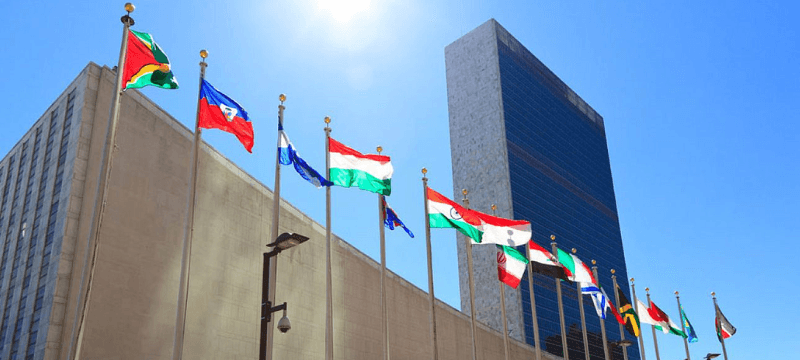
- International Governance Crisis: Guterres highlighted the paralysis of the UN Security Council, stating it does not reflect today's global power dynamics, leading to legitimacy and effectiveness issues.
- Need for Overhaul: Emphasized that UN reform is insufficient; a comprehensive overhaul is required to address current global realities.
Remarks on Current Global Leadership Dynamics
- Guterres noted ongoing challenges in multilateral governance due to deepening divides among superpowers.
- Prominent Absences at UNGA: Many leaders, including India's Prime Minister Narendra Modi, opted not to attend the 81st UN General Assembly session, signaling discontent with the UN's relevance.
Statements from Global Leaders
- India's Position: PM Modi stated that global institutions are losing relevance and reform is crucial for continued importance.
- US Perspective: Former President Donald Trump's administration expressed skepticism towards multilateral institutions, underscoring a preference for unilateral action reflecting national interests.
Call for Reformation in Global Governance
- Regional Influence: The discussion emphasized the urgency for leaders from the Global South to establish a new framework, termed an "Indo-Pacific Charter," that acknowledges multipolarity.
- Historical Context: Reference to the Atlantic Charter (1941) signifying foundational changes through collaboration during crises, suggesting a need for similar contemporary frameworks.
UN’s Structural Challenges
- Obstacles to Reform:
- India's External Affairs Minister S. Jaishankar pointed out that reform processes often face significant bureaucratic hindrances.
- John Bolton’s comments highlighted the difficulty in amending the UN Charter due to potential vetoes from permanent members.
Conclusion
- There is a recognized need for significant structural changes within international institutions, particularly the UN, to ensure they are fit for contemporary global challenges.
Important Aspects for Consideration
- Constitutional Framework: Reference to the foundational structure of intergovernmental organizations established post-World War II and the need for significant updates.
- Global Economic Indicators: Lack of confidence in multilateral bodies could lead to significant shifts in global trade and cooperation.
- Political Dynamics: The absence of key leaders indicates potential shifts towards regionalism or bilateral agreements over traditional multilateralism.
Future Directions
- Bilateral/Multilateral Agreements: Increased emphasis on regional charters as alternatives to existing institutions.
- Engagement Strategies: Advocating for new forms of multilateralism that resonate with current global power distributions.
These notes encapsulate essential insights regarding the current state and challenges facing global governance, specifically in the framework of the United Nations, and highlight calls for significant changes in response to evolving geopolitical realities.
Key Terms & Concepts
| António Guterres | UN Secretary-General Comments |
| BRICS summit | International meeting |
| Security Council | UN governing body |
| 80th UN General Assembly | High-level international meeting |
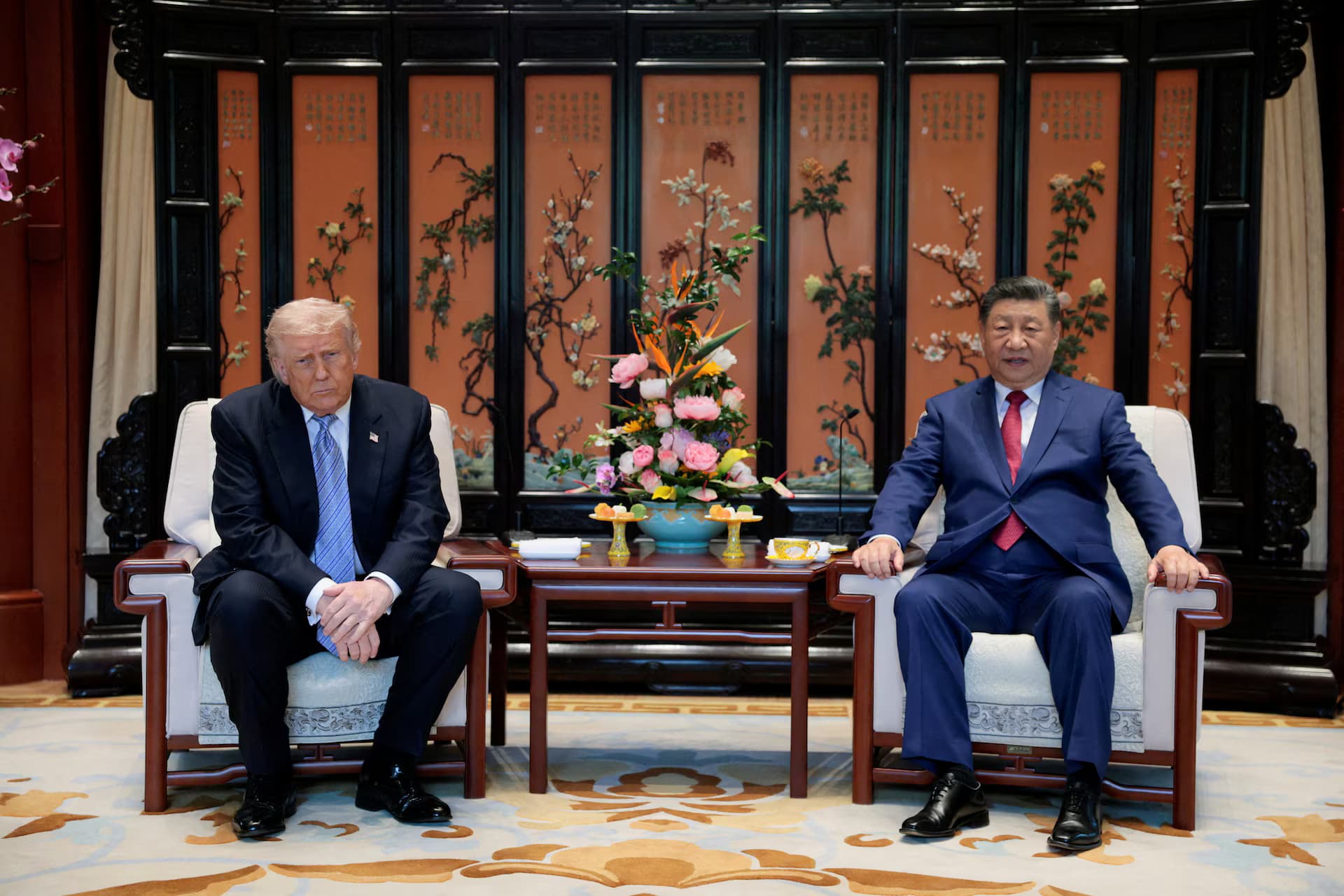
| Xi Jinping | Chinese President |
| Donald Trump | Former US President |
| Marco Rubio | US Secretary of State |
| International Criminal Court (ICC) | Judicial body criticized |
| UNESCO | UN agency criticized |
| Indo-Pacific Charter | Proposed new multilateral framework |
| Atlantic Charter | Foundational document for UN |