iAspirants
Understanding Advaita Vedanta Philosophy
Published on:
Share this post
Article Summary
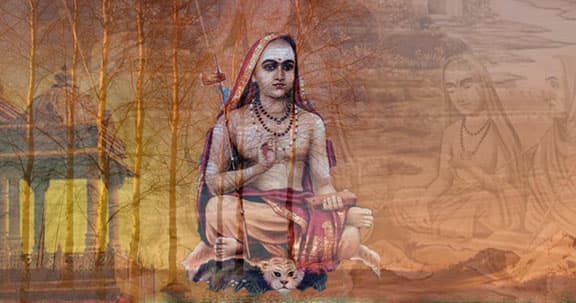
Philosophical Framework: Advaita Vedanta, established by Sri Adi Sankaracharya, emphasizes non-duality. It posits that the ultimate reality, Brahman, is singular, infinite, formless, and beyond attributes.
Key Concepts:
- Brahman: The ultimate reality, identified with the self (Atman).
- Atman: The individual self, which is not separate from Brahman but is fundamentally one with it.
- Maya: The illusory nature of the world that creates a false sense of diversity and separation.
- Avidya: Ignorance that hinders the understanding of true unity.
Illustration by Example:
- Dreaming serves as a metaphor: Experiences in dreams feel real until awakening, symbolizing the illusion of separateness in daily life.
- Ornaments of various shapes symbolize diversity, but all are made from the same material—gold, illustrating the underlying unity in diversity.
Path to Realization:
- The process of realizing oneness is gradual and necessitates time, deep understanding, and consistent practice.
- The cultivation of awareness and discipline is essential for perceiving all beings as interconnected.
Spiritual Growth: Advaita Vedanta encourages overcoming negative emotions and attachments—lust, anger, worldly attachments, pride, and avarice—through a deep engagement with its principles and practices.
This summary presents a clear and objective outline of Advaita Vedanta, focusing on its essential tenets and their relevance to personal and spiritual development.
Key Terms & Concepts
| Advaita Vedanta | Philosophical system of non-duality |
| Sri Adi Sankaracharya | Founder of Advaita Vedanta |
| Brahman | Ultimate reality in Advaita |
| Atman | Individual self in Advaita |
| Maya | Illusion in Advaita philosophy |
| Avidya | Ignorance preventing realization |
| Smt. Desa Mangaiyarkarasi | Illustrator of Advaita concepts |
| Unity of existence | Core principle of Advaita |