iAspirants
Understanding Pancha Bhootha Sthalams
Published on:
Share this post
Article Summary
Exam-Focused Notes on the Pancha Bhootha Sthalams:
Overview:
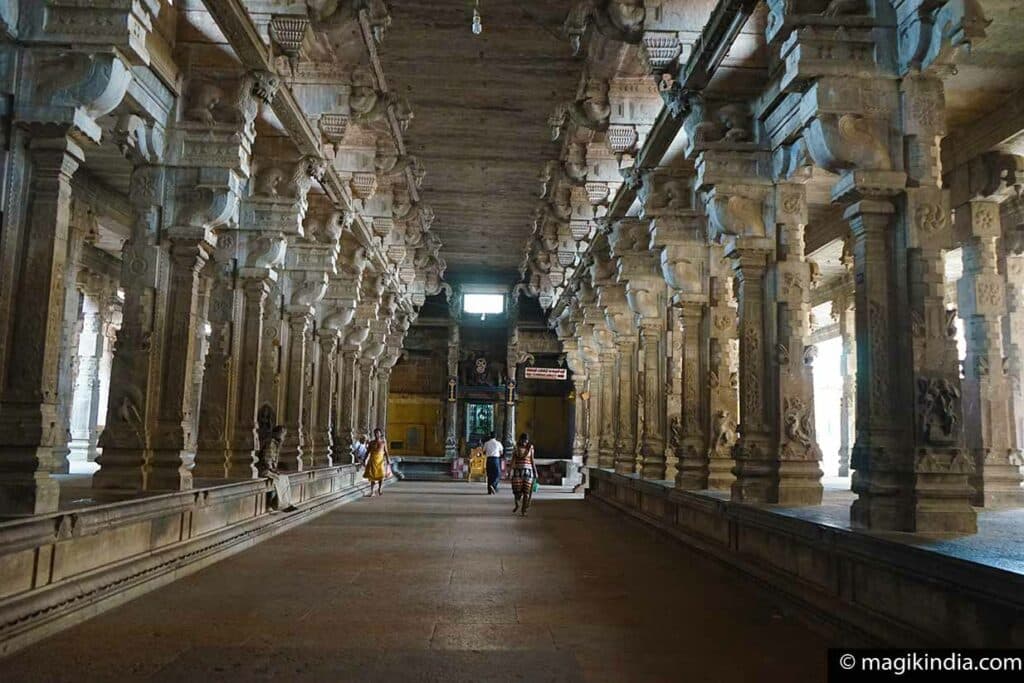
- The Pancha Bhootha Sthalams are five sacred Shiva temples in South India, each symbolizing one of the five fundamental elements of nature: Earth (Prithvi), Water (Apu), Fire (Agni), Air (Vayu), and Space (Akasa).
Temples and Their Significance:
Ekambareswarar Temple, Kanchipuram (Earth - Prithvi):
- Represents the Earth element.
- Associated with a legend where Goddess Parvati created a Shiva Lingam from sand.
- Recognized as one of India's seven sacred sites of liberation.
Jambukeswarar Temple, Thiruvanaikaval (Water - Apu):
- Represents the Water element.
- The Lingam is perpetually surrounded by water.
- Key legend involves an elephant and a spider adorning unique forms of worship to Shiva.
Annamalaiyar Temple, Thiruvannamalai (Fire - Agni):
- Represents the Fire element.
- Associated with Lord Shiva manifested as a pillar of fire.
- Believed that worship here can erase accumulated karma, symbolizing purification.
Srikalahasteeswara Temple, Andhra Pradesh (Air - Vayu):
- Represents the Air element.
- Name derives from legends of a spider, serpent, and elephant achieving moksha here.
- Unique feature: a constantly flickering lamp in the sanctum symbolizes the presence of the Vayu Lingam.
Natarajar Temple, Chidambaram (Space - Akasa):
- Represents the Space element.
- Lord Shiva is worshipped through the cosmic dance, Ananda Tandava.
- The "Chidambara Rahasyam" conveys the formless nature of the divine and the vastness of space.
Cultural and Historical Importance:
- The temples foster a deep connection between the divine and the natural world.
- Serve as guiding sites for spiritual understanding and liberation, indicating the integral role of these elements in Hindu philosophy.
Religious Practices:
- Each temple is associated with distinct legends and rituals that connect to its elemental significance, influencing various forms of worship and spiritual practices among devotees.
Geographical Relevance:
- These temples are spread across Tamil Nadu and Andhra Pradesh, showing the cultural richness of these regions in the worship of Shiva and their historical significance in spirituality.
Conclusion:
- The Pancha Bhootha Sthalams represent not just religious beliefs but also signify the philosophical underpinnings of nature's elements in Hindu spirituality, contributing to India's cultural and historical diversity.
These notes capture essential facts and insights relevant to the study of Indian culture, temple architecture, and spirituality.
Key Terms & Concepts
| Pancha Bhootha Sthalams | Sacred temples representing elements |
| Ekambareswarar Temple | Represents Earth element |
| Jambukeswarar Temple | Represents Water element |
| Annamalaiyar Temple | Represents Fire element |
| Srikalahasteeswara Temple | Represents Air element |
| Natarajar Temple | Represents Space element |
| Prithvi | Earth element |
| Apu | Water element |
| Agni | Fire element |
| Vayu | Air element |
| Akasa | Space element |