iAspirants
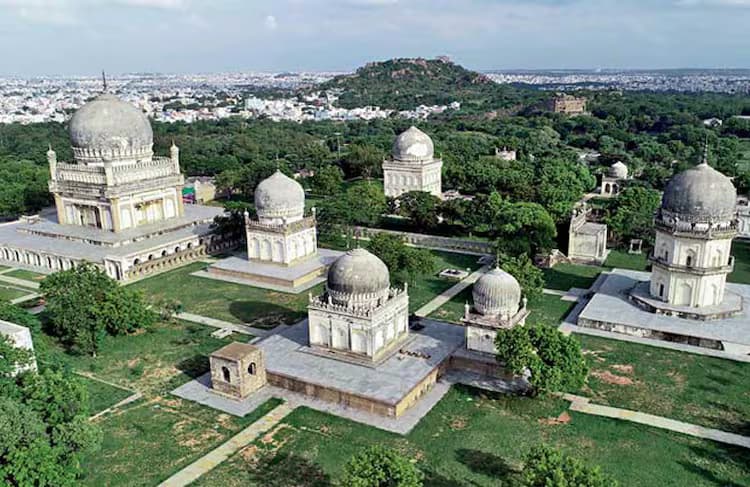
Understanding Qutb Shahi Cultural Legacy
Published on:
Share this post
Article Summary
Cultural Identity and Historical Significance: The Qutb Shahi dynasty played a vital role in shaping a syncretic identity in the Deccan region, blending diverse cultural, philosophical, and social influences.
Legacy Beyond Monuments: The contributions of the Qutb Shahis extend beyond their architectural accomplishments (e.g., Charminar) to include manuscript collections and paintings, which are considered visible markers of their legacy.
Research Focus: Historian Salma A. Farooqui's discourse highlights the importance of engaging with the ideological and cultural currents of the era to understand the full extent of the Qutb Shahi influence on the Deccan.
Cultural Transformation: The lecture emphasized philosophical and social processes as key drivers of the cultural transformation during the Qutb Shahi period, suggesting an intricate tapestry of interactions that defined the identity of the region.
Educational Context: The discussion took place at the Salar Jung Museum in Hyderabad, indicating the role of museums in promoting historical education and awareness about significant cultural heritages.
Key Terms & Concepts
| Charminar | Historical monument of significance |
| Salar Jung Museum | Location of the lecture |
| Qutb Shahi era | Historical period of study |
| Deccan | Region of cultural identity |
| syncretic Deccani identity | Cultural transformation concept |