iAspirants
UNESCO Concern Over Golestan Palace Damage
Published on:
Share this post
Article Summary
UNESCO Concerns: The Golestan Palace in Iran has suffered damage due to an airstrike nearby, as reported by UNESCO. The damage was caused by debris and shockwaves from the attack.
Cultural Heritage Protection: The Golestan Palace is protected under the 1954 Hague Convention for the Protection of Cultural Property in the Event of Armed Conflict, highlighting its status under international law.
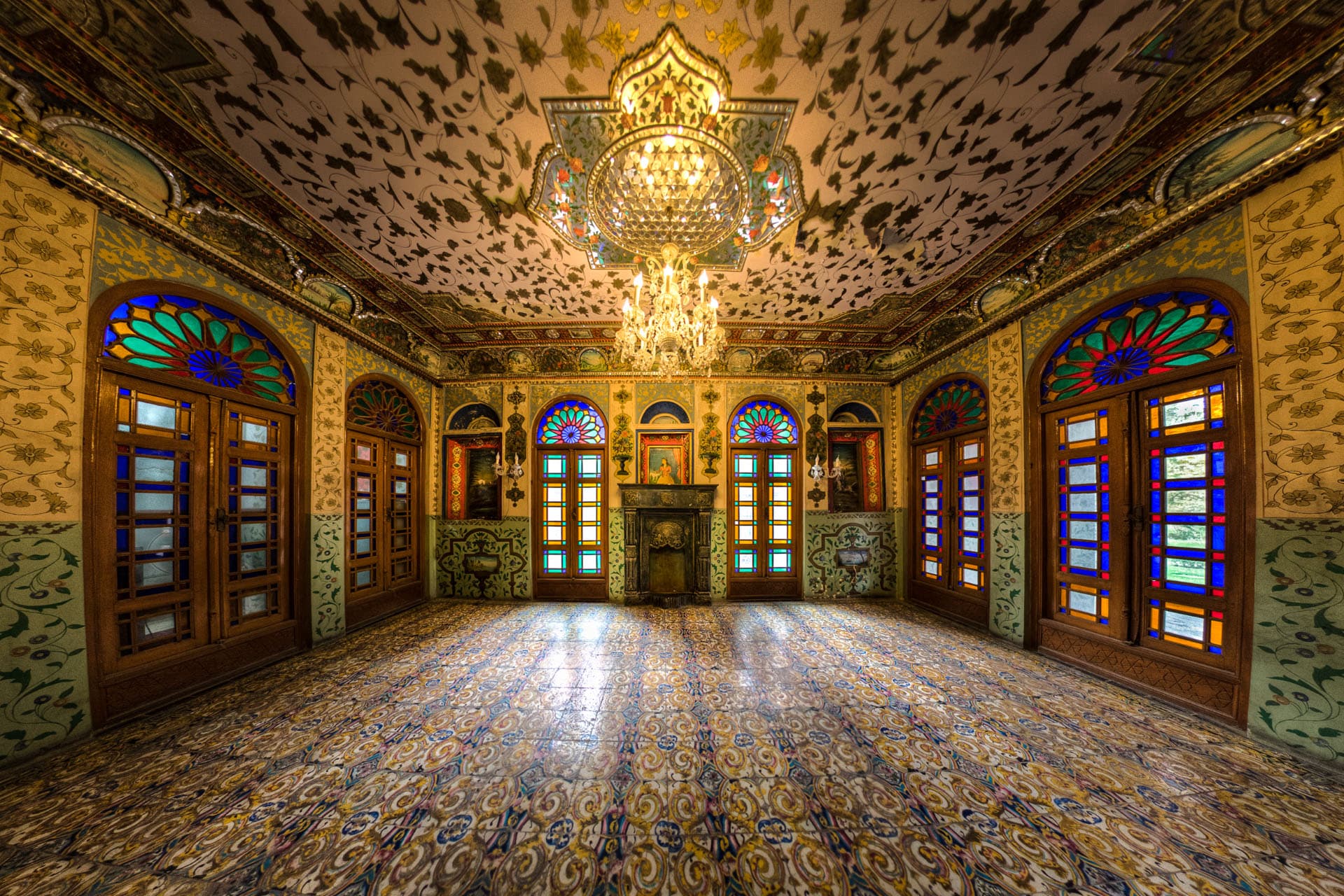
Historical Significance: The Golestan Palace, a UNESCO World Heritage Site, is known for its integration of Persian crafts and architecture with Western influences dating back to the Qajar era. It consists of eight main structures and is among the oldest in Tehran, originally built during the reign of Tahmasp I and renovated by Abbas the Great.
Architectural Features: The palace features a garden, pools, and rich ornamentation from the 19th century, showcasing a combination of traditional Persian arts and elements of 18th-century architecture.
Cultural Links with India: The Salam Hall within the palace temporarily housed the Peacock Throne, a historically significant artifact looted by Nader Shah from Delhi in 1739. The throne was a symbol of Mughal power, commissioned by Emperor Shah Jahan. Following Nader Shah's assassination in 1747, the throne was reportedly dismantled for its jewels, leading to its current loss.
International Coverage: Reports confirming the palace’s damage come from multiple Iranian and international media sources. Iranian officials, including the Cultural Heritage Minister Seyed Reza Salehi Amiri, are actively assessing the impact of the airstrike on this historic monument.
Objective: UNESCO continues to monitor and protect cultural heritage in the region amidst ongoing violence, emphasizing the importance of safeguarding such historical sites.
In summary, the ongoing conflict in the Middle East poses severe threats to cultural heritage sites like the Golestan Palace, prompting international concern and a reinforced commitment to cultural preservation under established legal frameworks.
Key Terms & Concepts
| Golestan Palace | Damaged UNESCO World Heritage Site |
| UNESCO | Monitoring cultural heritage situation |
| 1954 Hague Convention | Protects cultural property in conflict |
| Qajar era | Historical architectural period |
| Peacock Throne | Symbol of Mughal power |
| Tehran | Location of Golestan Palace |
| 1739 invasion | Persian invasion of Delhi |
| Nader Shah | Ruler of Iran during invasion |