iAspirants
UNESCO Heritage Tag for Sirpur
Published on:
Share this post
Article Summary
UNESCO World Heritage Nomination for Sirpur, Chhattisgarh
Background:
- Location: Sirpur, Mahasamund district, Chhattisgarh, situated about two hours from Raipur.
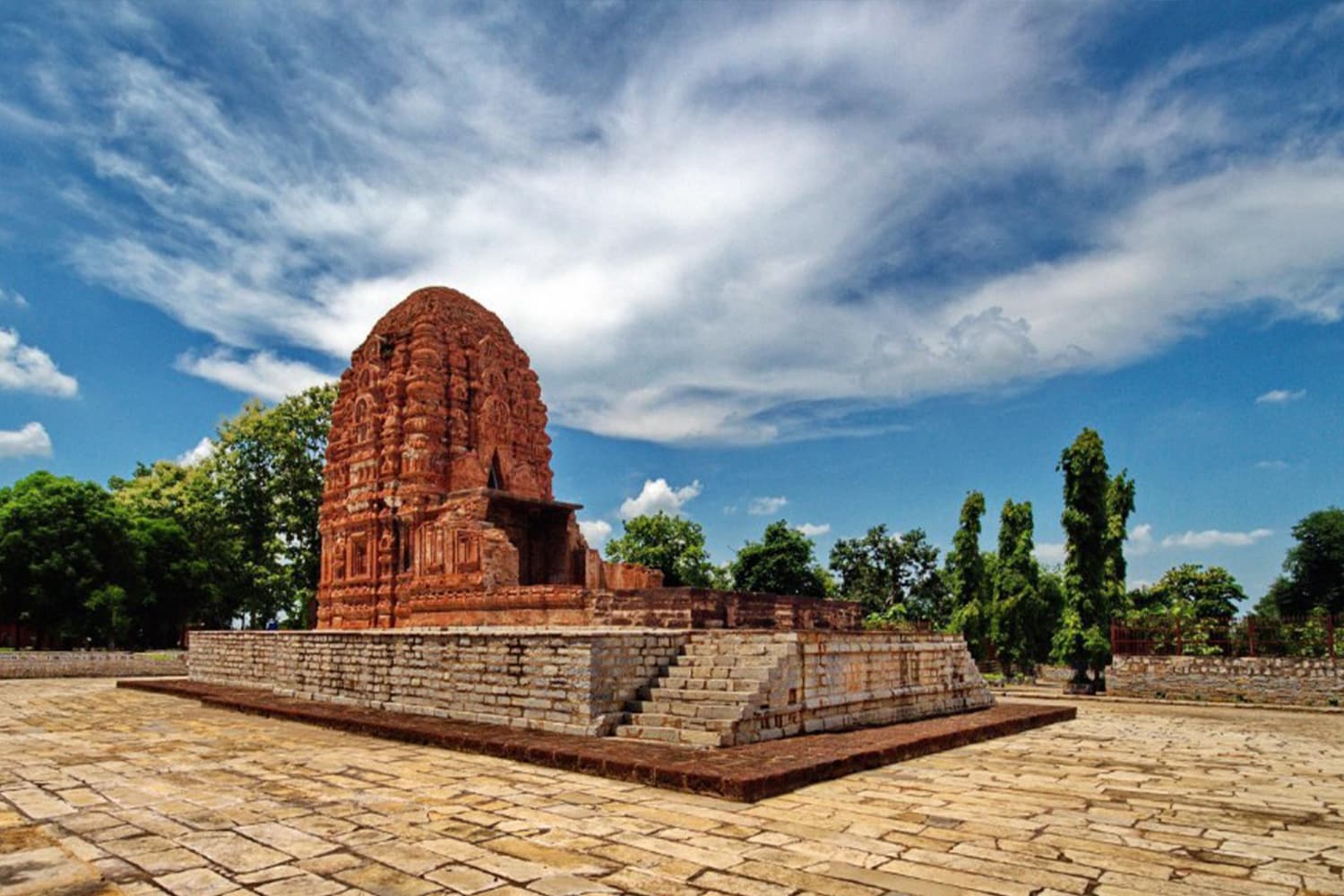
- Historical Significance: The site dates back to the 5th-12th Century and includes 34 Hindu, Jain, and Buddhist monuments on the banks of the Mahanadi River.
UNESCO Heritage Site Criteria:
- A UNESCO World Heritage Site is recognized for having "outstanding universal value," signifying cultural and natural significance that transcends national boundaries.
- A UNESCO tag can enhance international recognition, boost tourism, increase revenue, and mobilize funds for protection against destruction and encroachment.
Historical Discoveries:
- Discovered in 1882 by Alexander Cunningham (first Director-General of ASI).
- Major excavations resumed in the early 1950s, with significant findings occurring in the 1990s and 2003.
- Findings include:
- 22 Shiva temples
- 5 Vishnu temples
- 10 Buddhist viharas
- 3 Jain viharas
- A 6th Century market complex demonstrating Sirpur's role as a religious and commercial hub.
Features of Sirpur:
- Advanced early-medieval urban planning with complex housing and trade structures.
- Significant temples include the 7th Century Lakshmana Temple.
- Major Buddhist center with large viharas and meditation halls.
- Sacred riverine landscape aligning with UNESCO’s natural and humankind concept.
Government Initiatives:
- Proposed developments to enhance accessibility and tourism:
- Paving pathways to connect monuments, reducing travel time from three hours to two.
- Establishing thematic clusters: Buddhist Monastic, Hindu Temple, Civic-Administrative, and Riverine Sacred Landscape.
- Development of a comprehensive heritage pathway system to connect key sites.
Facilities and Visitor Experience Improvements:
A state-of-the-art Interpretation Centre featuring:
- Digital exhibits
- 3D reconstructions
- Immersive storytelling about Sirpur’s heritage.
Additional facilities:
- Rest areas, drinking water points, shaded shelters.
- Multilingual signage (English, Hindi, Chhattisgarhi).
- QR-code based digital panels for self-guided tours.
- Thematic markers and structured viewpoints.
Eco-tourism initiatives, including:
- Development of landscaped areas, gardens, and tree-lined avenues.
- Promotion of local arts, crafts, and cultural performances.
Events to engage the public:
- Annual celebration of World Heritage Week (November 19 to 25).
- Guided tours and archaeology awareness programs led by local youth and volunteers.
Land Requirements:
- The ASI has requested approximately 30 hectares of state land for cohesive management and heritage infrastructure, including buffer zones and improved access routes.
Conclusion: The efforts to secure UNESCO World Heritage status for Sirpur reflect not only its significant historical and cultural importance but also the Chhattisgarh government’s commitment to enhancing heritage conservation and boosting local tourism.
Key Terms & Concepts
| Sirpur | 5th Century archaeological site |
| Chhattisgarh | State seeking UNESCO tag |
| UNESCO World Heritage | Heritage status sought |
| Mahanadi | River near archaeological site |
| ASI (Archaeological Survey of India) | Conducted site inspection |
| SADA (Sirpur Special Area Development Authority) | Coordinating site development |
| Lakshmana Temple | Example of temple architecture |
| Tivaradeva Mahavihara | Monastery housing statue |
| Heritage pathways | Improving monument access |
| Interpretation Centre | Showcase cultural history |
| World Heritage Week | Annual celebration planned |