iAspirants
Unusual Winter Rainfall Patterns Reported
Published on:
Share this post
Article Summary
Summary of Key Facts and Developments in North India’s Weather Patterns
Meteorological Data
- Rainfall Deficits:
- Uttarakhand: Received no rainfall in December and January.
- Himachal Pradesh: Recorded its sixth-lowest rainfall in December since 1901.
- Jammu & Kashmir: Experienced minimal rain and snow in January.
- Overall Winter Precipitation in India: Less than 25% of expected rainfall during the first half of January; specifically, the northwest region received only 8% of expected rainfall.
Trends and Causes
- Dry Winter Concerns:
- Himalayan states are experiencing a trend of increasingly dry winters, with four occurrences in the last decade of low January precipitation in Uttarakhand.
- 2024-25 Winter: Experienced a rainfall deficiency of 96% in the northwestern region.
- Western Disturbances: Typically important for winter precipitation, eight disturbances crossed in December (above the normal of six) but delivered minimal rain due to lack of moisture and shallow low-pressure regions.
Implications
- Agricultural Impact: Rainfall and snow are crucial for recharging groundwater and supporting rabi crop cultivation. The declining winter precipitation threatens water security and agricultural productivity.
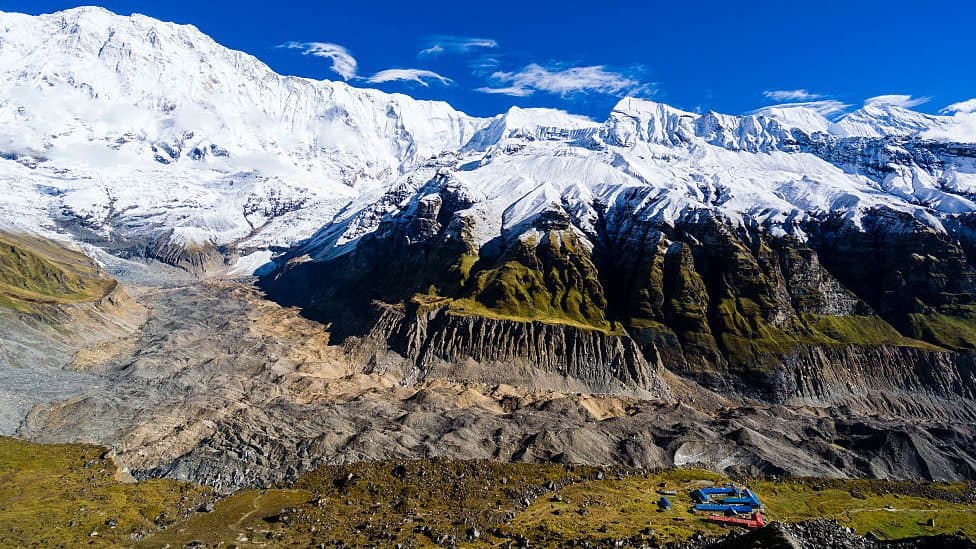
- Glacier and Climate Concerns: Reduced snowfall and snow persistence pose risks for Himalayan glaciers, potentially leading to increased glacial lake outburst floods due to early melting and shifting equilibrium line altitudes.
Forest Fires and Environmental Stress
- Forest Fire Incidents: As of November 1, over 1,600 fire alerts in Uttarakhand, 600 in Himachal Pradesh, and 300 in Jammu & Kashmir due to dry conditions and lack of moisture.
- Nanda Devi National Park: Fires noted in the Valley of Flowers area attributed to dry forest floors.
Upcoming Forecast
- A forecast for light to moderate rainfall is predicted from January 18-20 due to an approaching western disturbance, although overall rainfall activity is expected to be below normal, particularly outside of the western Himalayan region.
Scientific Insights
- Glacial Dynamics: Manish Mehta from the Wadia Institute of Himalayan Geology indicates possible early melting of glaciers, which could result in lower river discharge and increase the formation of dangerous glacial lakes.
These trends underscore a critical need for addressing climate variability impacts in the Himalayan ecosystem and implications for regional agricultural and ecological stability.
Key Terms & Concepts
| India Meteorological Department (IMD) | Monitors weather and rainfall data |
| Himalayan states | Region experiencing rainfall deficiency |
| Western disturbances | Weather phenomenon affecting precipitation |
| Nanda Devi National Park | Location of forest fires |
| 1,600 fire alerts | Recorded forest fires in Uttarakhand |
| 600 fire alerts | Recorded forest fires in Himachal Pradesh |
| 300 fire alerts | Recorded forest fires in Jammu and Kashmir |
| Rabi crops | Agricultural crops affected by precipitation |
| Glacial lake outburst floods | Potential risk due to glacier melt |
| 96 percent rainfall deficiency | Severe lack of rain in 2024-25 |
| Ten-year trend | Indicates increasing dry winters |
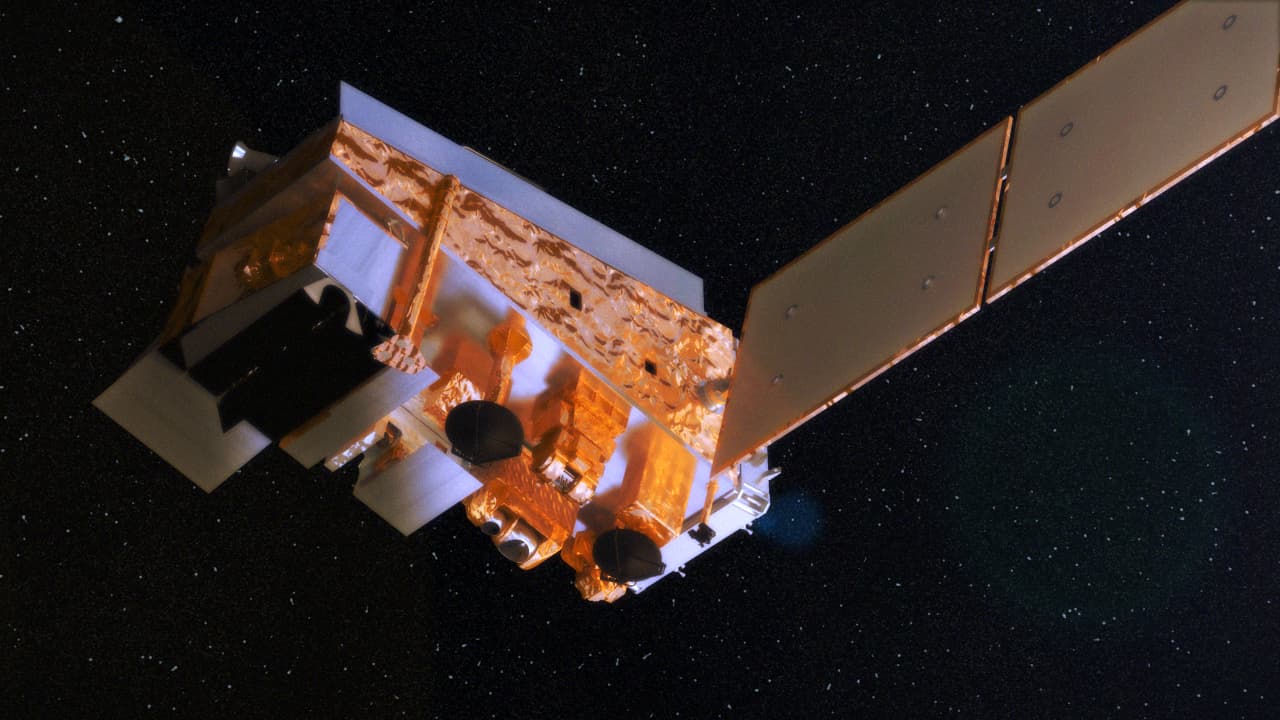
| SNPP satellite | Used for detecting fire alerts |