iAspirants
Current AffairsPrelims PYQsUPSC CSE SyllabusUPSC CSE StrategyBlogsPricing
Login
iAspirants

Your AI-powered companion for UPSC preparation.

Quick Links

  • Home
  • About Us
  • Current Affairs
  • Prelims PYQs
  • UPSC CSE Syllabus
  • UPSC CSE Strategy
  • Blogs

Company

  • Pricing
  • FAQs
  • Contact Us
  • Login

Legal

  • Privacy Policy
  • Terms & Conditions
  • Return Policy

© 2025 iAspirants, Inc. All rights reserved.

  1. Blogs
  2. International Relations

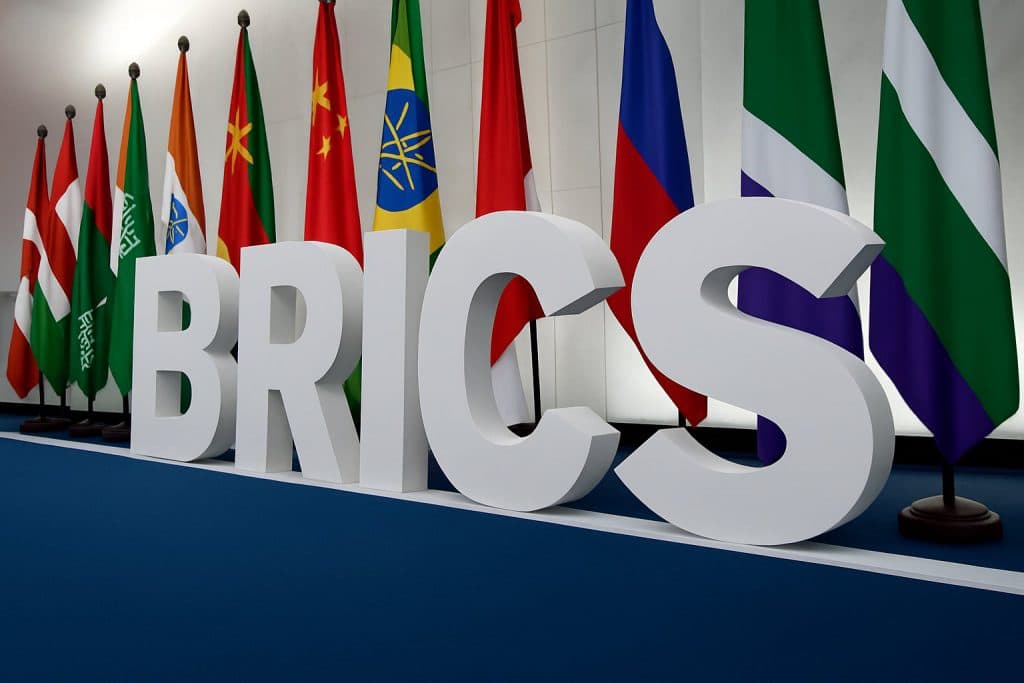
Upcoming 18th BRICS Summit Insights

Published on: 07-Sep-2026

Share this post

Upcoming 18th BRICS Summit Insights

Article Summary

Summary of the 18th BRICS Summit Highlights

Dates and Location

  • Event: 18th BRICS Summit
  • Dates: September 12-13, 2026
  • Location: New Delhi, India

Key Themes and Principles

  • Chinese Support: China expresses full support for India's BRICS presidency.
  • ** BRICS Vision**: Emphasis on multipolarity, economic globalization, and the Global South's collective rise.
  • UN Charter Allegiance: BRICS should uphold the principles of the UN Charter, including sovereign equality and non-interference.

Key Areas of Cooperation

  1. Openness in Global Economy:

    • Protectionism Concerns: Acknowledgment of rising protectionism disrupting international trade and supply chains.
    • WTO Principles: Commitment to the multilateral trading system with the WTO at its core.
    • Energy and Infrastructure Cooperation: Importance of collaboration in energy, minerals, and industrial supply chains.
  2. Win-Win Development:

    • UN Sustainable Development Goals: Focus on accelerating implementation and formulating the post-2030 global development agenda.
    • Mutual Benefit Agreements: Stronger coordination on macroeconomic policies and promotion of local currency cooperation.
  3. Economic Synergy:

    • Statistical Insights: BRICS accounts for nearly 50% of the world population, 30% of global economic output, and 20% of global trade.
    • Future Growth: Forecasted growth of greater BRICS expected to be three times faster than G-7 by 2028.
  4. Technological Advancements:

    • AI Integration: Promotion of AI integration across sectors like agriculture, health, and education.
    • Research Centers: Establishment of the China-BRICS AI Development Center and Quality Productive Forces Research Center.
  5. Shared Responsibilities:

    • Peace and Cooperation: Emphasis on BRICS as a force for fairness and justice in international relations.
    • Enhancing China-India Relations: Noted improvement in bilateral relations, including restored trade routes and travel links.

Economic Indicators

  • Growth Statistics: Greater BRICS growth projected to triple that of G-7 by 2028, highlighting significant roles in global economic dynamics.

International Relations

  • China-India Coordination: Importance of sound coordination between India and China during consecutive presidencies for enhancing BRICS cooperation.
  • COVID-19 Resilience: Resumption of flight routes and border trade after prior suspensions, reflecting enhanced connectivity and economic ties.

Strategic Insights

  • China's Global Initiatives: Four global initiatives proposed by China for addressing human challenges and promoting collective development.

Conclusion

  • The 18th BRICS Summit aims to cement greater cooperation among member countries while promoting a stable global environment characterized by unity, openness, and shared growth opportunities.

Key Terms & Concepts

18th BRICS SummitInternational meeting in New Delhi
ChinaSupports India's BRICS presidency
United Nations CharterGuidelines for international relations
Global SouthEmerging economies cooperation
WTOCore multilateral trading system
UN Sustainable Development GoalsFramework for global development
International Monetary FundHighlights BRICS economic growth
AI Development and Cooperation CenterSupports AI research collaboration
Sept 12-13, 2026Dates for the BRICS Summit
Five flight routesReopened trade connections
Border tradeRenewed after six-year suspension

Mind Map for UPSC Civil Services Revision

Turn UPSC Civil Services Current Affairs Into Exam-Ready Notes

Reading International Relations current affairs is half the work. Revise them with ready-made notes and test what actually stuck.

  • Daily UPSC Civil Services current affairs analysis
  • Revision notes, mind maps & MCQs
  • Prelims mock tests with instant results

Related UPSC Civil Services Current Affairs Articles

SCO Summit Highlights and Developments
International Relations06-Sep-2026

SCO Summit Highlights and Developments

Exam-Focused Notes

Event: 26th Shanghai Cooperation Organisation (SCO) Summit
Location: Bishkek, Kyrgyz Republic
Dates: August 31 - September 1, 2026

Key Participants:

  • Prime Minister Narendra Modi (India)
  • President Vladimir Putin (Russia)
  • President Xi Jinping (China)
  • President Masoud Pezeshkian (Iran)
  • Leaders from other SCO member states
  • Background:

    • SCO was established on June 15, 2001, with founding members China, Russia, Kazakhstan, Kyrgyz Republic, and Tajikistan.
    • India and Pakistan joined the SCO in 2017.

    Major Outcomes:

    1. Bishkek Declaration:

      • Condemnation of Military Strikes: Expressed “deep concern” over military strikes on Iran, condemned the U.S. and Israel, and reaffirmed support for Iran's sovereignty.
      • Right to Nuclear Development: Advocated for the "inalienable right" of member countries to develop atomic energy for peaceful purposes.
      • Palestine Issue: Emphasized that stability in West Asia relies on a just settlement of the Palestine issue.
      • Critique of Missile Defense Systems: Criticized the unilateral build-up of global missile defense systems.
      • Unauthorized Internet Services: Mentioned that unauthorized satellite Internet services violated international law.
    2. India’s Position:

      • Modi highlighted "no double standards" on terrorism and emphasized connectivity while respecting sovereignty.
      • Called for an inclusive government formation in Afghanistan.
      • Noteworthy absence of endorsement for the China-Pakistan Economic Corridor (CPEC) despite other members’ support for the Belt and Road Initiative (BRI).
    3. Security and Political Context:

      • Recognized a troika of challenges: terrorism, separatism, and extremism.
      • The summit addressed broader geopolitical issues, including the Ukraine war, without direct condemnation of Russia.
    4. Future Engagements:

      • Pakistan will assume the SCO chairmanship for the next summit.
      • Modi's possible attendance remains uncertain due to escalating tensions, highlighted by prior incidents such as the Pahalgam terror attack and India placing the Indus Waters Treaty 'in abeyance'.
    5. SCO Structure and Functionality:

      • Comprises 29 charter bodies, facilitating regular meetings on various concerns among member states.
      • Provides a platform for member countries, including India and Pakistan, to engage in dialogue, which is critical for regional stability.
    6. Economic Considerations:

      • Leaders suggested an increased preference for local currencies in trade, challenging the existing U.S.-led dollar system.
      • Announcement of the establishment of the SCO Development Bank.
    7. Diplomatic Engagements:

      • India’s use of SCO for advancing diplomatic objectives is noted, with historical context around meetings such as 2024 Kazan Summit and 2025 Tianjin Summit focusing on India-China relations.

    Implications:

    • The outcomes of this summit signify SCO's role in addressing regional tensions and conflicts, promoting stability, and facilitating economic and strategic cooperation among its members.
    • The evolving dynamics reflect the influence of geopolitical axis realignments and the potential for future cooperation or conflict.

    Conclusion:

    The 26th SCO summit marks a significant diplomatic gathering addressing pressing international issues of security, economic collaboration, and regional governance amidst geopolitical tensions, especially concerning Iran and Afghanistan. As the organization adapts, its ability to mediate disputes and foster economic ties will be pivotal for its members.

    India's Diplomatic Efforts in Ukraine
    International Relations05-Sep-2026

    India's Diplomatic Efforts in Ukraine

    Summary of Key Points from the Article

    International Relations:

    • India's Role in Ukraine-Russia Conflict: External Affairs Minister S. Jaishankar emphasized India's continuous dialogue with both Ukrainian and Russian governments to find ways to mitigate or cease ongoing conflicts, now in its fifth year.

    Statements from Leaders:

    • Meetings and Discussions: Jaishankar met Ukrainian President Volodymyr Zelenskyy and top officials in Kyiv, expressing India's readiness to aid in resolving the war.
    • Zelenskyy's Acknowledgment: Zelenskyy appreciated India's commitment to ending the conflict, highlighting the need for peace.

    Key Themes:

    • Global Challenges: Jaishankar discussed global issues such as supply chain resilience and the security of food, fuel, and fertilizers with Polish officials, indicating collaboration on these fronts.
    • India's Position: Jaishankar reiterated that "endless war must give way to an end to war," stressing the tragedy of prolonging conflict. This aligns with Prime Minister Modi’s public stance on the necessity for dialogue.

    Diplomatic Efforts:

    • Promotion of Diplomacy: India is advocating for dialogue and diplomacy as the only viable solution to the conflict, rather than focusing solely on trade dynamics, such as oil purchases from Russia.

    Strategic Insights:

    • War Impact: Jaishankar stated that protracted war leads to increased death, destruction, and economic burden, not just for the parties involved but also for the global community.

    Notable Points for Exam Preparation:

    • Diplomatic Engagement: Understand India's roles and efforts in international diplomacy, particularly in conflict-resolution scenarios.
    • Geopolitical Implications: Recognize how the Ukraine-Russia war affects global supply chains and international relations.
    • Peace Advocacy: Reflect on India’s strategic vision towards peace and conflict resolution, led by its high-ranking officials.

    Conclusion: India's diplomatic strategy is focused on promoting peace and dialogue to resolve the Ukraine-Russia conflict, underscoring its position as a significant player in international affairs. The importance of continuing conversation and negotiation over military engagements is a central theme of India's foreign policy approach.

    India's Evolving Relations with West Asia
    International Relations05-Sep-2026

    India's Evolving Relations with West Asia

    Summary of India-West Asia Relations

    Strategic Approach:

    • Historically, India maintained a stance of deliberate ambiguity in its West Asia relations, emphasizing balance and non-alignment among key players—Saudi Arabia, Iran, Israel, and the UAE.
    • This approach, now termed "multi-alignment," allowed India to manage its foreign policy without committing to security obligations with any specific nation, fostering economic and diplomatic ties across the region.

    Economic Significance:

    • West Asia is a critical economic partner for India, serving as a source of crude oil and offering significant remittance inflows from the Indian diaspora working in the region.
    • The region is projected to experience an economic renaissance, bolstered by its rich natural resources (oil and gas) and a favorable demographic profile that requires a large influx of labor, which India can supply.

    Geopolitical Dynamics:

    • India's foreign policy is influenced by the perception of a shifting global economic landscape, where the center of gravity is moving from the West to Asia, enhancing West Asia’s role as a strategic connector.
  • The region is viewed as a vital bridge — both maritime and terrestrial — linking the declining economies of the West with the rising economies of the East.
  • Constitutional and Policy Framework:

    • While specific constitutional references were not detailed in the provided text, India’s foreign policy is guided by its commitment to promoting its economic interests and ensuring the welfare of its citizens overseas.
    • Policies fostering labor migration and economic ties with West Asian countries suggest an alignment with the Directive Principles of State Policy (DPSP) under Article 39(e) and (f) of the Indian Constitution, advocating for the protection of workers' rights and safeguarding their interests.

    Energy Security:

    • India’s energy strategy is intricately linked with West Asia's oil and gas reserves, which play a crucial role in its energy security and broader economic development.

    Future Outlook:

    • As India seeks to capitalize on the "highly dynamic" economic opportunities in the region, the interplay between regional powers will continue to shape India's foreign policy and economic partnerships in West Asia, necessitating a careful balance of relations.

    This overview underscores the multifaceted nature of India's engagement with West Asia, highlighting economic, geopolitical, and strategic dimensions central to its national interests.