iAspirants
Urgent Need for Clean Energy Transition
Published on:
Share this post
Article Summary
Key Points and Summarized Notes on Climate Change and Energy Transition
1. Geopolitical Context
- Current energy crisis highlighted by ongoing conflict in the Middle East.
- The International Energy Agency termed the crisis as "the greatest global energy security threat in history."
- The conflict constricts oil and gas supplies, leading to skyrocketing prices, which in turn creates inflation affecting households and businesses globally.
- Asia is significantly impacted, importing 40% of its oil through the Strait of Hormuz.
2. Impacts of Fossil Fuel Dependency
- Vulnerability of countries increases due to dependence on fossil fuels, jeopardizing food security and economic stability.
- The World Food Programme warns of a possible surge in global hunger to record levels due to the crisis.
- Reliance on fossil fuels exacerbates climate change, leading to severe weather events (e.g., flash floods in India and Nepal in 2025).
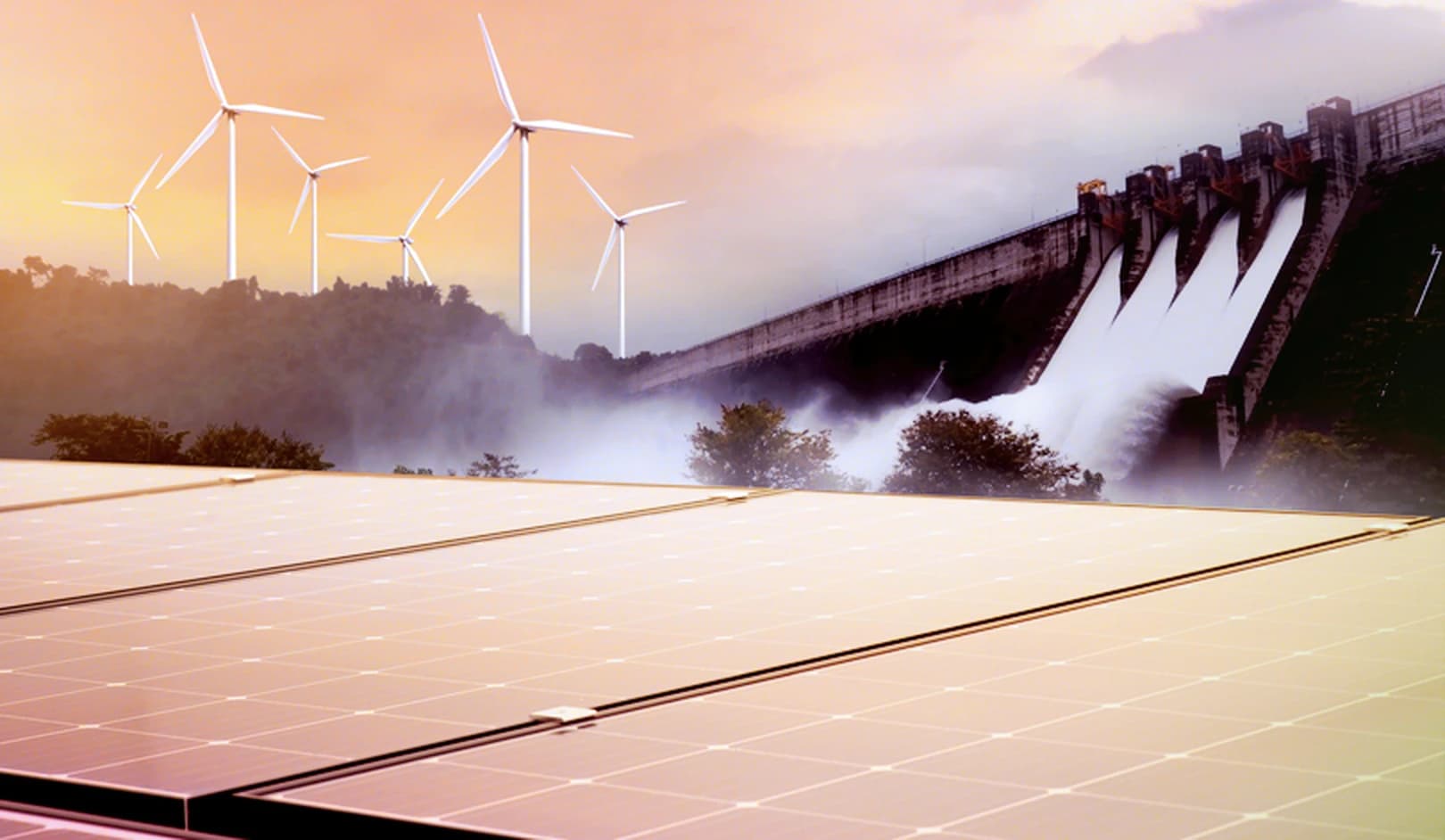
3. Renewable Energy Transition
- Argument for accelerating the transition to renewable energy and clean technologies.
- Benefits of renewable energy: reducing dependence on volatile fossil fuels, mitigating climate impacts, creating jobs, and lowering pollution and health risks.
- Renewable energy sources like wind and solar are becoming the cheapest energy options.
- Global financial investment in clean energy reached over $2 trillion in the past year, outpacing fossil fuel investments.
4. Economic Implications
- Trillions of dollars in global subsidies are still directed toward fossil fuels.
- Economic rationale supporting clean energy transition as a means to insulate economies from geopolitical shocks.
- Climate-related disasters are significant inflation drivers, emphasizing the need for sustainable energy solutions.
5. International Cooperation and Agreements
- COP30 in Brazil saw commitments of $1 trillion towards grids and storage for modern clean energy systems.
- Upcoming COP31 in Türkiye aims to advance further climate cooperation.
- Call for richer nations and financial institutions to facilitate affordable financing for developing countries to meet climate commitments.
6. Constitutional/Policy References
- Implicit reference to global climate commitments and agreements in international policy frameworks.
- Emphasis on just transitions for communities and economies that have depended on fossil fuels.
7. Judicial and Regulatory Approach
- Establishment of frameworks for a just transition which requires judicial oversight and governance to ensure that communities reliant on fossil fuels are supported and transitioned effectively.
Conclusions
The synthesis between climate action and energy independence emphasizes that a strategic shift to renewable energy is paramount in addressing not only the historical reliance on fossil fuels but also the urgent need to combat climate change and provide economic stability. International cooperation and financial strategies are pivotal for enabling this transition, particularly for vulnerable nations.
Key Terms & Concepts
| UN Climate Change | International climate governance body |
| International Energy Agency | Assessed global energy security threat |
| World Food Programme | Predicted global hunger increase |
| Strait of Hormuz | Key oil import route for Asia |
| 2025 | Year of severe flash floods in India |
| $2 trillion | Investment in clean energy last year |
| COP30 | Major climate finance commitment |
| $1 trillion | Investment committed to grids/storage |
| COP31 | Upcoming climate conference in Türkiye |