iAspirants
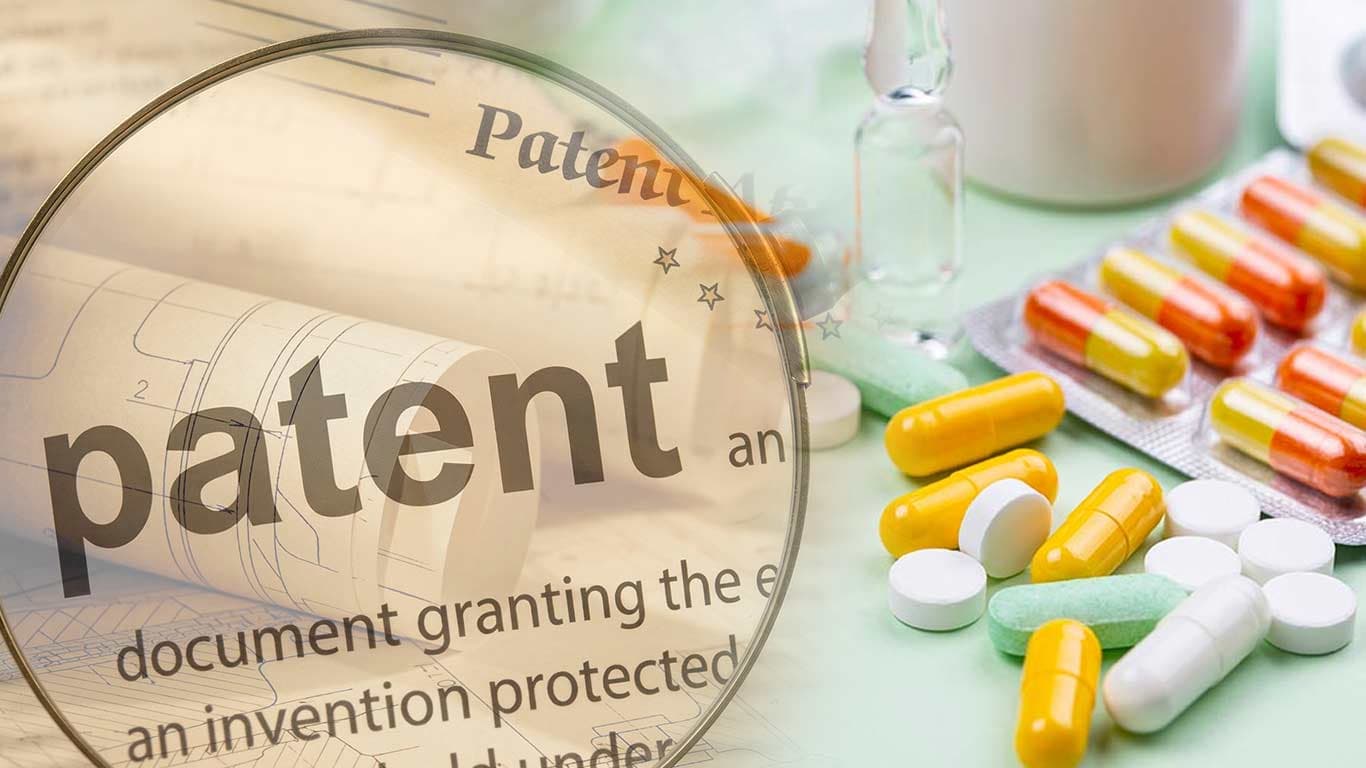
US Imposes Tariff on Patented Drugs
Published on:
Share this post
Article Summary
Summary of Key Facts and Figures
International Trade and Tariffs
- U.S. Tariffs Announcement: The U.S. has imposed a 100% tariff on imports of patented pharmaceuticals and associated ingredients, effective July 31, 2026.
- Justification: The rationale is the heavy reliance on imports which threatens access to life-saving medications during global supply chain disruptions.
- Impact on India: India exports around 40% of its pharmaceutical products to the U.S., primarily in the generic segment.
Economic Data
- Pharmaceutical Exports: In 2025, India exported $9.7 billion worth of pharmaceuticals to the U.S., representing 38% of its global pharmaceutical exports totaling $25.8 billion.
- Significance: The U.S. is India's largest market for pharmaceuticals, but around 90% of these exports are in generics, which are currently exempt from the new tariffs.
Government Schemes
- Production Linked Incentive (PLI) Scheme:
- Launched in 2021 to enhance India's capability in producing pharmaceuticals.
- Financial outlay: Rs 15,000 crore.
- Duration: From FY 2022-23 to FY 2027-28.
- Focus areas include biopharmaceuticals, complex generics, patented drugs nearing patent expiry, gene therapy, orphan drugs, and complex excipients.
Future Considerations
- Potential Future Impact: There is uncertainty regarding possible future extensions of tariffs to generic drugs, which could affect Indian firms involved in branded or specialty drug production.
- Strategic Importance: U.S. aims to use tariffs as leverage over pharmaceutical manufacturers to potentially lower prices domestically, promote local manufacturing, and tightly control critical pharmaceutical supply chains.
Key Players
- Sun Pharma: The only Indian company with large sales from patented products in the U.S. Reports indicated global sales of about $1,217 million from patented drugs in FY25, with 85-90% of those sales coming from the U.S. market.
Trade Impact Analysis
- Trade Experts' View: Experts believe tariffs could serve as tools for negotiation rather than revenue, suggesting a shift in the pharmaceutical industry's dynamics in favor of the U.S. regulatory framework.
Constitutional References
- No specific constitutional articles, amendments, or rights mentioned related to these economic policies or tariffs.
Conclusion
The upcoming U.S. tariffs on patented pharmaceuticals could reshuffle the global pharmaceutical industry landscape, impacting Indian exports largely dependent on generic products. The PLI scheme may mitigate some risks but remains subject to evolving international trade policies.
Key Terms & Concepts
| 100% tariff | Tax on patented drugs |
| July 31, 2026 | Tariff implementation date |
| India | Exporter of pharmaceuticals |
| 40% | US share of India’s exports |
| $1,217 million | Sun Pharma sales from patents |
| Production Linked Incentive Scheme (PLI) | Boosts pharmaceutical production |
| Rs 15,000 crore | Financial outlay of PLI |
| FY 2022-23 to FY 2027-28 | Production tenure for PLI |
| 2025 | Export year for pharmaceuticals |
| $9.7 billion | Pharma exports to US |
| 38% | Global share of exports |
| Semiconductors | Sector treated as strategic |