iAspirants
US-India Tariff Dispute and Trade Relations
Published on:
Share this post

Article Summary
Summary of U.S. Tariffs on Indian Exports and the India-U.S. Relationship
The recent decision by the United States to significantly increase tariffs on Indian exports, raising duties to 50% for a broad array of products, has sparked considerable concern in India. The economic implications of this decision are profound given the extensive trade relationship between the two countries.
Key Facts:
- Trade Impacts: In 2024, India exported goods valued at $87.3 billion to the U.S., making it India’s largest trading partner. Nearly $48–55 billion of this merchandise is now threatened by the new tariffs.
- Affected Sectors:
- Gems and Jewellery: Approximately $10 billion annually, with over a quarter of India's diamond and jewellery exports going to the U.S.
- Textiles and Apparel: About $8 billion in exports, with 70% of U.S.-bound textiles and garments caught under the new tariff regime.
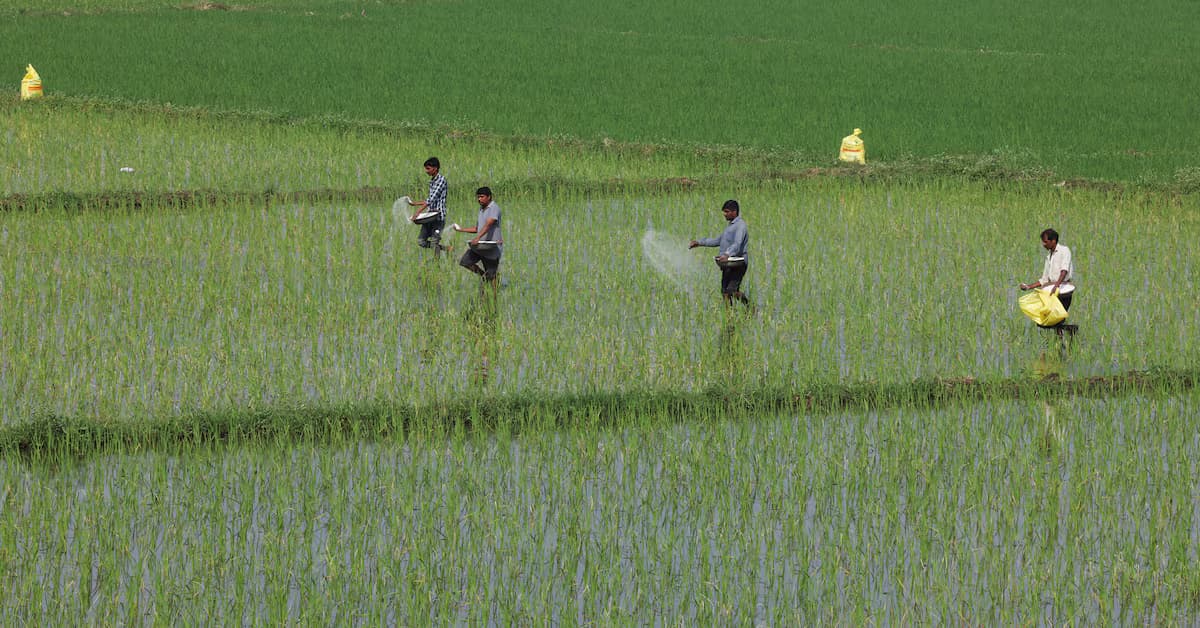
- Agriculture: Exports potentially worth $6 billion are at risk, particularly in rice, spices, seafood, and niche agricultural products.
- Leather and Footwear: Valued at $3 billion, these traditional export sectors may face increased competition from other low-cost providers.
Recent Trends:
- Before the implementation of tariffs, there was a surge in exports particularly in the gems and jewellery sector, which rose by 16% in July 2025, while lab-grown diamonds saw a 27.6% increase, indicating an adaptive response from exporters.
Resilient Sectors:
Despite the setbacks caused by tariffs, many sectors of the India-U.S. trade relationship remain robust:
- Pharmaceuticals: India supplies 40% of the U.S. generic drug market, valued at $50 billion.
- IT and Services: Contributing $387.5 billion in FY 2024-25, with significant exports to the U.S.
- Energy and Clean Technology: Ongoing partnerships in LNG imports and renewable energy.
- Aerospace and Defence: Continued collaboration in technology transfer and joint military exercises.
- Space Exploration: Cooperation between NASA and ISRO is ongoing, expanding the partnership into the realm of space.
People-to-People Ties:
The human connections between India and the U.S. form an unquantifiable yet critical backbone to the relationship:
- Indian Diaspora: Approximately 4.8 million Indians in the U.S. occupy influential positions across various sectors.
- Education: More than 200,000 Indian students studying in U.S. universities bolster economic and cultural ties.
- Cultural Exchange: The Indian-American community actively participates in U.S. politics and cultural celebrations.
Strategic Collaborations:
The U.S.-India relationship transcends trade disputes, encompassing several collaborative endeavors:
- Defence and Security: Engaging in joint military exercises and intelligence sharing.
- Healthcare: Cooperation extends into R&D and clinical trials in pharmaceuticals.
- Climate Initiatives: Joint efforts in renewable energy and sustainable practices help mitigate climate change.
Future Directions:
India's response to the tariffs necessitates a deliberative approach, including:
- Expanding markets in Africa, Latin America, and the Indo-Pacific.
- Innovating supply chains to enhance domestic resilience.
- Continued diplomatic engagement to navigate trade challenges.
The relationship between the U.S. and India has weathered various storms, including historical suspicions, sanctions, and trade disputes. Ultimately, the trust between the nations, reinforced through personal and strategic connections, signifies that tariffs will not define their destiny.
Important Points:
- U.S. tariffs raised to 50% on Indian exports stir economic concern.
- $48–55 billion of Indian exports directly at risk.
- Major sectors affected: gems, textiles, agriculture, and leather.
- Other sectors like pharmaceuticals, IT, and space remain strong.
- 4.8 million Indian diaspora in the U.S. enhances bilateral ties.
- Future actions suggested include diversifying markets and enhancing supply chain resilience.
This analysis underscores the complexity of the U.S.-India relationship, revealing both challenges and opportunities in the face of shifting trade dynamics.
Key Terms & Concepts
| U.S. | Imposing tariffs on India |
| India | Affected by trade tariffs |
| gems and jewellery | Major export sector affected |
| textiles and apparel | Significant export sector affected |
| agriculture | Export sector facing challenges |
| leather and footwear | Traditional export sector endangered |
| pharmaceuticals | Unaffected export sector |
| IT services | Robust export sector |
| energy and clean tech | Growing partnership area |
| aviation and aerospace | Partnership unaffected by tariffs |
| defence | Strengthening bilateral ties |
| NASA-ISRO | Collaboration in space exploration |
| Indian diaspora |