iAspirants
US Intervention in Venezuela Explained
Published on:
Share this post
Article Summary
Key Highlights from the Article on U.S. Intervention in Venezuela
Monroe Doctrine: Historical Context
- Originally declared by President James Monroe in 1823, it warned European powers against intervening in the Americas.
- The recent invocation by President Donald Trump represents a significant deviation from this doctrine's original intent.
U.S. Intervention in Venezuela: January 2026
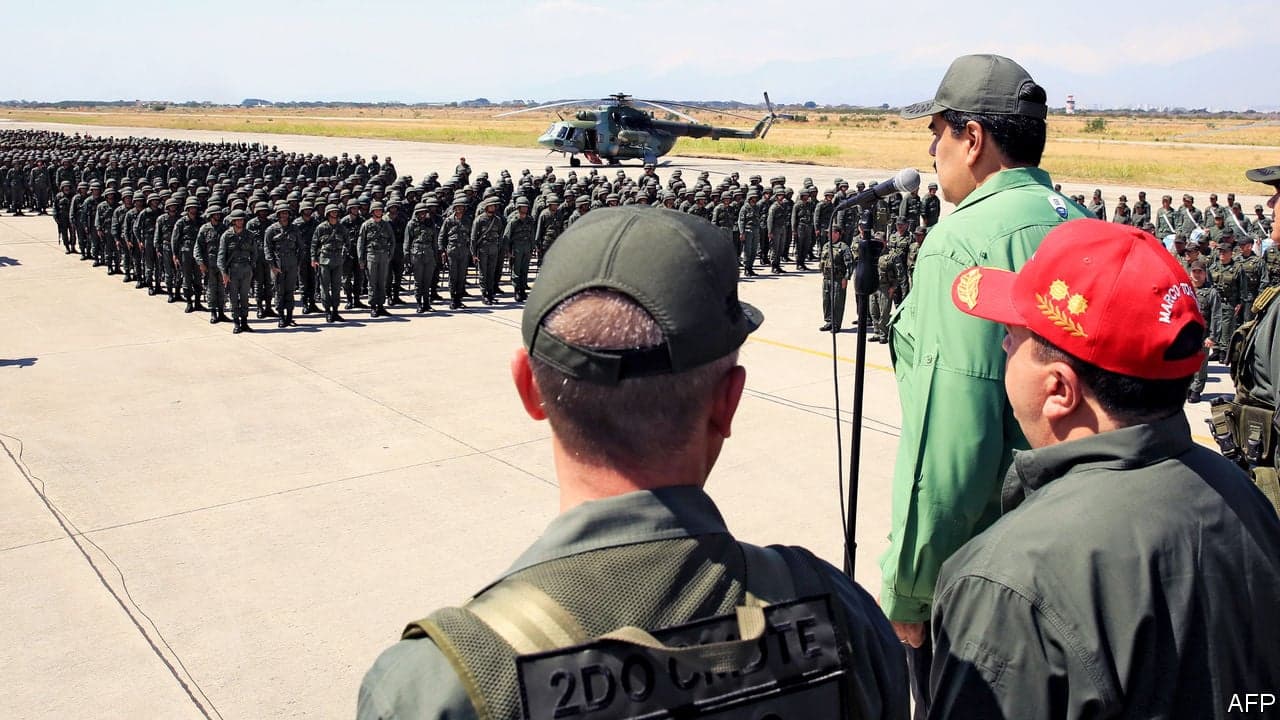
- Operation "Absolute Resolve" involved a U.S. military invasion to capture President Nicolás Maduro, who was accused of drug trafficking and authoritarianism.
- This operation parallels past military interventions in Panama (1989) and Iraq (2003), which aimed at regime change.
Implications of Venezuelan Oil Wealth
- Venezuela possesses the largest oil reserves globally and has been pivoting towards China for oil exports, arms, and foreign investments.
- Trump's comments indicate a strategic interest in Venezuela’s oil, suggesting that U.S. corporations may profit from Venezuelan oil production following the intervention.
Geopolitical Ramifications
- The operation showcases U.S. military superiority; however, it raises concerns over the resurgence of imperialistic policies and the potential undermining of national sovereignty.
- Countries like Russia and China may exploit the weakened international order, as the U.S. could prioritize its interests over diplomatic resolutions.
India’s Diplomatic Position
- India appeared reticent regarding the U.S. intervention, opting for a neutral stance in its statement on the matter, indicating its diminished voice on global issues.
- Relations with the U.S. could further complicate India's diplomatic strategies, especially concerning trade and geopolitical alliances.
Judicial Independence: Context on Maduro
- President Maduro's trial is framed within a controversial context, raising questions about the legality of U.S. intervention without substantial public evidence backing the allegations against him.
Historical Precedents and Patterns in U.S. Foreign Policy
- Trends suggest a recurring pattern of U.S. military involvement in foreign countries under various pretexts, leading to significant geopolitical changes and conflicts.
International Relations and Sovereignty Concerns
- The article warns of potential shifts in global power dynamics, with an emphasis on the risk of nations facing similar interventions under the guise of maintaining order, thus threatening international sovereignty.
Conclusion
The intervention in Venezuela under President Trump’s administration signals a shift in both U.S. foreign policy and the geopolitical landscape. It poses crucial questions regarding sovereignty, international law, and the potential for increased global tensions as other powers respond to perceived U.S. imperialism. Additionally, it highlights the challenges faced by nations like India in navigating a complex diplomatic environment.
Key Terms & Concepts
| Monroe Doctrine | U.S. foreign policy principle |
| Venezuela | Target of U.S. intervention |
| Nicolas Maduro | Elected President of Venezuela |
| Trump Administration | Initiated military operation |
| Operation Absolute Resolve | Military operation in Venezuela |
| U.S. Oil Companies | Expected to exploit Venezuelan oil |
| China | Venezuela's economic ally |
| Russia | Potential aspect of new imperialism |
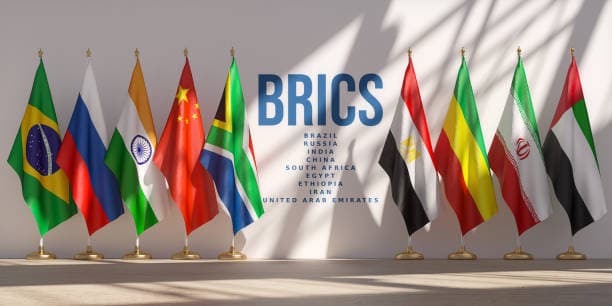
| BRICS | International grouping influencing dialogue |
| Oil Reserves | Venezuela's primary resource |
| January 2/3, 2026 | Date of military action |
| George Bush Sr. | Historical reference for military intervention |
| Afghanistan and Iraq |