iAspirants
US Withdrawal from International Organizations
Published on:
Share this post
Article Summary
Summary of Key Points on US Withdrawal from International Organizations
Constitutional and Legal Framework:
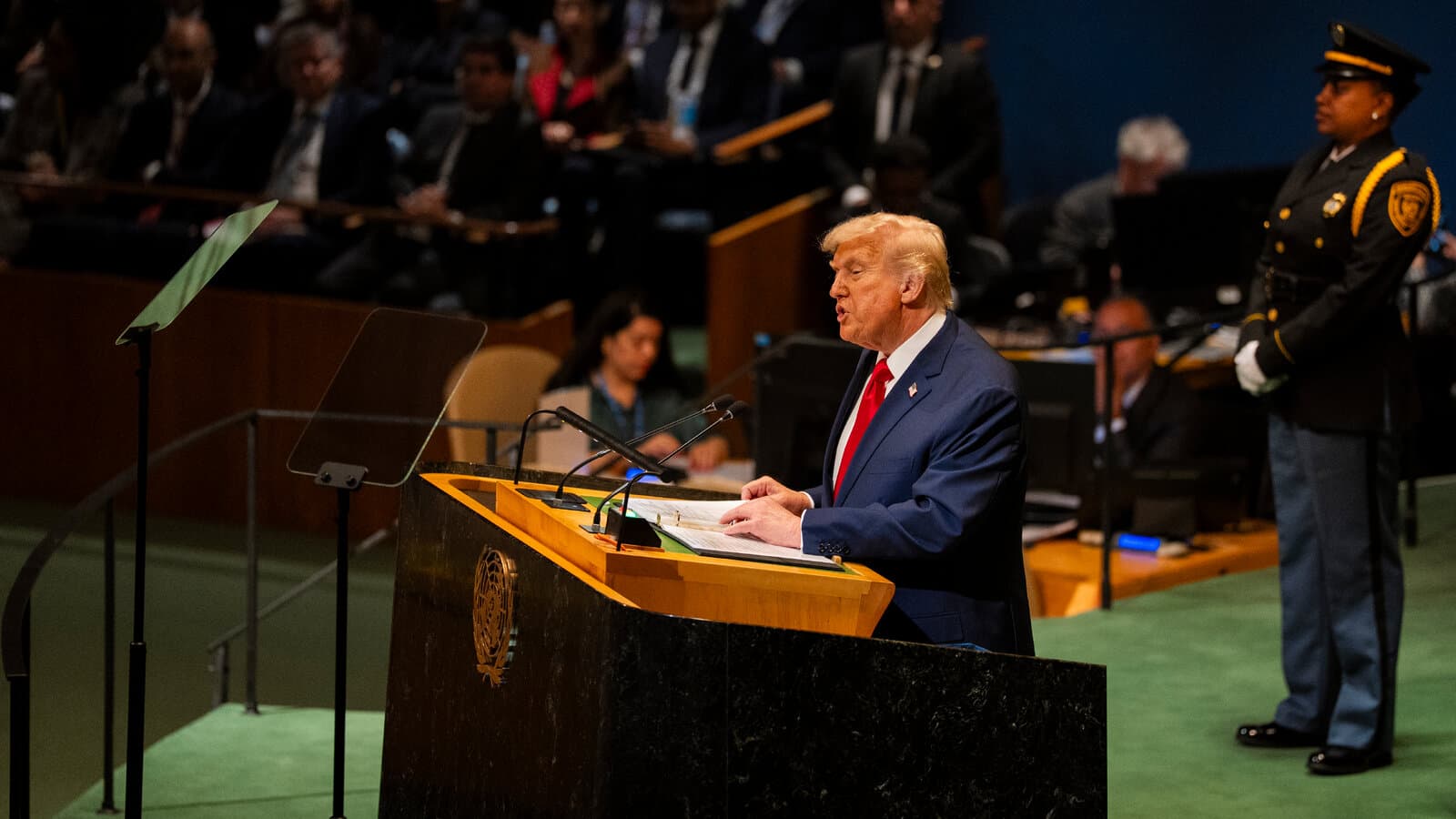
- Withdrawal Memorandum: Signed by President Donald Trump, titled ‘Withdrawing the United States from International Organisations, Conventions, and Treaties that Are Contrary to the Interests of the United States’.
- Impacts on International Agreements: The decision affects various international treaties and accords through legal withdrawal processes.
Major Affected Organizations:
World Health Organization (WHO):
- Withdrawal Date: Initiated on January 20, 2025; effective by January 22, 2026.
- Impacts: Significant funding cuts; US was the largest donor, affecting pandemic preparedness and health programmes in developing nations.
UNESCO:
- Formal Exit Notice: Issued in July 2025.
- Impacts: Financial gaps in global heritage and education initiatives; potential for China to fill leadership vacuum.
United Nations Human Rights Council (UNHRC):
- Withdrawal: Ordered in early 2025.
- Impacts: Reduced US influence on human rights discussions; ease for nations like China and Russia to ignore UNHRC mandates.
United Nations Relief and Works Agency for Palestine Refugees in the Near East (UNRWA):
- Funding Suspension: Initiated in February 2025.
- Impacts: Reduced humanitarian aid for Palestinians; India may increase its contributions amid diplomatic challenges.
Environmental Implications:
- Climate Agreements:
- Paris Agreement: US withdrawal occurred on Day 1 of Trump's second term.
- UN Framework Convention on Climate Change (UNFCCC): Withdrawal to slow global climate efforts and affect financing for climate initiatives in developing countries.
- Intergovernmental Panel on Climate Change (IPCC): US exit undermines climate science and collaboration, affecting data collection and research.
Economic and Human Rights Organizations:
OECD Global Tax Deal:
- Impact: Trump declared it void in the US, creating legal uncertainties for the agreement aimed at curb profit shifting by corporations.
Other Affected Bodies:
- UN Population Fund (UNFPA), UN Women, and UN Conference on Trade and Development (UNCTAD) will experience funding challenges.
International Relations Dynamics:
- China's Position: Expected to fill leadership gaps within multiple affected organizations.
- India's Role: Faces the necessity to engage with like-minded countries to safeguard interests within these international frameworks.
Conclusion:
The withdrawal from 66 international organizations highlights a significant shift in US foreign policy, impacting international cooperation on health, human rights, climate, and economic frameworks. This shift may have lasting implications for global governance and the roles of other countries, particularly China, in international leadership and cooperation.
Key Terms & Concepts
| International Solar Alliance | Adverse financial impact |
| World Health Organisation | Funding cuts impact healthcare |
| UNESCO | Funding gap for heritage programs |
| UN Human Rights Council | Reduced influence on human rights |
| UNRWA | Reduce humanitarian aid capacity |
| Paris Agreement | First treaty exited by US |
| UN Framework Convention on Climate Change | Withdrawal impacts climate action |
| Intergovernmental Panel on Climate Change | Undermines climate science consensus |
| OECD Global Tax Deal | Legal uncertainty on tax framework |
| UN Population Fund | Focus on reproductive health |
| International Law Commission | Rules-based order promotion |
| Economic Commission for Africa | Regional development body |