iAspirants
US Withdrawal from Multiple International Organizations
Published on:
Share this post
Article Summary
Summary of Key Points:
U.S. Withdrawal from International Organizations:
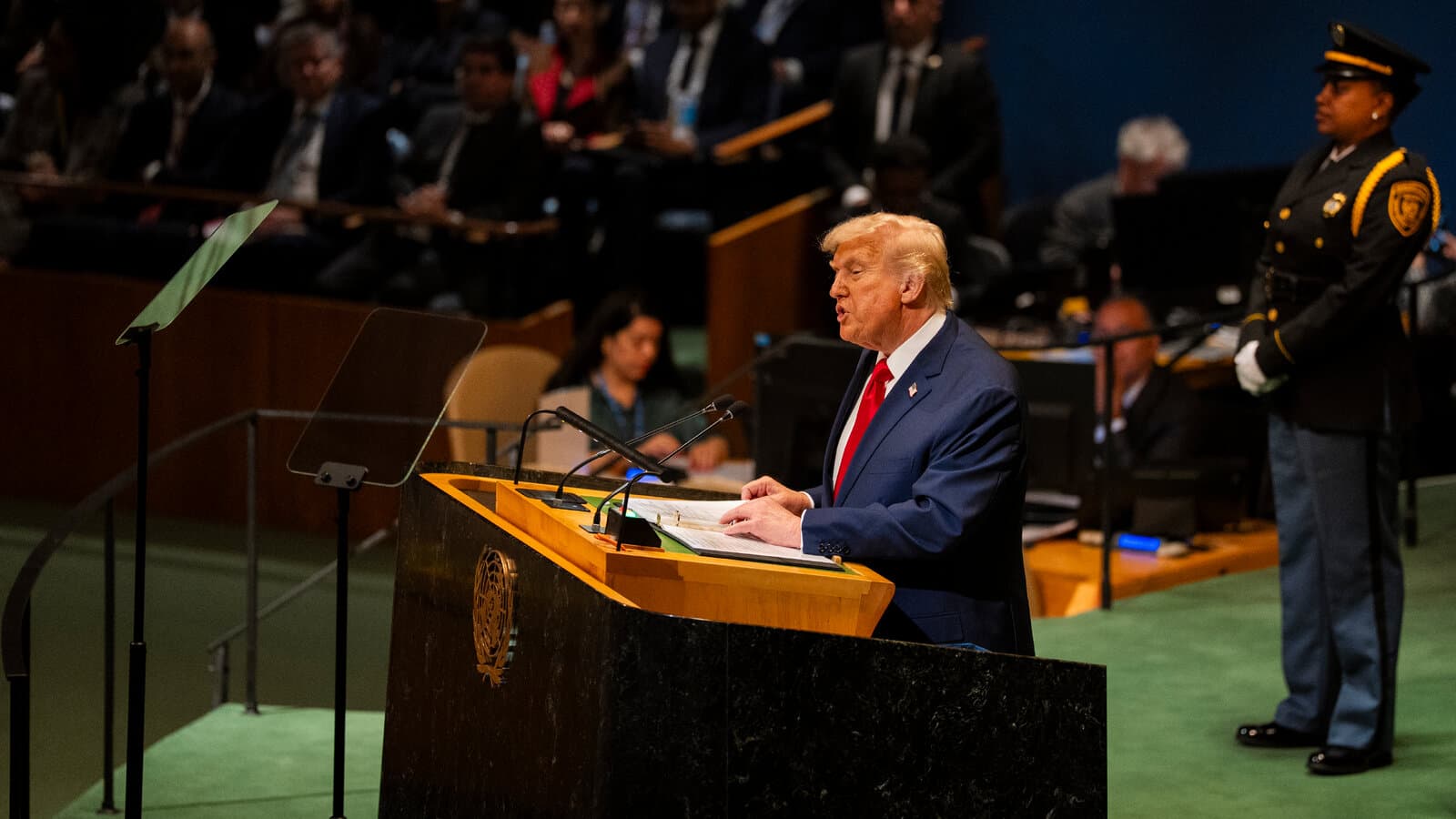
- President Donald Trump signed a memorandum to withdraw the U.S. from 66 international organizations, proclaiming them “redundant” and against U.S. interests.
- Organizations affected include the World Health Organization (WHO), UNESCO, the United Nations Human Rights Council (UNHRC), the International Renewable Energy Agency (IRENA), and the International Solar Alliance (ISA).
Impact on Health and Humanitarian Aid:
- WHO: U.S. withdrawal initiated January 20, 2025, effective by January 22, 2026. Expected funding cuts impact pandemic preparedness and major health programs in developing countries. The U.S. was the largest donor to WHO.
- UNRWA: U.S. suspended funding for the Palestinian relief agency in February 2025, hindering aid to Palestinian people in Gaza, potentially escalating diplomatic tensions with Israel.
Cumulative Effects on Climate Initiatives:
- U.S. exit from foundational climate treaties, including the UN Framework Convention on Climate Change (UNFCCC) and the Paris Agreement, undermines global climate initiatives, creating funding gaps for developing countries.
- Withdrawal from the Intergovernmental Panel on Climate Change (IPCC) may lead to significant data and research gaps in climate science.
Economic and Rights Organizations:
- Withdrawal will affect the OECD Global Tax Deal aimed at preventing corporations from tax avoidance. This creates legal uncertainty for the global minimum tax framework.
- Other affected organizations include UN Women, the UN Population Fund (UNFPA), and the UN Conference on Trade and Development (UNCTAD).
- Organizations related to peace and security such as the International Law Commission and UN Peacebuilding Commission are also impacted.
Geopolitical Repercussions:
- China is expected to step into leadership vacuums left by the U.S. exit, leveraging its resources and influence.
- India's diplomatic challenges increase, necessitating engagement with like-minded partners in these organizations to protect rules and agreements.
National and International Agreements:
- The decision signifies a substantive shift in U.S. foreign policy, moving away from multilateral agreements aimed at addressing global challenges collectively.
Potential for Environmental Legislation Gaps:
- Impact on global climate efforts, diminishing U.S. influence in future climate policies, potentially leading to an increase in carbon emissions without robust leadership.
Government and Policy Implications:
- U.S. withdrawal from numerous international agreements alters the landscape of international cooperation on pressing global issues, including health, climate change, and human rights.
This summary highlights the wide-ranging implications of the U.S. decision under Trump's administration for international law and cooperation, particularly in health, climate policy, and human rights, and emphasizes the necessity for nations like India and China to navigate the evolving geopolitical landscape.
Key Terms & Concepts
| International Solar Alliance | India-led solar energy initiative |
| World Health Organisation | Global health organization impacted |
| UNESCO | Cultural and educational programs |
| UN Human Rights Council | Forum for human rights discussions |
| UNRWA | Agency for Palestinian aid |
| Paris Agreement | Global climate accord exited |
| UN Framework Convention on Climate Change | Key climate action treaty |
| Intergovernmental Panel on Climate Change | Climate science assessment body |
| OECD Global Tax Deal | Framework for global tax standards |
| UN Population Fund | Focuses on reproductive health |
| UN Women | Entity for gender empowerment |
| UN Conference on Trade and Development | Agency for trade and development |