iAspirants
US Withdrawal Impacts Global Climate Governance
Published on:
Share this post
Article Summary
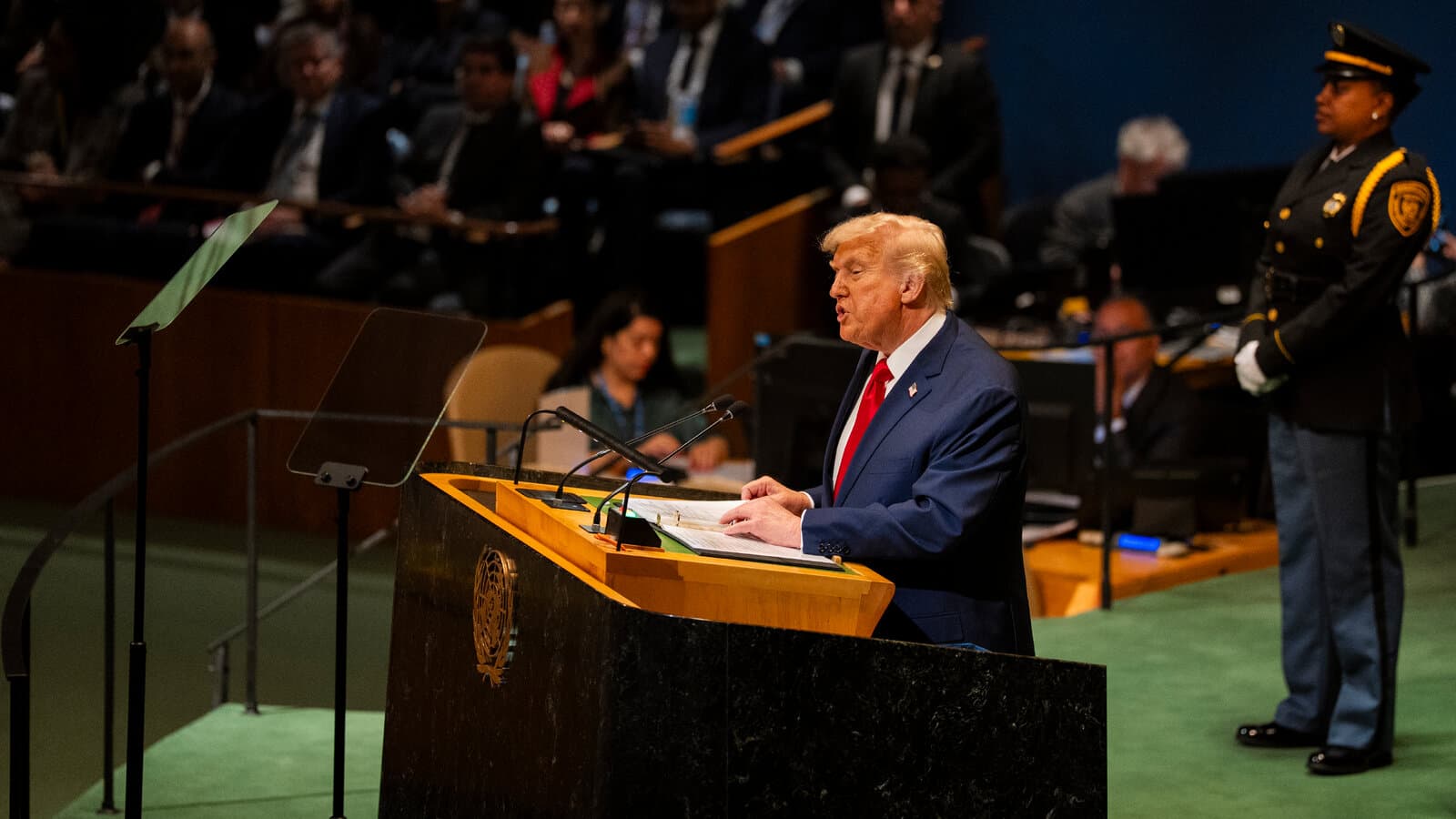
US Withdrawal from International Treaties: Donald Trump's second term indicates a pronounced climate denialism. He has withdrawn the US from the Paris Climate Pact and signaled reduced engagement with global environmental treaties.
Presidential Memorandum: This document announced the US's exit from 66 international organizations, including climate-related bodies such as the UNFCCC (United Nations Framework Convention on Climate Change) and IPCC (Intergovernmental Panel on Climate Change).
Impact on Climate Diplomacy: The US exit from the UNFCCC signals a significant reduction in American participation in international climate negotiations, potentially limiting global efforts to mitigate climate change.
Historical Context of GHG Emissions: The US has historically been the largest emitter of greenhouse gases (GHGs), and its withdrawal should prompt a reevaluation of international climate governance mechanisms.
Financial Mechanisms in Climate Action:
- The Green Climate Fund and Adaptation Fund were already facing challenges prior to this decision.
- The newly operationalized Loss and Damage Fund needs strengthening.
- The US has a history of defaulting on contributions, though the Biden administration improved the reputation temporarily.
International Contribution Dynamics: Contributions from other developed countries to climate finance have not matched their economic capabilities, especially as several Western European nations have cut their aid budgets recently.
Focus on Middle-Income Countries: Middle-income countries are often the largest beneficiaries of climate finance, highlighting the need for mechanisms that ensure financial support reaches those most in need, particularly in the Global South.
International Solar Alliance (ISA): India has promoted the ISA to help build climate capacities in developing nations. Although the US has exited the ISA, it has not previously offered aid to the alliance.
Opportunities for Reorganization: The current shifts in climate architecture pose an opportunity for the ISA and similar groups to establish more effective frameworks for climate action and financial mobilization.
Need for Institutional Support: Multilateral organizations must develop strategies to support middle-income and other developing countries in executing major climate projects, addressing inherent disadvantages faced by less developed nations.
This information captures critical facts concerning international climate agreements, the role of the US, and the future of climate finance in a changing political landscape.
Key Terms & Concepts
| Paris Climate Pact | International climate agreement |
| UNFCCC | Framework for climate negotiations |
| IPCC | Research on climate change |
| Green Climate Fund | Climate finance for developing countries |
| Adaptation Fund | Support for climate resilience |
| Loss and Damage Fund | Compensation for climate impacts |
| International Solar Alliance (ISA) | Solar energy cooperation platform |
| Middle-income countries | Beneficiaries of climate finance |
| Western European countries | Reduced climate aid budgets |
| US | Historic defaulter of climate commitments |
| Joe Biden | Restored some climate credibility |