iAspirants
Vandalism of Bulleh Shah's Shrine
Published on:
Share this post
Article Summary
Summary of Key Points on Bulleh Shah and Sufi Heritage
Cultural and Historical Context
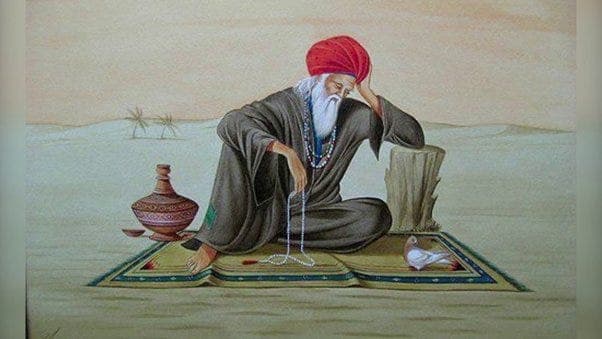
- Bulleh Shah: A 17th-century Sufi poet, born in 1680 in Kasur, present-day Pakistan. His real name was Abdullah Shah.
- Philosophy: Advocated for universal love ("ishq") transcending divisions of caste, creed, religion, and gender. Notable quote: "Masjid dha de, mandir dha de..." encapsulates this core message.
- Education: Studied under Hazrat Ghulam Murtaza and later Shah Inayat Qadri, engaging with the tolerant Qadriya Sufi order.
Key Themes in Bulleh Shah's Work
- Rebellion Against Societal Norms:
- Challenged caste and patriarchy, notably opposing traditional norms by adopting symbols such as wearing pink, traditionally associated with Punjabi brides.
- Critiqued religious rituals, including Hajj and daily prayers.
- Inclusivity: Incorporated elements from various traditions including the Nath yogis and hints of Vedantic Monism, suggesting a transcendent unity among differing spiritual practices.
Legacy and Influence
- Tomb and Cultural Impact: Bulleh Shah's tomb in Pakistan is a pilgrimage site, blending elements of diverse religious practices. His poetry continues to inspire artists and filmmakers in both India and Pakistan.
- Recognitions such as the Bulleh Shah Award and the Bulleh Shah Gold Medal highlight his enduring influence in contemporary Punjabi culture.
- Works and references in popular films and music emphasize his impact on modern cultural dialogues.
Recent Events
- Vandalism of Shrine: Recent vandalism of Bulleh Shah's shrine in Mussoorie, Uttarakhand, has spurred calls for the preservation of Sufi heritage, indicating ongoing societal tensions.
- Cultural Relevance: The vandalism has led to widespread outrage, emphasizing Bulleh Shah’s messages of love and unity, illuminating the persistent struggles for inter-religious peace and cultural preservation in modern times.
Constitutional and Societal Reflections
- Secular Values: Bulleh Shah’s teachings resonate with principles enshrined in the Indian Constitution, particularly those promoting diversity, fraternity, and secularism (Articles 15, 25, and the Fundamental Duties).
- Cultural Heritage: The discussion surrounding the vandalism posits the necessity of safeguarding cultural and spiritual heritages that contribute to the social fabric of Indian and Pakistani societies.
Conclusion Bulleh Shah's legacy is a blend of profound spiritual insights, social critique, and cultural expression. His work remains vital in understanding the interplay between Sufi traditions, contemporary issues, and the ongoing quest for a more inclusive society. The recent events related to the vandalism highlight the need to revisit and protect such legacies in the face of modern-day challenges.
Key Terms & Concepts
| Bulleh Shah | Sufi poet's cultural significance |
| Mussoorie | Location of vandalism incident |
| Sufi tradition | Cultural and religious philosophy |
| Punjab | Region associated with Bulleh Shah |
| Pakistan | Bulleh Shah's birthplace |
| 17th century | Period of Bulleh Shah's life |
| Uch Gilaniyan | Ancestral origin of Bulleh Shah |
| Waris Shah | Contemporary poet of Bulleh Shah |
| Mughal empire | Historical context for Bulleh Shah's rebellion |
| Aalami Punjabi Ikatth’s Bulleh Shah Award | Award for contributions to Punjabi culture |
| 1747 | Year of Bulleh Shah's passing |