iAspirants
Vice President Visits Oceanography Institute
Published on:
Share this post
Article Summary
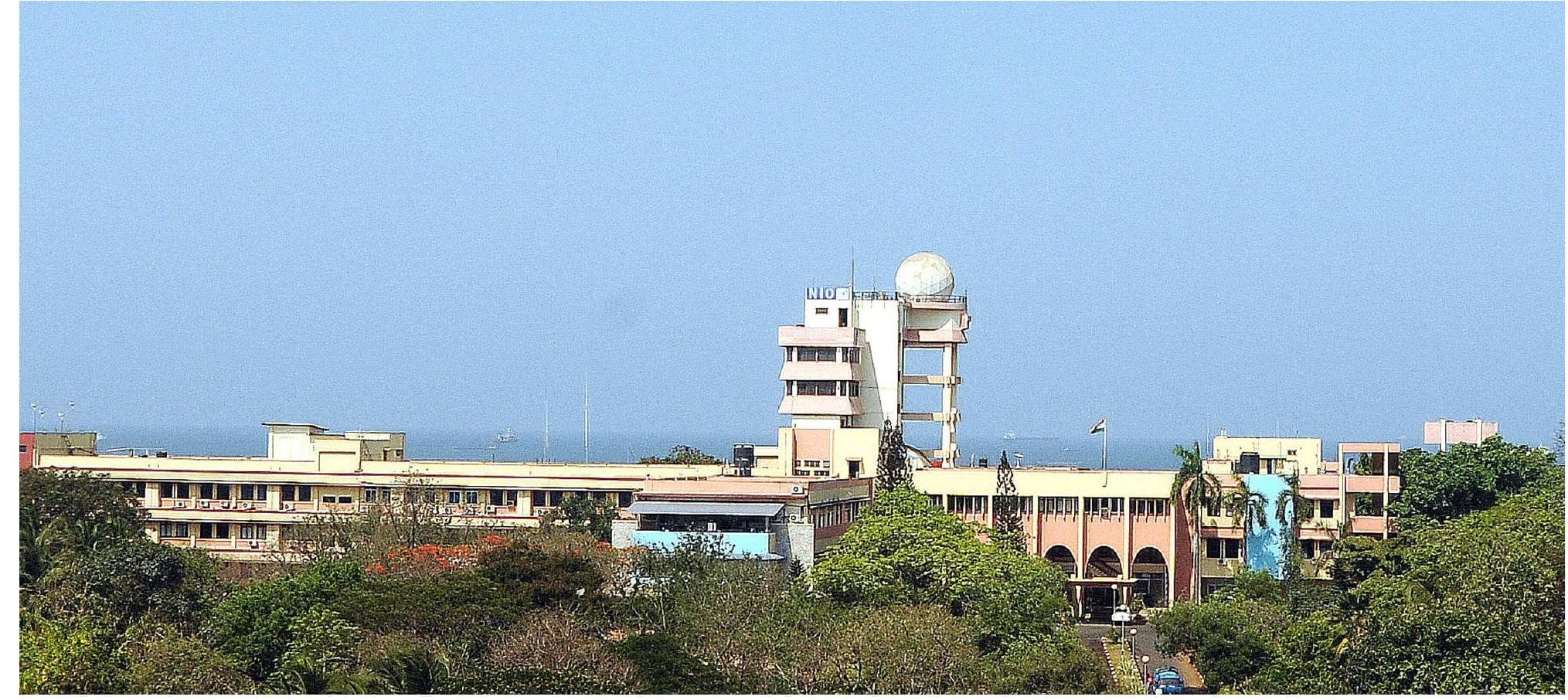
Summary of Vice President's Visit to CSIR-National Institute of Oceanography (CSIR-NIO)
Institutional Overview:
- CSIR-NIO has been a premier scientific institution in India for nearly six decades.
- Focuses on oceanography, addressing ecological challenges, and promoting sustainable development.
Key Highlights from the Visit:
- Vice President Shri C. P. Radhakrishnan emphasized the importance of oceans for India, which has a coastline of approximately 11,000 kilometers.
- He stated that oceans are not merely resources but vital ecosystems that require respect and preservation.
- The oceans are seen as bridges connecting India to global trade, energy security, and strategic power.
Historical Significance:
- The Indian Ocean has historically shaped India's civilization through cultural and economic connections established by ancient traders and scholars.
Government Initiatives and Policies:
- The Vice President praised the Indian government’s efforts under Prime Minister Narendra Modi to enhance international scientific collaboration.
- Mentioned the Memorandum of Understanding (MoU) between CSIR and Norway's Research Council aimed at promoting research, innovation, and technology development.
Challenges Addressed:
- Highlighted issues like climate change, rising sea levels, marine pollution, biodiversity loss, and microplastics affecting coastal communities.
- Stressed that development should not come at the cost of nature and ocean science is crucial for a sustainable and secure world.
Future Initiatives:
- Discussed India's forward-looking programs like the Deep Ocean Mission, Blue Economy initiative, Green Hydrogen Mission, and renewable energy partnerships.
- Encouraged young researchers to pursue innovation fearlessly, drawing inspiration from mathematician Srinivasa Ramanujan.
Judicial and Constitutional Context:
- While no specific constitutional articles or judicial rulings were mentioned, the emphasis on sustainability and innovation aligns with the Directive Principles of State Policy (DPSP) in the Indian Constitution, particularly regarding the protection and improvement of the environment (Article 48A).
Scientific and Technological Emphasis:
- Urged Indian research institutions to learn from advanced global systems and adhere to international scientific standards.
- Highlighted the potential of young talents in ocean biotechnology, climate solutions, and marine conservation to lead future initiatives.
Publications and Exhibits:
- The Vice President launched a coffee table book titled "A Diamond Legacy of Ocean Science Excellence" during the visit.
- He toured various laboratories and a research and technology exhibition showcasing major projects and scientific initiatives of CSIR-NIO.
Conclusion:
- The visit reinforced the critical role of ocean science in addressing global challenges and enhancing India's strategic capabilities. The Vice President's call for responsible innovation and the nurturing of young talents reflects a commitment to a sustainable future through scientific progress.
Key Terms & Concepts
| CSIR-National Institute of Oceanography | Premier scientific institution in India |
| 11,000 kilometers | Length of India's coastline |
| Deep Ocean Mission | Future-oriented initiative |
| Blue Economy Initiative | Sustainable economic development |
| Green Hydrogen Mission | Renewable energy initiative |
| COVID-19 pandemic | Context for scientific collaboration |
| Vasudhaiva Kutumbakam | Philosophy of global unity |
| Norwegian Research Council | International collaboration partner |
| Climate Change | Growing global challenge |
| Marine Pollution | Environmental concern |
| Biodiversity Loss | Environmental concern |
| Microplastics | Environmental pollutant |