iAspirants
Current AffairsPrelims PYQsUPSC CSE SyllabusUPSC CSE StrategyBlogsPricing
Login
iAspirants

Your AI-powered companion for UPSC preparation.

Quick Links

  • Home
  • About Us
  • Current Affairs
  • Prelims PYQs
  • UPSC CSE Syllabus
  • UPSC CSE Strategy
  • Blogs

Company

  • Pricing
  • FAQs
  • Contact Us
  • Login

Legal

  • Privacy Policy
  • Terms & Conditions
  • Return Policy

© 2025 iAspirants, Inc. All rights reserved.

  1. Blogs
  2. National and International Importance

WHO Collaborates on Ayurvedic Research

Published on: 26-Aug-2026

Source: The Hindu

Share this post

WHO Collaborates on Ayurvedic Research

Article Summary

Summary of Key Points: Ayurvedic Research and WHO Collaboration

  1. WHO's Interest in Traditional Medicine:

    • The World Health Organization (WHO) is focusing on traditional medicines, emphasizing their potential benefits in improving public health.
  2. Research Project on Ayurvedic Treatment:

    • A collaborative research project is proposed to evaluate Ayurvedic treatment for rheumatism in Coimbatore, India.
    • The initiative aims to scientifically assess the effectiveness of Ayurvedic cures for various rheumatic diseases.
  3. Key Figures Involved:

    • Dr. V.T.H. Gunaratne, WHO Regional Director for South-East Asia, advocates for research into traditional medicine.
    • Dr. P. Diesh (WHO) and Dr. V. N. Rao (Indian Council of Medical Research - ICMR) are leading the project development.
  4. Collaboration Details:

    • The project will involve collaboration between WHO, ICMR, and the Ayurvedic Trust.
    • A feasibility study has been conducted to determine the viability of the research.
  5. Objectives of the Project:

    • To evaluate scientifically the claims of Ayurvedic treatments for rheumatism.
    • To investigate the underlying principles of how these Ayurvedic drugs work.
  6. Significance:

    • This initiative aligns with broader efforts to integrate traditional medicine into modern healthcare frameworks.
    • It reflects a growing recognition of the importance of indigenous health practices in global health strategies.
  7. Constitutional Context:

    • Article 47 of the Indian Constitution promotes the duty of the state to raise the level of nutrition and the standard of living, and to improve public health, which supports the exploration of traditional medicines like Ayurveda.
  8. Potential Impact:

    • Success in this research could lead to greater acceptance and use of Ayurvedic treatments, potentially influencing health policies and practices in India and beyond.

This summary captures the essential details of the WHO's collaboration with Indian institutions to explore Ayurvedic treatments, emphasizing the constitutional backing and the potential implications for healthcare practices.

Key Terms & Concepts

World Health OrganisationConducting research on Ayurveda
Ayurvedic treatment for rheumatismResearch focus of project
Indian Council of Medical ResearchCollaborating on research project
CoimbatoreLocation of research project
Ayurvedic TrustPartner in research study
Dr. V.T.H. GunaratneWHO Regional Director
Dr. P. DieshWHO researcher involved
Dr. V. N. RaoICMR researcher involved
2026Year of project announcement

Mind Map for UPSC Civil Services Revision

Turn UPSC Civil Services Current Affairs Into Exam-Ready Notes

Reading National and International Importance current affairs is half the work. Revise them with ready-made notes and test what actually stuck.

  • Daily UPSC Civil Services current affairs analysis
  • Revision notes, mind maps & MCQs
  • Prelims mock tests with instant results

Related UPSC Civil Services Current Affairs Articles

Floods and Disasters in India
National and International Importance10-Oct-2026

Floods and Disasters in India

West Bengal Floods and Assam Landslides

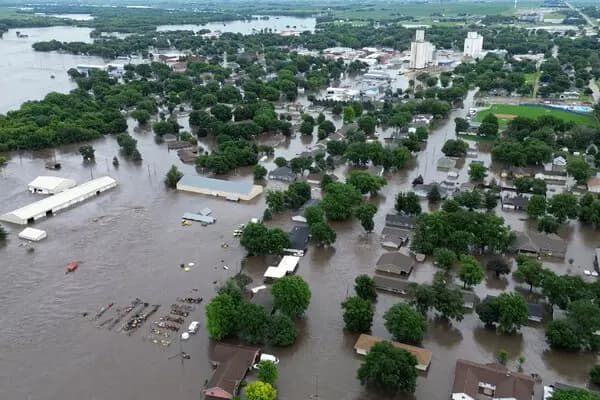
  • Impact: Fresh floods in Hooghly, Murshidabad, and Birbhum districts inundated over 50 villages.
  • Assam Landslides: Landslides between Haraipul and Lams-Hang towns disrupted train services.

Judicial Developments in Terrorism Cases

  • Breakthrough in Vaidya Assassination Case:
    • Two individuals were arrested in Connaught Place, linked to the assassins of General A S Vaidya and Congress (I) leader Lalit Maken.
    • These individuals facilitated the escape of wanted terrorists from India.

Road Safety and Accidents

  • Bus Accident in Uttar Pradesh:
    • A state transport bus fell about 70 feet from the new Ganga bridge at Jajmau, resulting in 57 fatalities.
    • Among the 55 injured, 10 are reported to be in critical condition.
    • The accident was caused by a collision with a truck.

Political Resignation in the United States

  • US State Department Resignation:
    • Bernard Kelb, Assistant Secretary of State for Public Affairs, resigned in opposition to the Reagan administration's disinformation campaign against Libyan leader Colonel Muammar Gaddafi.
    • This resignation adds to the growing criticisms of the administration’s credibility issues.

Key Takeaways

  • The recent floods and landslides illustrate the ongoing challenges with environmental disasters in India and their impact on communities.
  • The arrests related to high-profile assassinations reflect ongoing issues with terrorism and security management in the region.
  • Road safety remains a critical concern, highlighted by the tragic bus accident that resulted in numerous fatalities.
  • Political resignations, such as that of Bernard Kelb, indicate internal dissent over foreign policy strategies, emphasizing the complexity of diplomacy and public trust in government communications.

Exam Focus Areas

  • Environmental challenges in India (flooding and landslides).
  • Terrorism and national security cases.
  • Road safety and traffic regulations.
  • Political dynamics and foreign policy criticisms in the United States.
Public Protests and Democratic Defiance
National and International Importance09-Oct-2026

Public Protests and Democratic Defiance

Key Points Summarized:

  1. Opposition Movements:

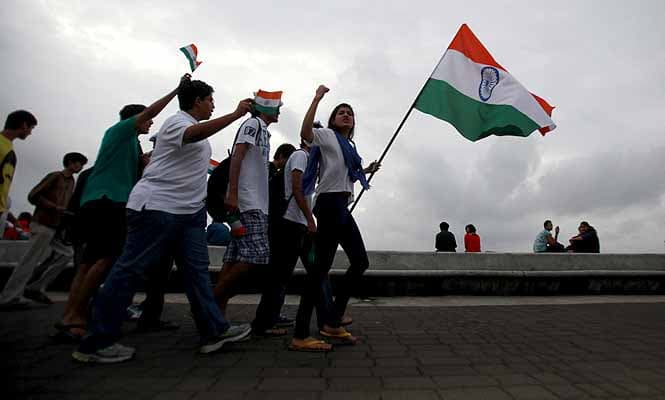
    • Opposition MPs, led by Rahul Gandhi, are actively protesting against the Election Commission, highlighting issues surrounding voter rights and electoral processes.
    • Recent protests are part of a larger public agitation that has included student protests over exam irregularities and calls for accountability from the Election Commission.
  2. Judicial Involvement:

    • Justice Ujjal Bhuyan expressed that any process leading to disenfranchisement undermines the Constitution, specifically violating the fundamental right to vote as enshrined in Article 326 of the Indian Constitution, which guarantees the right to vote in elections.
  3. Calls for Accountability:

    • Civil society leaders have initiated a “people’s impeachment” notice against Chief Election Commissioner Gyanesh Kumar, asserting that the trust in the Election Commission is pivotal for its authority, as it is not merely a government agency.
  4. Public Sentiment:

    • There is a notable shift in public sentiment, with a rise in protests and self-expression among citizens, particularly youth using social media to voice dissent. The atmosphere of fear that dominated for years is reportedly waning, indicating a revived public engagement in democracy.
  5. Historical Context:

    • The ruling regime has been characterized as operating on a foundation of fear for over a decade, with governmental misuse of central agencies and an attempt to control the judiciary and media narratives.
  6. Media and Institutions:

    • There are claims that large media sections serve government interests rather than presenting balanced news. The legislative process has become criticized for lacking transparent debate, with laws passed rapidly.
  7. Challenges Ahead:

    • Despite these emerging movements, challenges remain, including institutional compromises requiring years to rectify, misuse of police forces against opposition in various states, and enduring electoral manipulations.
  8. Hope for Democracy:

    • A sentiment of hope is emerging, fueled by public protests and calls for freedom from fear, suggesting a potential resurgence in democratic engagement among citizens.
  9. Quotations Reflecting Sentiment:

    • References to Ramdhari Singh Dinkar underscore a cultural call for the throne (authority) to be vacated for the people, reflecting a historical grounding for current protests.
  10. Constitutional Reference:

    • The importance of Article 326 (right to vote) and the demands for accountability are central to ongoing protests and engaged activism among the populace.

This summary is aimed at providing a concise understanding of the ongoing protests, constitutional implications, judicial involvement, and the broader socio-political context surrounding these developments in India.

Decreased Vessels in Strait of Hormuz
National and International Importance08-Oct-2026

Decreased Vessels in Strait of Hormuz

Summary of Key Facts and Data Regarding Strait of Hormuz

Shipping Traffic and Incidents

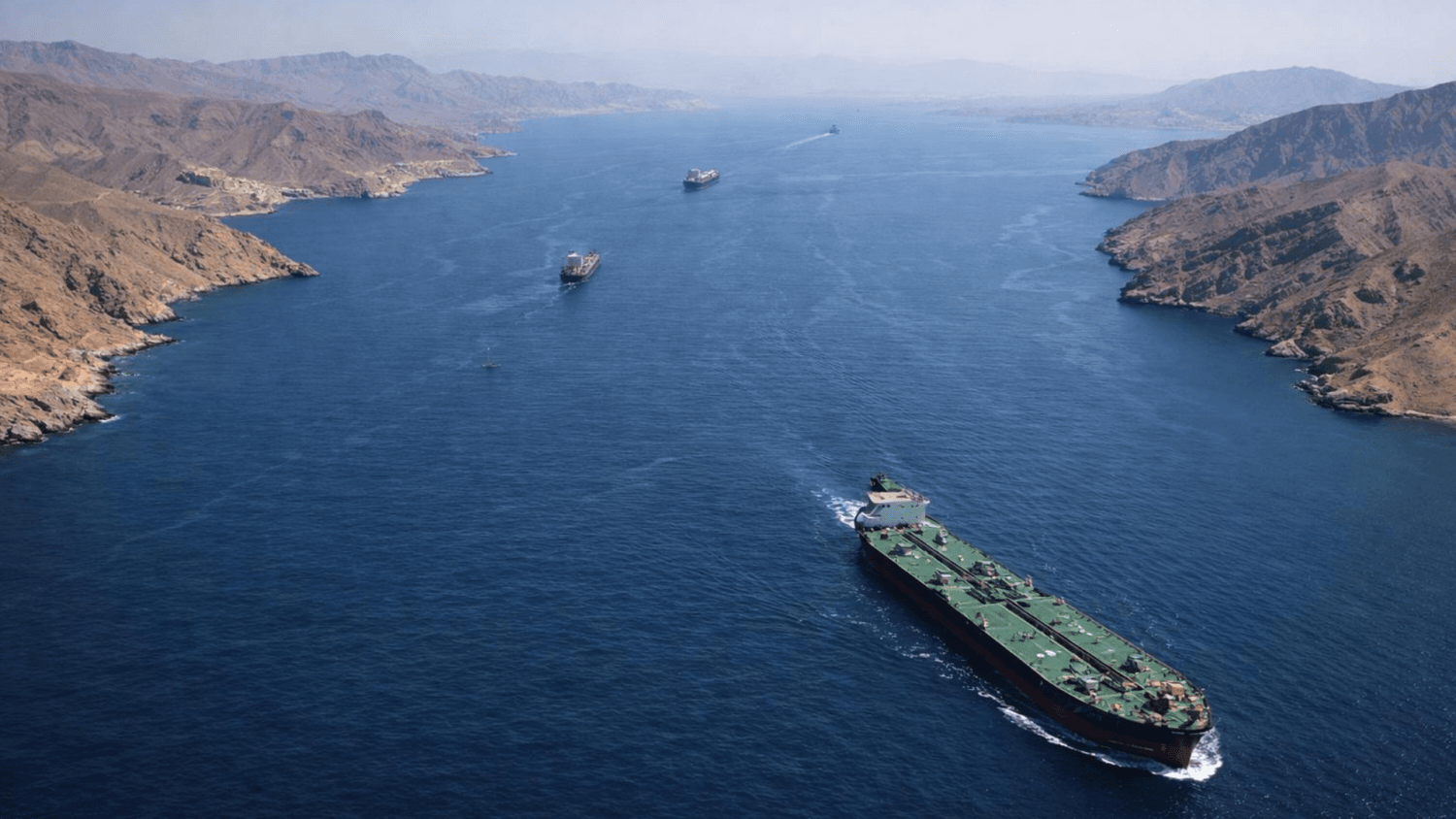
  • The number of vessels transiting the Strait of Hormuz has dropped to seven on October 6, 2026, the lowest count since July 23, 2026.
  • A spike in attacks on tankers occurred, reaching the highest weekly totals since the onset of the US-Israeli war with Iran.
  • On October 6, crude oil transportation through the strait fell by 27%, averaging 10.1 million barrels per day, which represents 74% of pre-war levels.
  • Ship-to-ship (STS) transfers in the Gulf of Oman decreased significantly.
  • Vessels entering the strait outnumbered those exiting in the two days prior to October 7, 2026.
  • Maritime security sources reported attacks reached the highest in any week since the Iran war began, with a notable incident involving a tanker struck 51 nautical miles north of Qatar.

Economic Indicators

  • The shipping data indicates that before the Iran war's escalation on February 28, 2026, approximately 125 large commercial vessels traversed the strait daily.
  • These vessels accounted for nearly 20% of global crude oil and liquefied natural gas supplies.

Regional Responses and Adjustments

  • Exports from the Gulf of Oman coast and the Red Sea increased to 6.7 million barrels per day, more than twice the pre-war levels, compensating for reduced activity in the Strait of Hormuz.
  • Overall crude exports from the Middle East have maintained pre-war levels despite disruptions.

Conclusion

The developments in the Strait of Hormuz reflect significant geopolitical and economic dynamics, particularly amidst heightened risks due to maritime attacks linked to the ongoing conflicts involving Iran. The data underscores the strategic importance of this waterway for global oil supplies and the adaptive responses of regional exporters in the wake of rising tensions.

Tanker Attacked Near Qatar Coast
International Relations08-Oct-2026

Tanker Attacked Near Qatar Coast

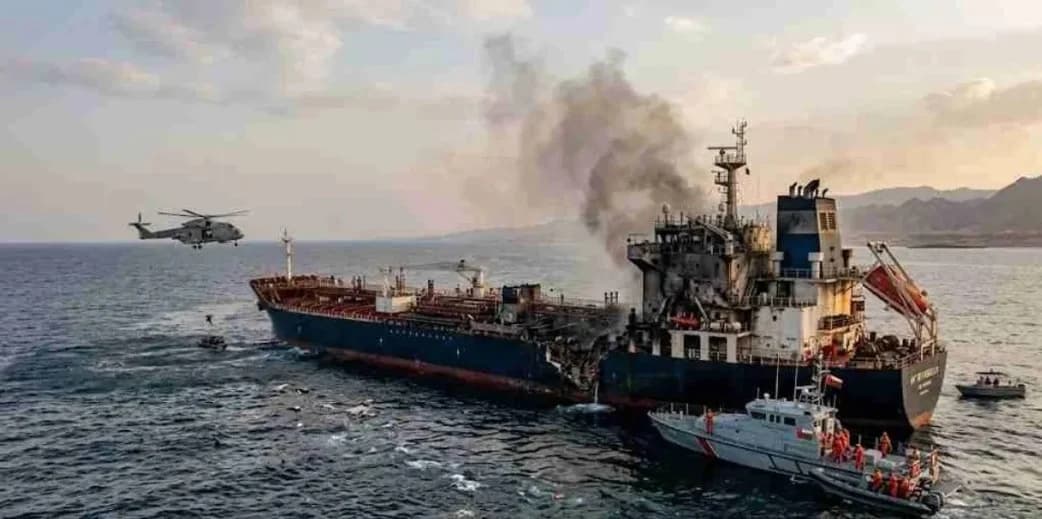
  • Incident Overview: A tanker off the northern coast of Qatar reported being hit by multiple projectiles, leading to unspecified casualties. The attack occurred approximately 51 nautical miles (94 kilometers) from Qatar’s coast, 500 kilometers (300 miles) from the strategic Strait of Hormuz.

  • Geopolitical Context:

    • The Gulf region remains volatile due to a series of conflicts stemming from U.S. and Israeli military strikes against Iran that began in late February 2026.
    • Iran has reportedly blockaded the Strait of Hormuz and fired upon vessels it considers to be making unauthorized crossings. In retaliation, the United States has established its own counterblockade on Iranian ports and has engaged in military actions against ships purportedly connected to Tehran.
  • Strategic Importance of Strait of Hormuz: The Strait is crucial for global oil and gas transport, with approximately 20% of the world’s oil and liquefied natural gas passage occurring through it prior to the current conflict.

  • International Response: Diplomatic efforts to resolve the war have become stagnant, highlighting the ongoing regional tensions and complexities in international relations concerning resource security and military engagements.

  • U.S. Military Operations: Following retaliatory actions, including bombings of Iranian targets, U.S. efforts continue to focus on the protection of commercial shipping routes, particularly those near the coast of Oman.

  • Current Maritime Security: Despite ongoing skirmishes and threats, some vessels continue to transit through the Strait of Hormuz, albeit under the watchful eye of U.S. military operations aimed at ensuring safety in shipping lanes.

  • Casualties and Investigations: The UK Maritime Trade Operations (UKMTO) agency is investigating the circumstances surrounding the recent attack, although details about the casualties remain unspecified.

  • Broader Implications: The ongoing conflict and maritime incidents in the Gulf not only have significant implications for regional stability but also for the global economy due to the strategic nature of oil and gas transportation through this route.

  • This summary encapsulates critical aspects of the maritime incident and its implications amid the ongoing geopolitical crisis in West Asia.