iAspirants
Current AffairsPrelims PYQsUPSC CSE SyllabusUPSC CSE StrategyBlogsPricing
Login
iAspirants
Current AffairsPrelims PYQsUPSC CSE SyllabusUPSC CSE StrategyBlogsPricingContact UsLoginSignUp
iAspirants

Your AI-powered companion for UPSC preparation.

Study Resources

  • Current Affairs
  • Prelims PYQs
  • UPSC CSE Syllabus
  • UPSC CSE Strategy
  • Blogs

Practice & Plans

  • Mains Answer Evaluation
  • Pricing
  • Sign Up
  • Login

Company

  • Home
  • About Us
  • Contact Us
  • FAQs

Legal

  • Privacy Policy
  • Terms & Conditions
  • Return Policy

© 2026 iAspirants, Inc. All rights reserved.

  1. Blogs
  2. Economic and Social Development

WHO Guidelines on Child Obesity

Published on: 10-Oct-2026

Source: Indian Express

Share this post

WHO Guidelines on Child Obesity

Article Summary

Summary of Key Points on Obesity Management in Children

  1. Global Burden of Diabetes and Lifestyle Diseases:

    • Increasing prevalence among young populations, particularly in developing nations like India.
  2. WHO Guidelines on Childhood Obesity:

    • First-ever guidelines addressing obesity in children and adolescents.
    • Emphasizes early, family-centered interventions, with a focus on:
      • Healthier diets.
      • Physical activity.
      • Behavioral support.
    • Acknowledges that pharmaceuticals and surgical options may be used for severely obese adolescents with comorbid conditions (e.g., type 2 diabetes).
  3. Indian Context:

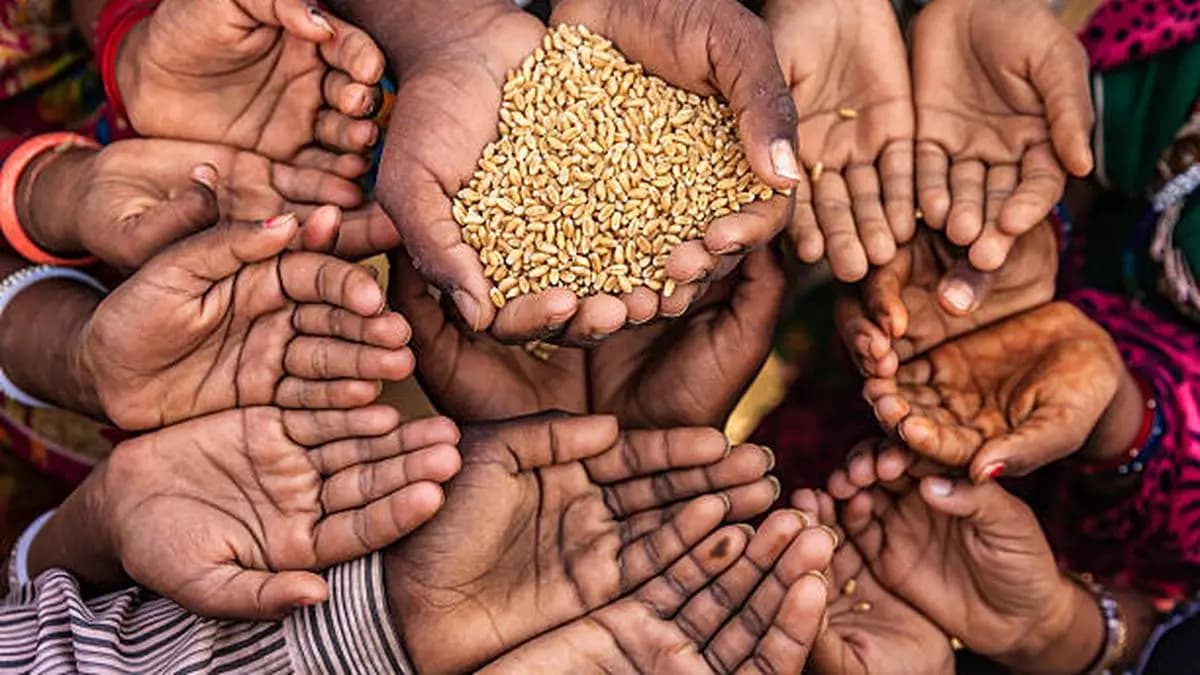
    • India faces a dual challenge of addressing both malnutrition and obesity concurrently.
    • Indian Academy of Paediatrics (2023 Guidelines):
      • Recommends assessment of children over 10 years old for health issues related to obesity, such as hypertension, abnormal blood lipids, diabetes, and fatty liver disease.
    • Alignment with WHO strategies advocating a comprehensive approach involving parents, pediatricians, and schools.
  4. Supportive Environments:

    • WHO underscores the importance of creating "supportive environments" for healthier choices.
    • Emphasis on addressing access to nutritious food, particularly for children reliant on poor diets due to limited options.
  5. Public-Health Policy Implications:

    • Need for regulations against advertising and promotion of unhealthy foods.
    • Strengthening availability and accessibility of nutritious food alternatives.
    • Calls for "systemic change" to tackle the root causes of obesity and malnutrition.
    • Highlighting the links between child malnutrition and poor maternal diets emphasizes the need for broader public health initiatives.
  6. Policymaker Recommendations:

    • Governments should integrate nutritional awareness into public health policy.
    • Women’s empowerment and facilitating healthier food choices must be prioritized due to their impact on family nutrition.

This summary encapsulates significant findings and recommendations from recent health guidelines and studies on childhood obesity and its management.

Key Terms & Concepts

WHOGlobal health authority
IndiaCountry facing obesity challenges
Indian Academy of PaediatricsIssued guidelines for obesity
2023Year of Indian guidelines
type 2 diabetesAssociated condition of obesity
hypertensionPotential condition from obesity
abnormal blood lipidsPotential condition from obesity
fatty liver diseasePotential condition from obesity
malnutritionExisting issue in India
advertising regulationsPart of public health policy
nutritional awarenessNeed for systemic change
supportive environments for childrenWHO recommendation

Mind Map for UPSC Civil Services Revision

Turn UPSC Civil Services Current Affairs Into Exam-Ready Notes

Reading Economic and Social Development current affairs is half the work. Revise them with ready-made notes and test what actually stuck.

  • Daily UPSC Civil Services current affairs analysis
  • Revision notes, mind maps & MCQs
  • Prelims mock tests with instant results

Related UPSC Civil Services Current Affairs Articles

Mental Health Policy for Indian Students
Economic and Social Development24-Nov-2026

Mental Health Policy for Indian Students

Summary of Key Points on Mental Health Policy in Indian Education System

Mental Health Statistics

  • Suicide Data:
    • In 2024, 14,488 students died by suicide in India.
    • This marked a 4.3% increase from 2023 (13,892 cases).
Practise Mains answer writingUpload a handwritten answer and get it evaluated
  • Between 2015 and 2024, there has been a 62% increase in student suicides, now accounting for 8.5% of total suicides in India.
  • Constitutional References and Policies

    • National Education Policy (NEP) 2020:
      • Emphasizes a broader understanding of education beyond academic performance.
      • Advocates for creativity, inclusive classrooms, manageable workloads, and career guidance.

    Government Initiatives

    • Ehsaas 2026:
      • An initiative by the Delhi government aimed at addressing mental health and well-being in schools and higher education institutions.
      • Includes provisions for:
        • School Counsellors: Suggested ratio of 1 counsellor for every 500 students.
        • Helplines and District-Level Well-Being Centres: Establishes resources for mental health support.
        • Training for Teachers and Parents: Focus on mental health awareness and support mechanisms.
        • Structured Escalation Mechanism: Facilitate timely interventions for at-risk students.

    Implementation Challenges

    • The initial ratio of counsellors may prove inadequate due to diverse student needs.
    • The need for:
      • Continuous training and regular appointments of counsellors.
      • Sufficient personnel and resources at district-level facilities to ensure effective referral systems.

    Societal Context

    • The policy acknowledges various stressors impacting students, such as:
      • Academic pressure,
      • Family circumstances,
      • Social isolation,
      • Bullying,
      • Future uncertainties.

    Future Considerations

    • Success of the Ehsaas policy relies on tangible improvements in students' daily experiences:
      • Feeling heard and seen.
      • Building confidence and dignity beyond traditional academic settings.

    Conclusion

    • The Ehsaas 2026 policy represents a crucial step towards integrating mental health into the educational framework, necessitating ongoing commitment to reform efforts for achieving meaningful impact in students' lives.
    Transforming India's Poverty Landscape
    Economic and Social Development24-Nov-2026

    Transforming India's Poverty Landscape

    Exam-Focused Notes on Poverty Alleviation and Government Initiatives in India

    Key Statistics and Data:

    • Poverty Reduction: Nearly 50 crore Indians have moved out of poverty between 2011 and 2023, with extreme poverty almost eradicated.
    • Health Impact: Swachh Bharat Mission has helped avert 60,000-70,000 infant deaths annually through improved sanitation.
    • Water Access: Jal Jeevan Mission increased rural tap water connections from 3 crore in 2019 to nearly 16 crore.
    • Financial Inclusion: Over 59 crore Jan Dhan accounts have enabled direct benefit transfers without intermediaries.
    • MUDRA Loans: 60 crore loan accounts sanctioned under the MUDRA scheme, with about two-thirds to women.

    Government Schemes and Policies:

    1. Swachh Bharat Mission: Focus on improving sanitation, which has direct health benefits.
    2. Jal Jeevan Mission: Aims to provide safe and adequate drinking water to rural households.
    3. Ujjwala Yojana: Facilitates access to clean cooking fuel for households to improve living conditions.
    4. PM Awas Yojana: Targets provision of pucca homes ensuring security and dignity for families.
    5. Ayushman Bharat: Offers cashless hospital care to strengthen financial protection against health expenses.
    6. MUDRA Scheme: Provides collateral-free loans to support small businesses, particularly among women.
    7. DAY-NRLM: Supports women's self-help groups (SHGs) for savings, skills, credit, and entrepreneurship.

    Constitutional References:

    • Antyodaya Principle: Focused on improving the conditions of the most disadvantaged individuals first, ensuring equitable development across all sections of society.

    Economic Indicators:

    • Transition from enabling temporary relief to removing systemic barriers to poverty has been emphasized, linked closely with the economic empowerment of women and marginalized groups through targeted interventions.

    Challenges and Future Goals:

    • Continuous effort required to address the remaining population at the bottom of the economic ladder.
    • The government aims to ensure those who have risen from poverty remain upwardly mobile.
    • A significant focus on increasing access to finance, markets, and the digital economy is essential.
    • Vision for Viksit Bharat by 2047: Commitment by the government to uplift all citizens and ensure equity in access to opportunities.

    International Relevance and Aspirations:

    • Achieving these targets marks a significant shift in how India is perceived globally in terms of poverty alleviation and economic development.
    • Emphasizes the collective effort of 140 crore Indians towards building a prosperous future.

    Women's Empowerment:

    • Women’s participation in SHGs has been instrumental in economic transformation, with some women achieving status as "Lakhpati Didis" and "Crorepati Didis."
    • Specific programs like PM SVANidhi have been tailored to support urban street vendors and traditional artisans, reflecting an inclusive growth strategy.

    Conclusion:

    India's multifaceted approach to poverty alleviation, characterized by robust government schemes, targeted interventions, and a strong focus on women's empowerment, demonstrates a comprehensive effort to reshape the socio-economic landscape of the country by 2047. The success stories highlighted reflect enhanced aspirations and resilience of individuals, especially women, as they strive for economic self-sufficiency and dignity.

    India's Clean Energy and Strategic Autonomy
    Economic and Social Development23-Nov-2026

    India's Clean Energy and Strategic Autonomy

    Summary of Key Points on India's Strategic Shift Towards Clean Energy

    1. Clean Energy Transition and Strategic Importance

    • India is moving from fossil fuels to clean energy, influencing industrial and strategic power centers.
    • China's dominance in clean energy production and critical minerals:
      • Controls 82% of global solar-module manufacturing.
      • Holds 91% of solar cells and 95% of wafers.
      • Dominates 80% of lithium-ion battery capacity and over 70% of cobalt and lithium processing.

    2. Government Policies and Schemes

    • Export Ban on Lithium-Ion Battery Black Mass: Implemented on November 10 to prioritize domestic refining.
    • Capital Support Scheme: Rs 2,814-crore approved for establishing four domestic lithium and nickel processing plants.
    • Production Linked Incentive (PLI) Schemes: Encouraging domestic production of solar modules and battery components, though still reliant on Chinese supplies.
    • National Critical Mineral Mission (2025): Aims to enhance domestic capabilities in critical minerals.

    3. International Relations and Resource Access

    • India seeks long-term partnerships with resource-rich countries (e.g., Argentina, Chile, DRC, Indonesia, Zambia, and Zimbabwe) to secure access to critical minerals.
    • Khanij Bidesh India Limited (KABIL): Exploring lithium brine blocks in Argentina.

    4. Technological Advancements and Alternatives

    • Israel emphasizes the need for "technological multi-alignment" to develop alternatives such as:
      • Sodium-ion batteries.
      • Green hydrogen.
      • Solid-state batteries.
    • Importance of industry-academia partnerships, skilled manpower, and predictable domestic demand.

    5. Environment and Recycling

    • Emphasis on scaling up recycling initiatives for batteries, solar panels, and e-waste to recover critical minerals.

    6. Challenges and Strategic Autonomy

    • Current production of solar cells and wafers does not meet domestic needs; reliance on Chinese imports continues.
    • Proactive, state-supported industrial strategy is crucial for addressing vulnerabilities in supply chains.
    • Need for a resilient cleantech ecosystem to avoid dependencies, mirroring past vulnerabilities observed during the Ukraine crisis.

    7. Judicial and Constitutional References

    • The need to develop a "technological sovereignty" reflects on India's constitutional commitment to sustainable growth as referenced in the Directive Principles of State Policy (DPSP) concerning the protection and improvement of the environment.

    Conclusion

    India's shift towards a clean energy paradigm not only impacts environmental sustainability but also its strategic independence. Balancing domestic production capabilities while managing external dependencies on technology and resources will be key in achieving true autonomy in the 21st century. Strategic investments, technological diversification, and international collaborations are crucial to this objective.

    Health Hazards of Fairness Creams
    Economic and Social Development22-Nov-2026

    Health Hazards of Fairness Creams

    Exam-Focused Notes on Health Impact from Fairness Creams

    Health Hazards:

    • A 17-year-old girl in Malappuram, Kerala, developed membranous nephropathy (a serious kidney ailment) allegedly due to a fairness cream containing 1.25% mercury.
    • Medical professionals highlight the risks associated with fairness creams laced with heavy metals like mercury and steroids, linking them to severe health risks including kidney failure.

    Key Statistics:

    • Rising cases of kidney disorders linked to the use of spurious beauty products among teenagers.

    Constitutional Elements:

    • The issue underscores the need for regulatory frameworks to protect public health as part of citizens' rights to health under the Directive Principles of State Policy (DPSP), encouraging the state to ensure public health and welfare (Article 47).

    Government Actions:

    • The Keralam Drugs Control Department has initiated awareness campaigns aimed at students in Classes XI and XII, due to their vulnerability to online cosmetic marketing.
    • Ongoing inspections in marketplaces are being conducted to seize cosmetics containing high mercury levels; however, regulation of online marketplaces remains a challenge.

    Judicial and Regulatory Concerns:

    • There are calls from medical experts to establish mechanisms to control the sale of harmful cosmetics and to ensure consumer protection in the beauty industry.

    Economic Indicators:

    • Increased reliance on unfairly marketed beauty products suggests a growing market for cosmetic industries, raising concerns about consumer protection and health regulations.
    • The need for market regulation may also affect economic policies surrounding e-commerce and consumer goods.

    Social Trends:

    • A cultural obsession with fairness, fueled by social media beauty trends, shows a growing concern regarding body image and its implications for health, particularly among youth.
    • Experts emphasize the negative impact of social media on beauty standards and stress the importance of self-acceptance.

    Science & Medical Insights:

    • Awareness regarding how topical applications can permeate the bloodstream is crucial for public health.
    • Symptoms of possible kidney disorders from the use of such cosmetics include swelling in the legs and face, along with frothy urine.

    Recommendations:

    • Public health campaigns should be expanded to educate consumers about the dangers of using unregulated cosmetic products.
    • There is an urgent need for stricter regulations on cosmetics, especially those sold online, to prevent health hazards associated with heavy metals and harmful ingredients.

    These notes encapsulate the growing public health issue regarding the use of fairness products containing harmful substances, the need for regulatory oversight, and social dimensions impacting consumer behavior.

    Rise of AI-Driven Cyber Fraud
    Economic and Social Development22-Nov-2026

    Rise of AI-Driven Cyber Fraud

    Exam-Focused Notes on Cyber Fraud Involving AI Deepfakes

    Overview of Cyber Fraud

    • A businessman from Kozhikode, Kerala, lost approximately Rs 1.45 crore due to a sophisticated cyber fraud involving AI-generated deepfake videos purportedly featuring India's Finance Minister, Nirmala Sitharaman.
    • Fraudsters utilized deepfake technology to create convincing videos, leading victims to fake trading platforms to make phishing efforts appear legitimate.

    Mechanism of Fraud

    • Deepfake Technology: Synthetic media generated through AI that convincingly impersonates public figures, making it appear they are endorsing investment opportunities.
    • The use of manipulated videos on social platforms (e.g., Facebook, Instagram) that prompt victims to engage with fraudulent websites.
    • Initial small withdrawals allowed to build trust before convincing victims to invest more significant sums.

    Characteristics of Deepfake Scams

    • Incorporation of fake endorsements, professional-looking websites, , and .
    Transforming Urban Transportation in India
    National and International Importance22-Nov-2026

    Transforming Urban Transportation in India

    Summary Notes on Urban Mobility and Innovations in India

    1. Organizational Framework:

    • World Resources Institute (WRI) India: Focused on urban transition, energy transition, and food, land & water transition. Works with governments and civil society on sustainable development.

    2. Urban Transportation Challenges:

    • Increasing traffic congestion in Indian cities due to underdeveloped public transportation and high reliance on private vehicles.
    • The liberalization of 1991 has led to increased per capita income, altering public transportation infrastructure demands.
    • Government policies predominantly incentivize private vehicle usage, necessitating a shift towards comprehensive public infrastructure.

    3. Policy Recommendations:

    • Move towards integration of transportation services, promoting public transport over private vehicle dependency.
    • Learning from global examples like Paris, cities can implement more and strategies.
    fabricated testimonials
    fictitious profits
  • Impersonation of financial advisers to create a trust-based fraud.
  • Criminal tactics include creating urgency, high-return promises, and manipulation of visuals and narratives to reduce skepticism.
  • Identifying Deepfake Videos

    Indicators of AI-generated or manipulated content include:

    • Unnatural facial movements and lip-syncing inconsistencies.
    • Lighting inconsistencies and unnatural voice patterns.
    • Importance of verifying the authenticity of claims via official channels.

    Notable Statistics and Trends

    • Growth in the number of scams leveraging AI deepfakes and online investment scams globally.
    • A significant rise in incidents reported, showcasing the vulnerability of the public to such scams.

    Precautions and Verification Steps

    • Verify endorsements: Check a public figure’s verified social media or official site.
    • SEBI Registration: Confirm the legitimacy of financial institutions via Securities and Exchange Board of India (SEBI) resources.
    • Avoid Suspicious Links: Do not click links in unsolicited messages; instead, navigate directly to official sites.
    • Be Wary of Pressured Timelines: Recognize urgency tactics as potential red flags for scams.

    Immediate Actions Post-Fraud

    • Reporting the fraud to the national cybercrime helpline (1930) and the National Cyber Crime Reporting Portal (cybercrime.gov.in).
    • Notifying banks and payment services to mitigate further losses and preserve evidence for investigations.

    Importance of Cyber Awareness

    • Highlighting the increasing sophistication of cybercriminals and the need for public vigilance in the face of evolving technological risks.
    • Encouraging education on recognizing and countering fraudulent schemes as cybercrimes continue to rise.

    Conclusion

    As fraudsters exploit AI technology for financial scams, consumers must be armed with knowledge and vigilance to protect their investments. Understanding the characteristics of deepfake technology and maintaining a healthy skepticism towards unsolicited financial opportunities can mitigate risks.

    dedicated cycling lanes
    congestion management

    4. Transport Analytics Hub:

    • A digital tool aimed at enhancing understanding of city-level mobility through indicators such as:
      • Modal share of transport modes used by citizens.
      • Average trip length and road safety statistics.
      • Data on electrification rates of vehicles and accessibility to public transport.
    • Information developed is visualized and made accessible to support city planning.

    5. Global Innovations Impacting Urban Mobility:

    • Technologies like CityData.AI for mobility analytics, Optibus for bus operation optimization, and demand-responsive transport platforms (e.g., Via) are changing how cities manage transport efficiencies.
    • Adaptive traffic signal systems recommended to facilitate smoother traffic and better public transport prioritization.

    6. Legal Considerations and Infrastructure Needs:

    • Congestion pricing discussions in cities like Delhi and Mumbai emphasize the need for supportive infrastructure, highlighting the hesitance due to inadequate alternative routes.
    • Traffic management reliant on technology must be scaled up in cities, integrating various transport networks for cohesive operation.

    7. Last-Mile Mobility Solutions:

    • Station Access and Mobility Program (STAMP) aims to enhance last-mile connectivity by integrating technology and mobility services, encouraging the co-existence of various transport modes based on distance and cost.

    8. Engagement with Startups:

    • WRI collaborates with Indian startups for solutions to urban mobility challenges through a structured accelerator framework, focusing on behavioral nudges for transport usage.
    • Examples include initiatives like Tummoc, developing transport planning apps, benefiting from partnerships with corporations and public agencies.

    9. Prominent Indian Startups in Urban Mobility:

    • Nayan Tech: Analyzes traffic and driver data using AI.
    • Street Surge Technologies: Implements route optimization using data analytics.
    • Videonetics: Utilizes video surveillance and automated number plate recognition for traffic enforcement.
    • Startups enhancing public transport like Chalo and innovations in autonomous driving from Minus Zero.

    Conclusion: Increasing urbanization and vehicular reliance in India present significant challenges for transportation systems. Implementing integrated technological solutions and evolving public policy can improve mobility outcomes, foster sustainable practices, and enhance accessibility to vital urban services.