iAspirants
Wildfires Crisis in Nilgiris District
Published on:
Share this post
Article Summary
Summary of Wildfire Crisis in Nilgiris, Tamil Nadu
Geographic and Social Context
- Location: Nilgiris district, Tamil Nadu, alongside Mudumalai, Coimbatore, and Erode forest divisions.
- Population: Local tribespeople and herders are significantly impacted as they rely on domestic activities tied to the forest.
Current Situation
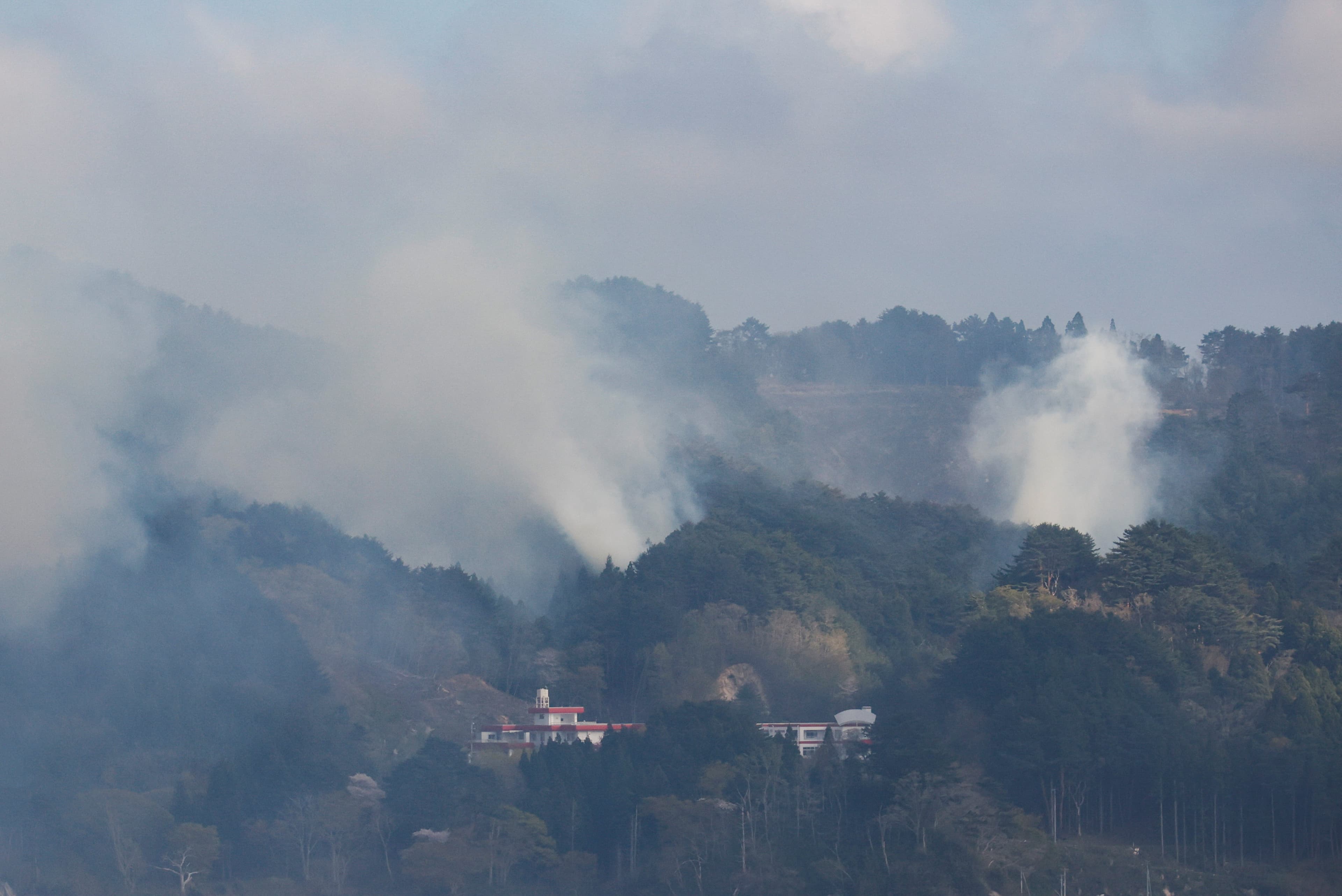
- Wildfire Intensity: Fires have escalated to a crisis level requiring Indian Air Force intervention.
- Affected Areas: Parsons Valley, Pykara, Singara, Masinagudi ranges, and Wenlock Downs are the worst-hit.
- Fire Season: Fires typically occur from February to May, peaking significantly in April due to high temperatures and strong winds.
Causes of Wildfires
Environmental Factors:
- High Temperatures and Winds: Created a conducive environment for fire spread.
- Accumulated Biomass and Invasive Underbrush: Lead to more intense and longer-burning fires, particularly in Pykara.
Human Activity:
- Traditional Practices: Tribes gather wood for brooms and herders burn dry grassland for fodder. Both practices contribute to fire risk yet are integral to local livelihoods.
- Accidental Causes: Discarded smoking materials and recent uncontrolled burns conducted by Kerala forest staff without coordination with Tamil Nadu.
Deliberate Ignition: Suspicions arise regarding the possibility of fires set intentionally due to unresolved local grievances regarding wildlife management.
Climatic Influences
- Climate Variability: Increased risks of fires are attributed to unusual weather patterns, further exacerbating the situation.
Responses and Preparations
Preventive Measures:
- In March, authorities initiated fire hazard management by establishing control rooms, firelines, and awareness campaigns.
- Efforts made to ensure wildlife access to water outside human-inhabited areas and to clear weeds.
Long-term Management: Effectively managing seasonal fires requires a shift from short-term responses to sustainable long-term planning, balancing traditional livelihoods with fire risk reduction.
Conclusion
Effective wildfire management in the Nilgiris involves navigating complex interactions between climate, human activity, and environmental management. Institutional coordination and community engagement are crucial for addressing the root causes and crafting sustainable alternatives.
Key Terms & Concepts
| Nilgiris | Region affected by wildfires |
| Indian Air Force | Assisted in firefighting |
| Parsons Valley | Worst-hit area |
| Pykara | Affected area with intense fires |
| Controlled burn | Alleged cause of wildfire spread |
| Climate variability | Impact on fire risk levels |
| Traditional practices | Linked to fire risk |
| Fire season | February to May timeframe |
| Kerala | Adjacent state involved in controlled burn |
| Forest Department | Agency managing forest fires |
| Firelines | Preparedness strategy |