iAspirants
Women's Contribution in Agriculture Recognized
Published on:
Share this post
Article Summary
Exam-Focused Notes on Women in Agriculture and Economic Participation
International Observance
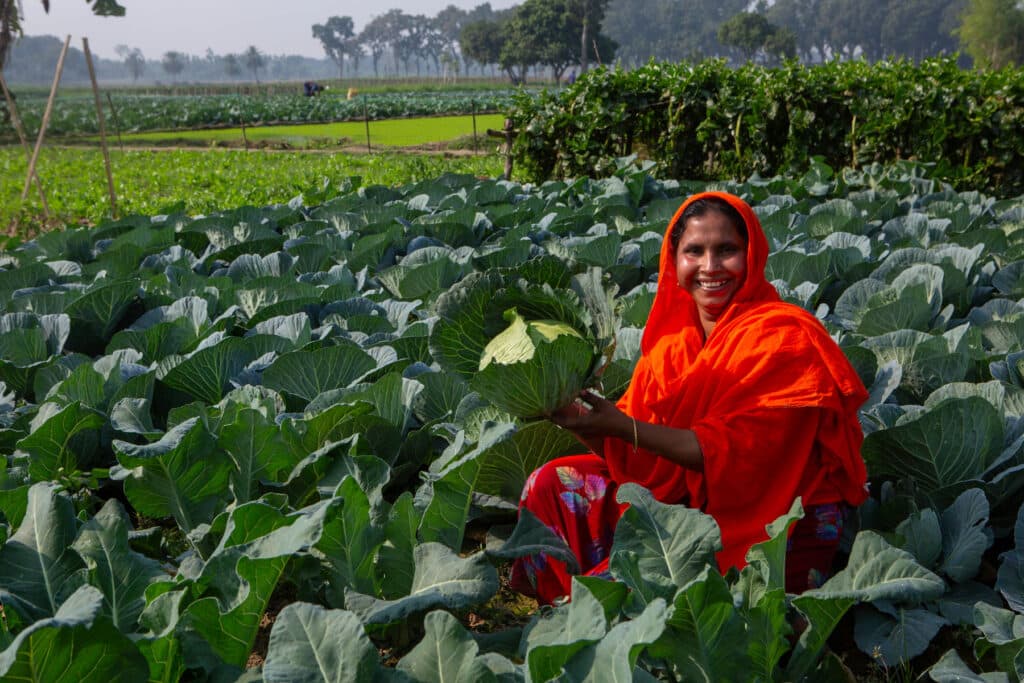
- International Year of the Woman Farmer: Declared by the United Nations Food and Agriculture Organization to honor the contributions of women in agriculture.
Labour Force Participation
- Rural women's workforce participation rose from 35% in 2011-12 to 46.5% in 2023-24 among females aged 15 years and above.
- International average participation for women is around 57%-63%.
Employment Statistics
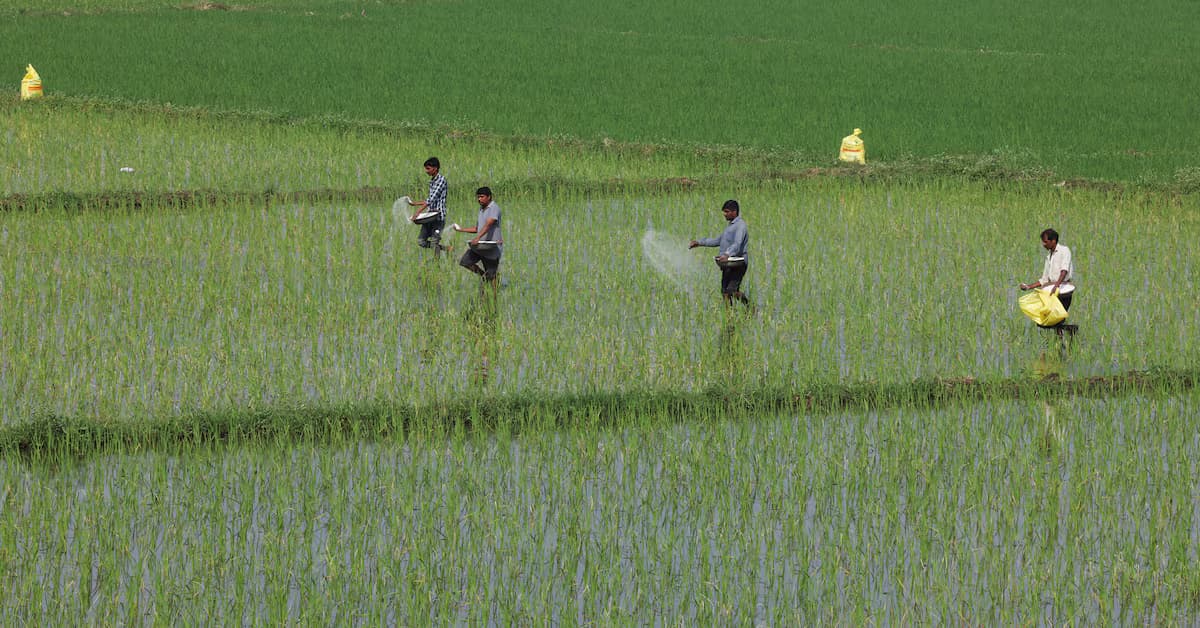
- 117.6 million women work in agriculture (2023-24):
- 21.7 million hired workers
- 95.1 million self-employed
- 0.8 million regular workers
- 60% of rural women were classified as self-employed in 2011-12; this increased to 73% in 2023-24.
- Share of self-employed women in agriculture increased from 48% to 62%; nearly 47.2% of self-employed agricultural workers are women.
Wage Disparities
- Women in agriculture earned less than ₹300 per day.
- Gender wage gap persists, with women's daily wages being approximately ₹290 compared to men's higher wages.
- Average daily wage for women in agriculture across India as of November 2025: ₹384.
- Women workers in agricultural roles earn about 40% of men's wage, with Kerala reporting the highest at ₹646.
Economic Contribution by Sectors
Crop Production:
- Women accounted for one-third of family labor, with major contributions in two Tamil Nadu villages (61% and 57%).
- Crop production income is low, averaging under ₹24,000 annually in Tamil Nadu.
Livestock Rearing:
- Women are the primary workforce in this sector, dedicating an average of 2 hours per animal reared.
- Approximately 40 million rural households own milch animals, indicating significant female involvement.
Wage Labour:
- Women make up between 16% and 71% of casual labor in crop production, varying by region.
- Demand for labor has decreased due to mechanization.
Legal Framework and Status
- Limited data available on women's earnings in livestock.
- Only 10% of rural women own land, highlighting property ownership disparities despite their significant workforce contributions.
Key Findings
- Rural women constitute about half of the agricultural workforce in India.
- Women's roles remain underappreciated and poorly documented in official statistics.
- Continued efforts are needed to ensure women receive fair wages and recognition for their labor contributions.
Conclusion
Women play a critical role in sustaining agriculture in India yet face considerable challenges such as underrepresentation, low wages, and lack of land ownership. There is a pressing need for better data collection and policy measures to enhance their status and rights as agricultural workers.
Key Terms & Concepts
| International Year of the Woman Farmer | Recognized by UN as significant |
| 46.5% | Women's workforce participation in 2023-24 |
| 35% | Women's workforce participation in 2011-12 |
| 1.7 million | Number of hired women workers |
| 117.6 million | Total women working in agriculture |
| 70% | Share of self-employed women in 2023-24 |
| 60% | Self-employed women in agriculture in 2011-12 |
| ₹290 | Daily wage for women workers |
| ₹384 | Average daily wage for women (all-India) |
| ₹646 | Highest daily wage in Kerala |
| 2018-19 | All India Debt and Investment Survey |
| less than ₹16,000 | Average income from crop production |
| 10% |