iAspirants
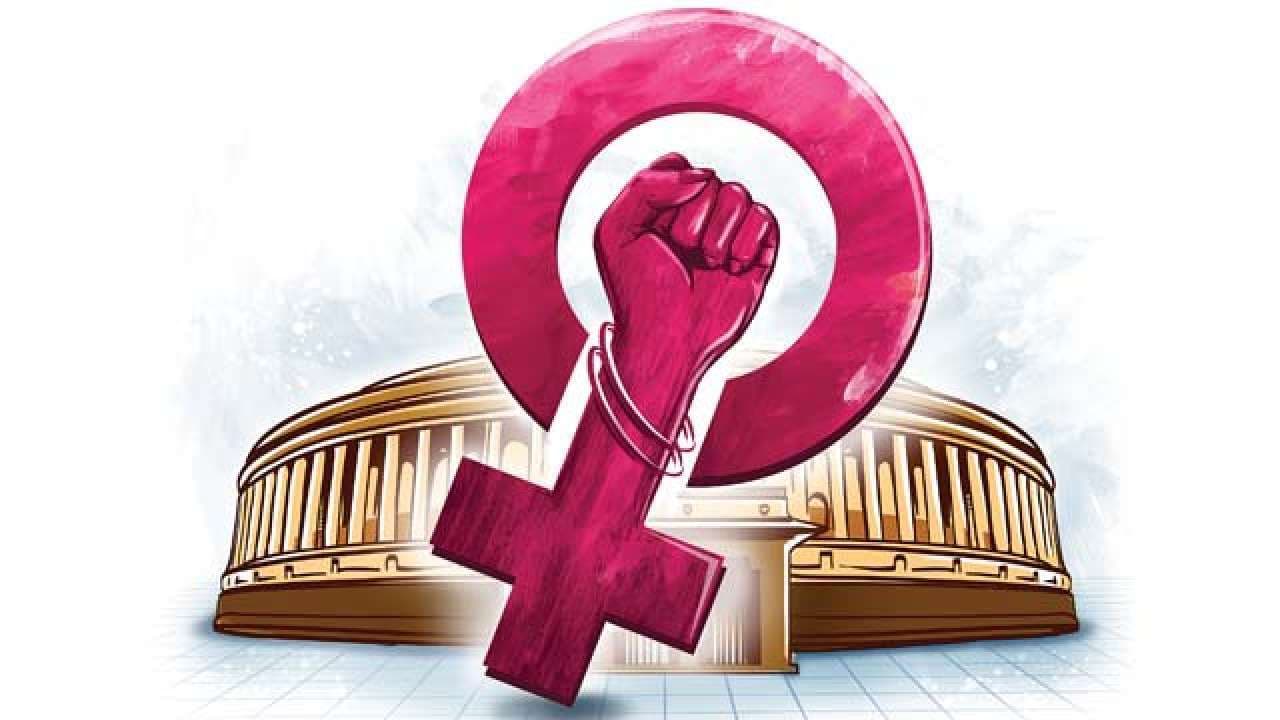
Women's Reservation Act Empowers Legislatures
Published on:
Share this post
Article Summary
Key Points from the Nari Shakti Vandan Adhiniyam (Women’s Reservation Act) 2023:
Constitutional References:
- Women’s Reservation Act 2023: Guarantees 33% reservation for women in the Lok Sabha and State Legislatures.
- Reflects the evolving trajectory of Indian democracy, emphasizing representation, equality, and inclusion.
Legislative Impact:
- The Act is viewed as a significant structural innovation intended to enhance the resilience of India's constitutional framework.
- It aims to deepen democracy by expanding the social base for political authority, potentially rearranging political party structures.
Political Context:
- Historically dominated by dynasty politics, caste considerations, and patriarchal networks, the Act intends to challenge and transform these norms.
- Encourages political parties to focus on discovering and nurturing talent rather than merely aiming to win elections.
Broader Governance Implications:
Increased representation of women is expected to diversify legislative debates, particularly around topics such as:
- Domestic violence
- Childcare infrastructure
- Public sanitation
- Access to public services
Greater inclusion of women in politics is predicted to shift discussions from peripheral "soft issues" to central political matters.
Shift in Democratic Approach:
- Represents a transition from procedural democracy (focusing on structures and processes) to deliberative democracy (emphasizing the quality of debates and arguments).
- The Act is viewed as a mechanism to enhance the effectiveness of governance by incorporating diverse lived experiences into legislative discussions.
Additional Context:
- The Act may influence the upcoming Census 2027 and subsequent delimitation processes by potentially reframing how representation is considered and calculated.
Conclusion:
- The Women's Reservation Act 2023 is positioned as a transformative measure to secure women's participation in Indian political life, thereby acknowledging their role in reinforcing democratic values and practices. Its passage is seen as critical in reshaping political discourse and governance in India.
Key Terms & Concepts
| Nari Shakti Vandan Adhiniyam | Guarantees 33% reservation for women |
| Lok Sabha | Lower house of Parliament |
| State Legislatures | Regional legislative bodies |
| 33% | Proportion of women's reservation |
| constitutional order | Framework for governance |
| democracy | Political system affected |
| public sanitation | Governance issue addressed |
| domestic violence | Governance issue addressed |
| childcare infrastructure | Governance issue addressed |
| Census 2027 | Upcoming demographic assessment |