iAspirants
Women's Rights in Agriculture and Nutrition
Published on:
Share this post
Article Summary
Exam-Focused Summary of International Women’s Day and Women in Agriculture
Date of Significance: March 8, 2026, is marked as International Women’s Day, with the theme highlighting women’s rights and justice.
International Year of the Woman Farmer (2026): This year also focuses on recognizing the contributions of female farmers globally.
Key Issues
Legal Reforms and Land Ownership:
- Despite reforms for equal inheritance rights, land/property is predominantly registered in men's names.
- Women face significant barriers in accessing land due to social norms, patrilineal practices, and legal limitations.
Access to Resources:
- Women’s lack of formal recognition as farmers results in systemic barriers to accessing credit, crop insurance, and support services.
- Many flagship programs require asset documentation, which many women do not possess.
Nutritional Deficiencies and Health:
- High burden of malnutrition among women, especially regarding anemia and micronutrient deficiencies. Persistent undernutrition leads to intergenerational issues such as low birth weights and stunting in children.
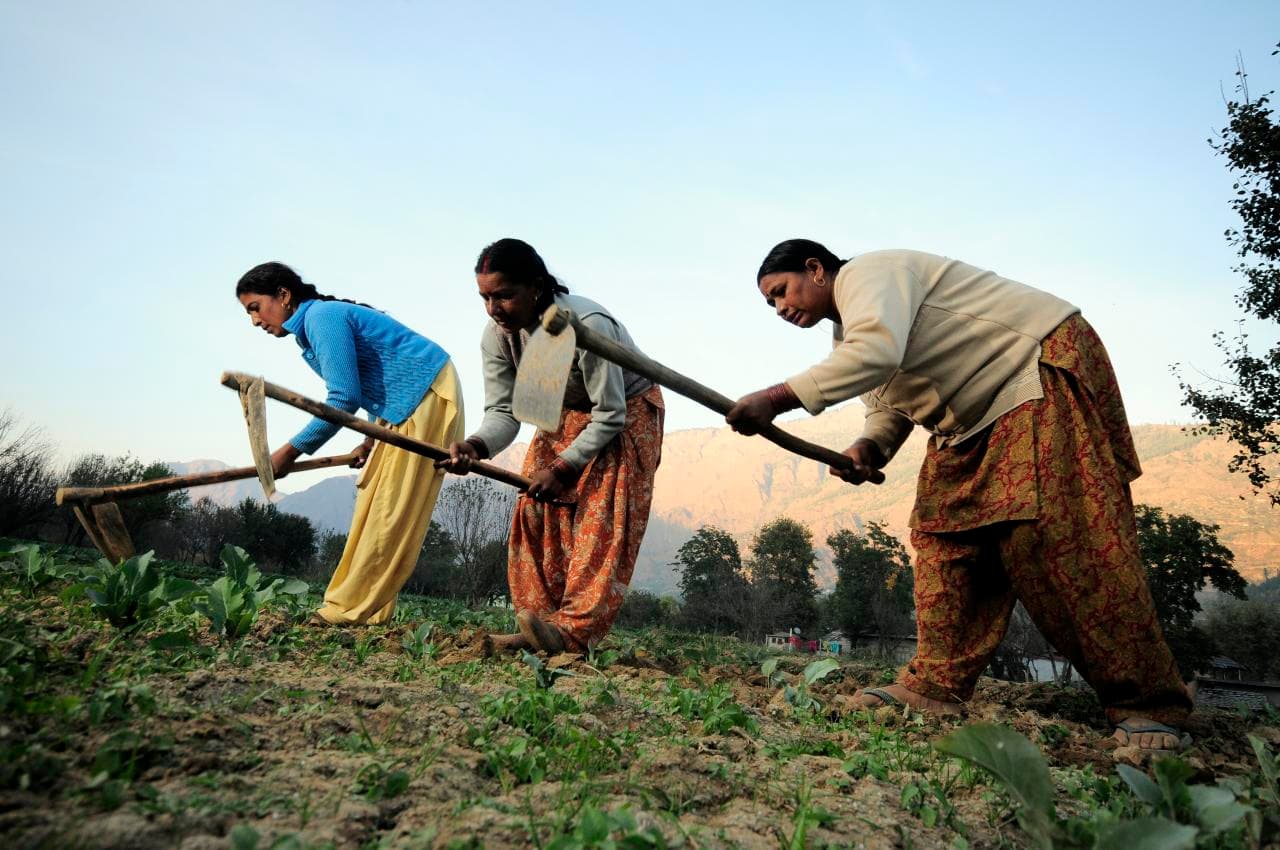
- Heavy agricultural workloads and lack of access to labor-saving technologies adversely affect women’s health and nutrition.
Government Framework and Policies
National Food Security Act:
- Provides a right-to-food framework ensuring subsidized food and nutritional support for vulnerable populations, including pregnant and lactating women.
Gender-Transformative Approaches:
- Legal and Policy Recognition:
- Call for visibility of women farmers in regulations, including distinct identification beyond land ownership aligned with the National Policy for Farmers.
- Strengthened Land Rights:
- Emphasizes the importance of joint spousal titles, equal inheritance laws, and collective asset management to empower women farmers.
- Aligning Food Systems with Nutritional Goals:
- Policies should promote diverse and nutritious food cultivation and ensure proper distribution through public channels.
- Legal and Policy Recognition:
Recommendations for Women Farmers
Access to Technologies and Extension Services:
- Provision of labor-saving technologies to reduce physical burdens on women.
- Timely and tailored information regarding agricultural best practices is essential.
Community-Driven Approaches:
- Promoting initiatives such as kitchen gardens and women's seed banks can improve local food production and dietary diversity.
Empowerment through Knowledge:
- Equipping women with agronomic knowledge and rights can make them influential in sustainable agricultural practices.
Improving Access to Safety Nets:
- Public Procurement Policies should incentivize cultivation of nutrient-rich foods by women farmers.
Institutional Support
- Organizations like the M.S. Swaminathan Research Foundation (MSSRF) and the World Food Programme (WFP) advocate integrating women in food security and social protection initiatives to improve community outcomes.
Conclusion
On this International Women’s Day, the emphasis lies on actualizing the rights and agency of women farmers. Recognition of their status, provision of rights to land and resources, and alignment of food nutrition policies with agricultural practices are essential for fostering equality and resilience in Indian agriculture.
Key Terms & Concepts
| International Women’s Day | Global awareness campaign |
| International Year of the Woman Farmer | Significant observance in 2026 |
| National Food Security Act | Food security framework |
| M.S. Swaminathan Research Foundation | Research organization for agriculture |
| World Food Programme | Global food assistance body |
| gender-disaggregated data | Data collection necessity |
| equal inheritance rights | Legal reform needed |
| Public Distribution Systems | Food distribution mechanism |
| nutri-cereals | Key agricultural focus |
| climate-resilient technologies | Sustainable farming tools |
| anaemia | Health issue affecting women |
| malnutrition | Public health concern |