iAspirants
Women's Safety and Representation Issues
Published on:
Share this post

Article Summary
Exam-Focused Notes
Constitutional References:
- Gender Equality: The Indian Constitution guarantees equal rights in Article 14 (Right to Equality) and Article 15 (Prohibition of Discrimination on grounds of religion, race, caste, sex, or place of birth).
Judicial Representation:
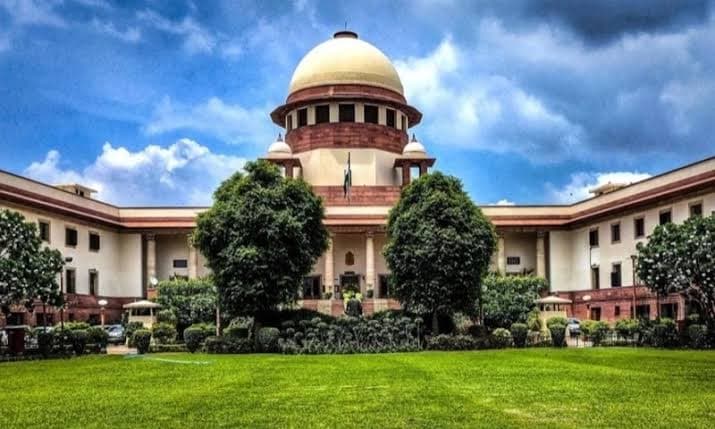
- The India Justice Report 2025 indicates only 14% of judges in High Courts and 3.1% in the Supreme Court are women, highlighting significant gender disparity in the judiciary.
Crime Data:
- In West Bengal, from 2017-2023, only 20% of crimes against women ended in conviction, suggesting a serious concern regarding women's safety and legal justice.
Government Policies & Schemes:
- Mamata Banerjee, Chief Minister of West Bengal, emphasized the necessity of private medical colleges ensuring the safety of female students, especially regarding curfews for their movements at night.
Economic Participation:
- Pooja Chauhan, an ironing worker, exemplifies women's agency through economic contributions and financial control within the household, reflecting on the importance of women's empowerment in economic decision-making.
Health Concerns:
- The Zero Mercury Working Group report revealed dangerous mercury-added skin lightening products (SLPs) available on platforms like Amazon, with 7 out of 8 evaluated products in India containing high levels of mercury.
Gender and Societal Issues:
- The struggle for women’s representation and safety is underscored by the societal backdrop where women's voices often go unheard until tragedies occur. The ongoing conversation on issues such as sexual violence and the importance of women’s visibility in public life is pivotal.
Historical & Cultural Context:
- The influence of women’s changing fashion on social norms goes back to the late 1800s during the suffragette movement, emphasizing shifts in gender roles and the evolving image of women in society.
Feminism:
- Personal is Political: A core tenet of second-wave feminism stresses how personal choices reflect broader socio-political issues, as articulated by Simone de Beauvoir and Betty Friedan.
Conclusion:
- Current data indicates a need for enhanced safety protocols for women, increased judicial representation, and better societal recognition of women’s roles to combat gender-based discrimination and violence. Economic sustainability and personal agency for women are critical for addressing systemic issues effectively.
Key Terms & Concepts
| Devla Bai Patel | Advocate for environmental protection |
| Chhattisgarh | Location of illegal tree cutting incident |
| Kolkata | City with rising women safety issues |
| India Justice Report 2025 | Reports judicial gender disparity |
| Supreme Court | Only 3.1% women judges |
| High Courts | Only 14% women judges |
| Zero Mercury Working Group | Reported illegal skin lightening products |
| Toxics Link | Conducted product safety research |
| Simone de Beauvoir’s 'The Second Sex' | Foundation of second-wave feminism |
| Betty Friedan’s 'The Feminine Mystique' | Highlighted women's dissatisfaction |
| Mamata Banerjee | Chief Minister addressing women's safety |
| Pooja Chauhan | Represents working women's struggles |