iAspirants
Writing as Activism and Resistance
Published on:
Share this post
Article Summary
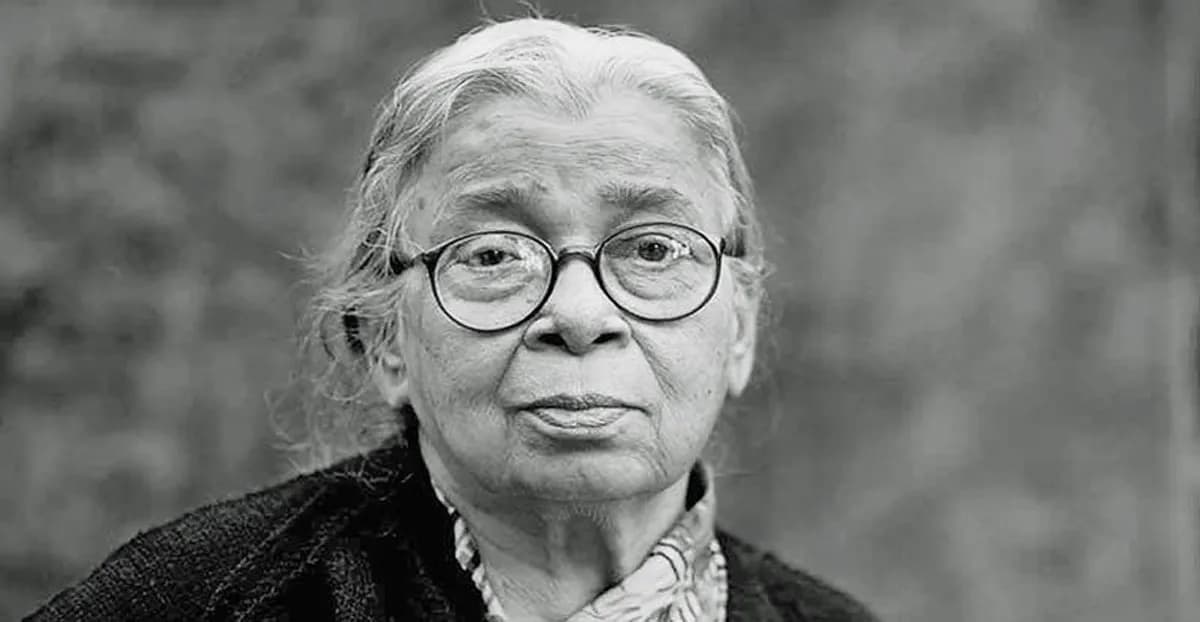
The provided text focuses on the life and philosophy of the writer Mahasweta Devi, emphasizing her activism, writing style, and relationships. Below are the relevant exam-focused notes summarizing key themes, facts, and insights without irrelevant details:
Key Insights on Mahasweta Devi
Writing Philosophy:
- Described as an act of "intimacy" and "surrender," reflecting a profound immersion in language.
- Writing viewed as a means of activism, reflecting personal and societal struggles.
Activism:
- Mahasweta Devi was deeply involved in advocating for the tribal community, often engaging in direct actions like confronting police on their behalf.
- Recognized characters in her writing as having autonomy to dream and choose their own fates.
Personal Experience:
- Her life experiences shaped her fiction, creating a "literature of resistance."
- Advocated for traits of resilience and engagement in societal issues, challenging the notion of "good people."
Philosophical Views:
- Emphasized the importance of belief and the costs of betrayal.
- Maintained a connection to old values, believing that the struggle for beliefs and identities is essential.
Literary Contributions:
- Merged her daily life with fiction, presenting a spectrum of human experiences—tribal and non-tribal.
- Wrote for newspapers, focusing on investigative journalism, enhancing her narratives.
Later Life:
- Faced cognitive decline in her later years, which impacted her engagement in public life and writing.
- Despite challenges, continued to reflect on her past experiences and societal observations.
Cultural Dialogue:
- Described meetings with a friend, fostering an environment of creativity and encouragement for consistent writing.
- Engaged in dialogue about mortality and societal conditions, emphasizing perseverance in the face of life's complexities.
Literature and Memory:
- Reflective discussions on memory and its impact on personal identity and narrative.
- Acknowledged the repetitive nature of life experiences and the nuances of recollection.
Conclusion
Mahasweta Devi stands out not only as a writer but also as a significant figure in cultural and social activism. Her approach intertwines literature with activism, providing a voice for marginalized communities and embodying the struggles and aspirations inherent in their experiences. Her legacy continues to inspire discussions on social justice, personal agency, and the transformative power of writing.
Key Terms & Concepts
| Mahasweta Devi | Influential writer and activist |
| Jaipur Literature Festival | Event highlighting literature |
| Naxalite | Group advocating for rights |
| Seagull Books | Publisher of literature |
| tribal community | Subject of activism |
| investigative writing | Form of journalistic writing |