iAspirants
Youth Protests Highlight Democratic Concerns
Published on:
Share this post
Article Summary
Summary Notes on the Protests and Constitutional Context in India
Constitutional References:
- Fundamental Rights: Article 19(1)(a) guarantees the right to freedom of speech and expression, allowing citizens to protest peacefully.
- Accountability: Article 21 ensures the right to life and personal liberty, which may be infringed upon by excessive use of force during protests.
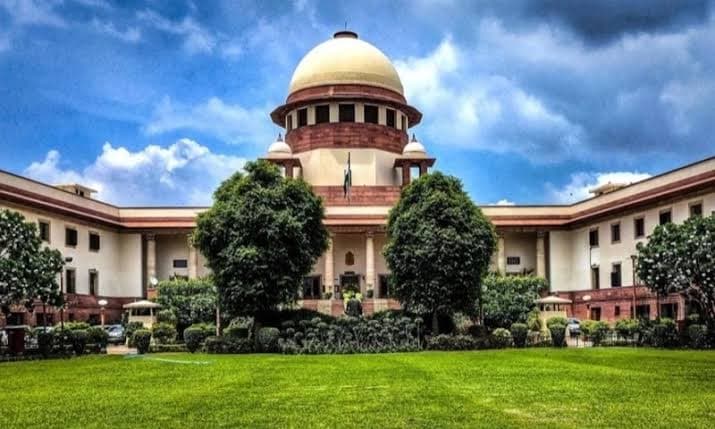
- Supreme Court Rulings: Cited precedents include the Ramlila Maidan case, emphasizing the need for proportionality in the use of force during protests.
Key Events:
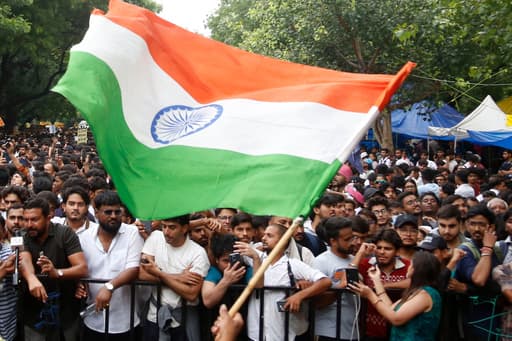
- Protests erupted on July 20, 2026, primarily led by students advocating for reforms in the education system and demanding the resignation of the Education Minister due to a series of paper leaks affecting their examinations and future prospects.
Government Schemes and Policies:
- Education Reforms: There is a demand for reforms within the education sector, particularly around the transparency and integrity of examination processes. The government is urged to engage in dialogue and address these concerns responsibly.
- Calls for improved oversight and policies that guard against systemic failures in the education system.
Issues Raised:
- Incidents of excessive police force against peaceful protesters are a major concern, with calls for investigations to ensure accountability for the actions of law enforcement.
- A significant number of reported examination irregularities have taken place, including issues concerning:
- UPTET (Uttar Pradesh Teacher Eligibility Test)
- REET (Rajasthan Eligibility Examination for Teachers)
- Rajasthan Police Recruitment
- AIIMS Nursing Officer Recruitment
- UGC-NET (University Grants Commission National Eligibility Test)
- NEET-UG (National Eligibility cum Entrance Test for Undergraduates)
- Maharashtra TET (Teacher Eligibility Test)
Economic and Social Impact:
- The ongoing examination scandals have not only undermined the credibility of educational qualifications but also have broader implications on the mental well-being and futures of countless students and their families, described as “shattered faith” and “broken dreams”.
Public Sentiment:
- The protests reflect a growing discontent among the youth, who feel their aspirations are not being adequately addressed by the government.
- There is an urgent call for the government to protect the welfare of its youth and reinforce public trust through accountability, reassurance, and meaningful reforms.
Conclusion
The developments of July 2026 indicate a critical juncture in India’s democratic process, where the intersection of student activism, accountability, and constitutional rights must be navigated carefully to strengthen the foundational values of democracy.
Key Terms & Concepts
| July 20, 2026 | date of significant protests |
| Supreme Court | oversaw important judgments |
| Ramlila Maidan case | landmark legal case |
| UPTET | test affected by irregularities |
| REET | test affected by irregularities |
| Rajasthan Police recruitment | test affected by irregularities |
| AIIMS Nursing Officer recruitment | test affected by irregularities |
| UGC-NET | test affected by irregularities |
| NEET-UG | test affected by irregularities |
| Maharashtra TET | test affected by irregularities |
| education system reforms | demands from protesters |
| fundamental rights | constitutional guarantees |