iAspirants
Addressing Air Pollution in India
Published on:
Source: Indian Express
Share this post
Article Summary
Air Pollution in India: An Examination of Sources and Solutions
Current Status and Challenges
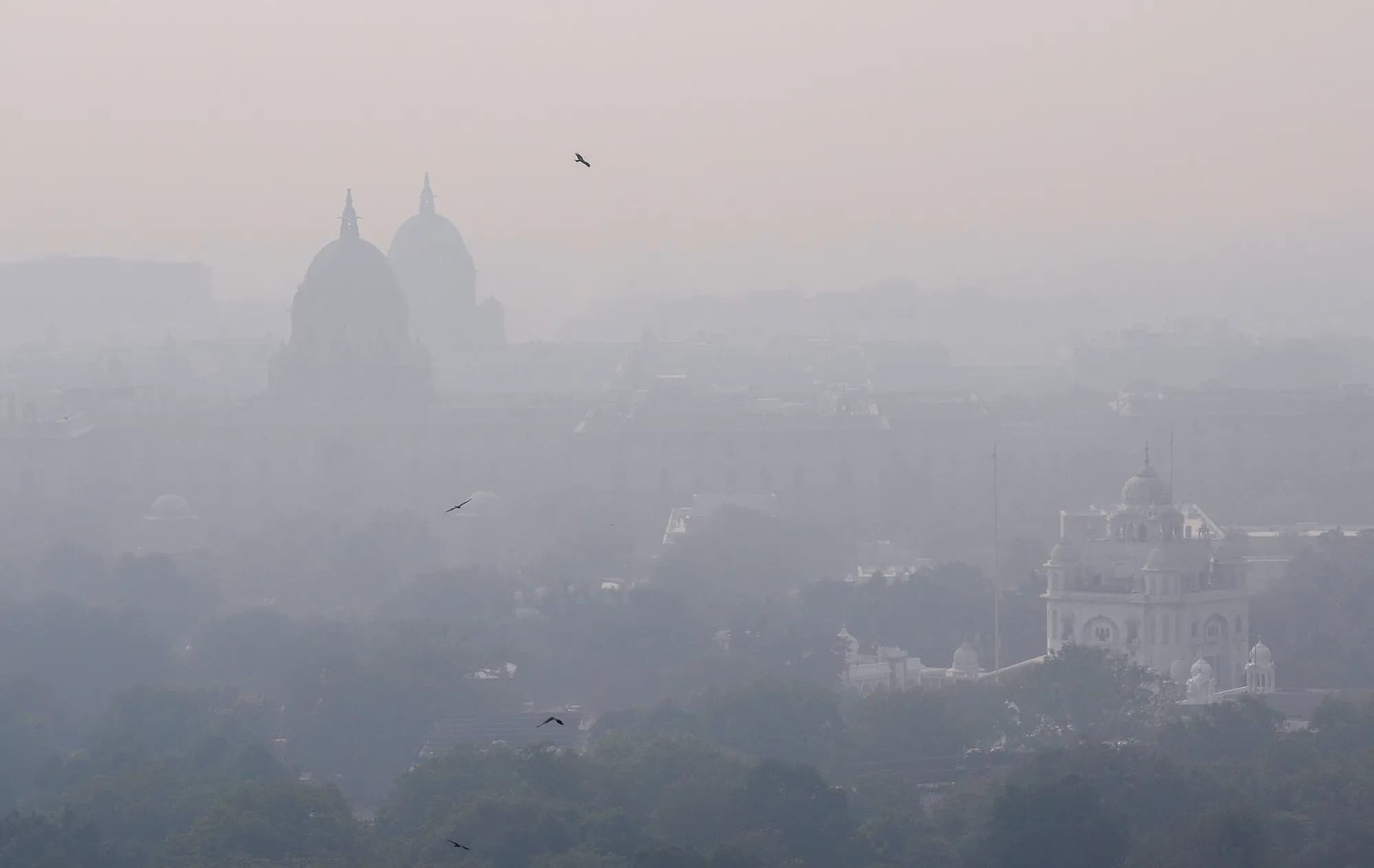
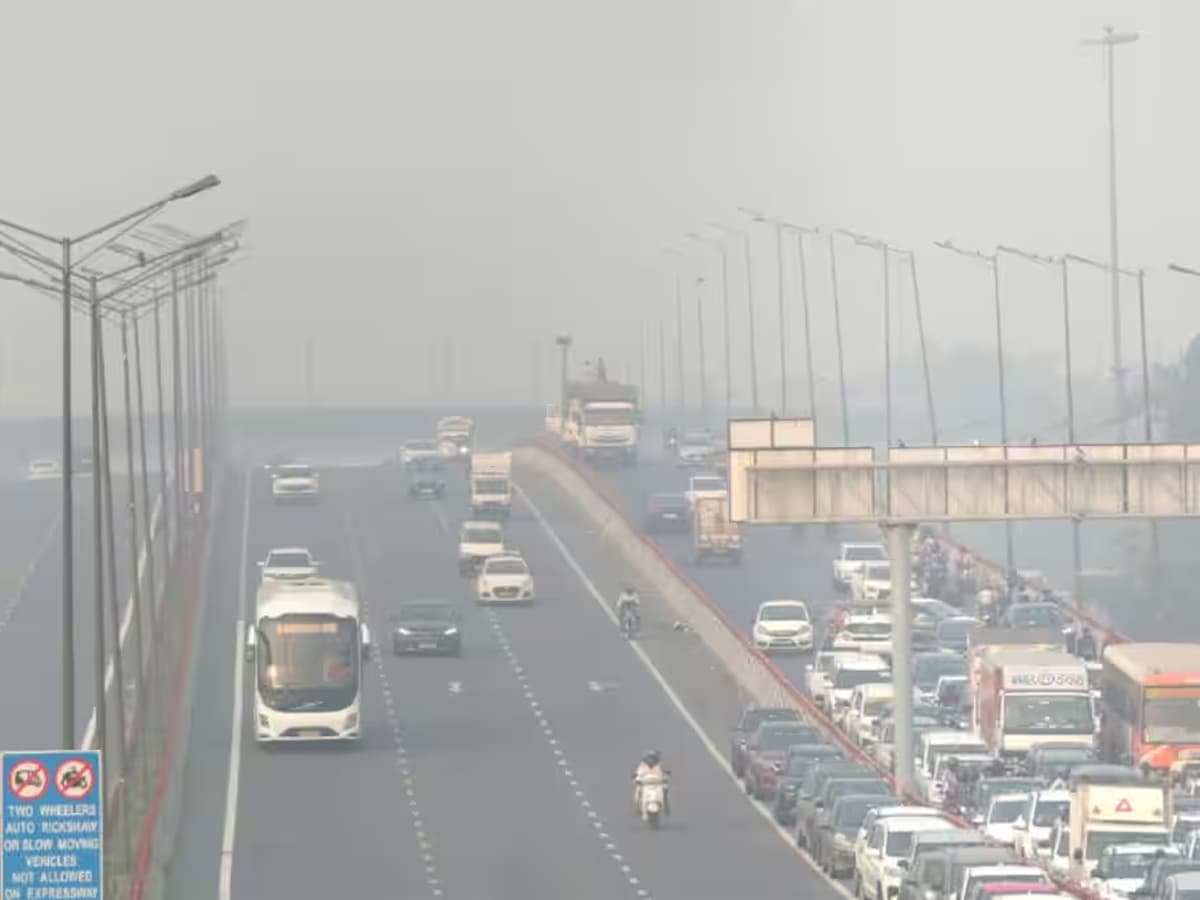
- Air pollution is a significant issue across India, not limited to outdoor concentrations in Delhi NCR, particularly during winter months.
- Major pollution sources include:
- Fireworks and stubble burning.
- Solid fuels like firewood, dung cakes, and waste used for heating.
- Continuous emissions from transportation, household fuels, industries, power plants, and construction activities.
Recognized Contributing Factors
- Adverse winter meteorology exacerbates pollution levels; however, weather does not create emissions but affects their dispersion.
- Current approaches highlight a need for dual actions:
- Reducing number of emission sources.
- Lowering emissions from remaining sources.
Necessary Actions
- Transition to reliable public transport and reduction of private vehicle dependence.
- Access to clean cooking and heating options.
- Alternatives to agricultural residue burning.
- Systematic municipal waste management and robust industrial regulation.
Importance of Research and Monitoring
- Ongoing uncertainties regarding source contributions and atmospheric chemistry necessitate sustained investment in scientific research and monitoring infrastructure.
- Effective pollution monitoring must account for personal exposure, especially in vulnerable communities using solid fuels for cooking, contributing significantly to household pollution.
Institutional Involvement
- Solutions must be comprehensive, including:
- Engagement from agricultural economists, urban planners, social scientists, and public health experts.
- Political commitment and long-term investment to tackle pollution at systemic levels.
- Addressing social attitudes towards practices like firecracker use requires community involvement beyond technical enforcement.
Expertise in Problem-Solving
- Recognizing diverse expertise beyond traditional scientific communities is crucial for comprehensive solutions.
- Technological fixes, while attractive, cannot replace long-term strategies such as enhancing waste management and ensuring clean energy access.
- Critical evaluation of proposed technological interventions (e.g., smog towers, artificial rain) is necessary to avoid ineffective spending of public resources.
Priority Areas for Action
- Immediate needs include enhancing air quality through improved transport systems, better energy practices, and rigorous waste management.
- Targeting the highest exposed populations such as street vendors, sanitation workers, and women engaged in domestic cooking is essential for effective intervention.
Conclusion
- The path to cleaner air necessitates integrating scientific insights with actionable policy, community engagement, and robust governance structures capable of instituting long-term changes.
- The emphasis should be on practical solutions that tangibly reduce pollution rather than solely focusing on educational advancements or temporary technological fixes.
Key Terms & Concepts
| Delhi NCR | Region with severe air pollution |
| solid fuels | Main contributor to indoor pollution |
| agricultural residue burning | Seasonal source of pollution |
| public transport | Solution for emission reduction |
| municipal waste management | Key regulatory requirement |
| stubble burning | Controllable pollution source |
| IIT Delhi | Institution conducting research |
| AIIMS | Medical institution for health research |
| air pollution monitoring networks | Essential for policy formulation |
| construction workers | High exposure group |
| women using polluting fuels | Vulnerable exposure group |
| smog towers | Proposed technological intervention |