iAspirants
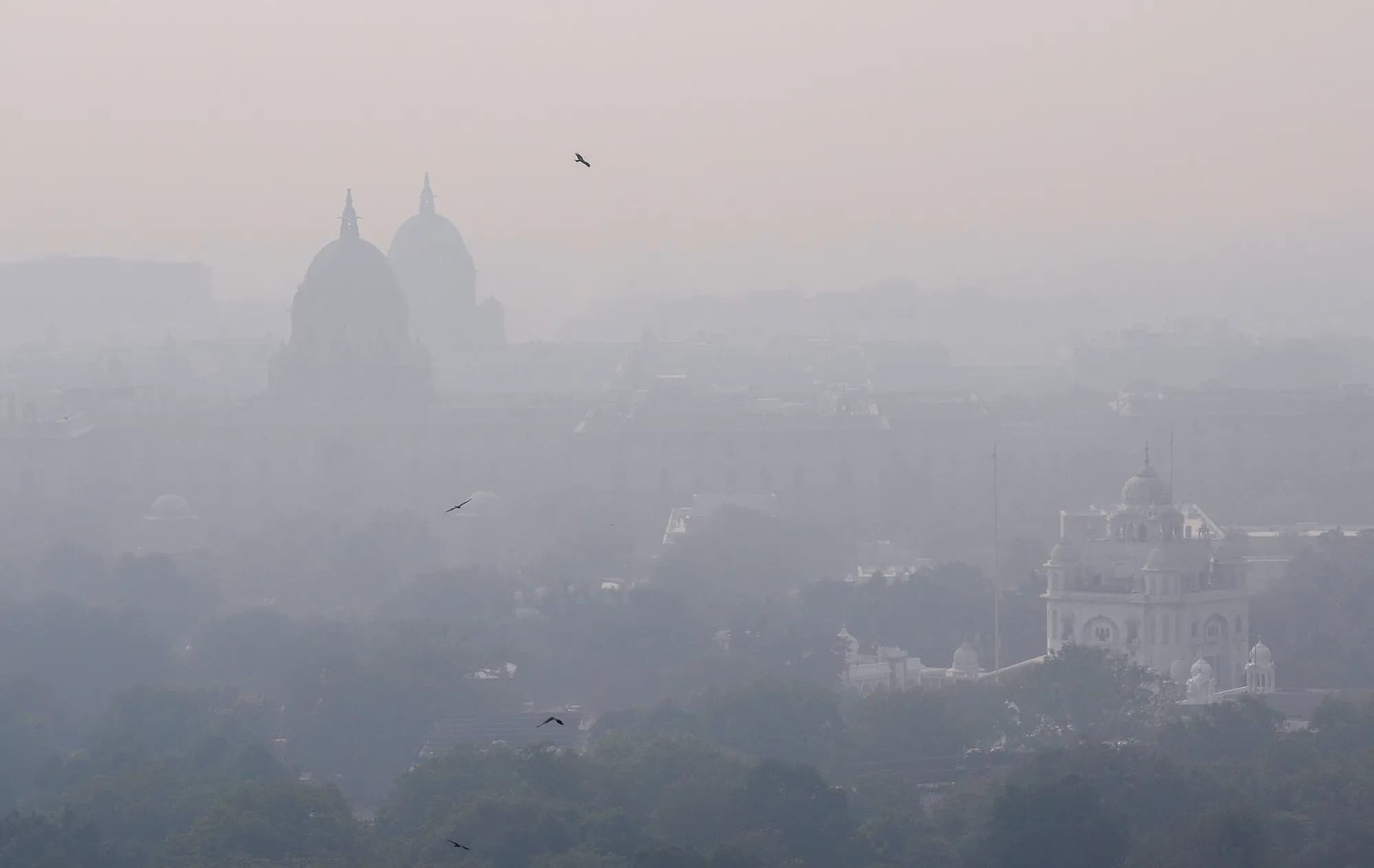
Air Pollution Crisis in India
Published on:
Source: Indian Express
Share this post
Article Summary
Air Pollution in India: Key Facts & Figures
Air Quality Index (AQI) Issues:
- Pollutants Measured: PM2.5, PM10, nitrogen dioxide, sulphur dioxide, carbon monoxide, ozone, ammonia, lead (CPCB metrics).
- Measurement Limitations: Current AQI values are capped at 500, potentially distorting actual pollution levels; extreme readings (e.g., PM2.5 at 3,744 recorded) are reduced to 380.
- Data Gaps: Significant absence of pollution readings during high-pollution events leads to misrepresentation of air quality status.
Health Impact Statistics:
- Mortality Data: Air pollution linked to 1.67 million deaths in 2019, rising to approximately 2 million in 2023.
- Health Conditions Associated: Over 66% of COPD deaths, 36% of stroke deaths, and 25% of heart disease deaths attributable to air pollution.
- Unique Findings: Biomass smoke identified as a major risk factor for COPD in non-smokers; rising anaemia cases in children associated with PM2.5 exposure.
Life Expectancy Concerns:
- Residents of Delhi could potentially gain 8 to 10 years of life if air quality meets WHO standards.
Policy Initiatives and Government Schemes:
- Pradhan Mantri Ujjwala Yojana: Aims to reduce biomass burning, encouraging cleaner cooking fuels.
- Vehicle Pollution Standards: Implementation required to improve air quality; rising vehicle numbers and lax regulations pose ongoing challenges.
- Electric Vehicle Transition: Emphasis on accelerating the shift towards electric vehicles as part of pollution reduction efforts.
Judicial and Legislative Considerations:
- Calls for judicial accountability to compel government action on air pollution laws and standards.
Public Apathy & Cooperative Solutions Needed:
- Notable public indifference towards the air pollution issue, paralleling attitudes towards climate change.
- Air pollution is a collective problem; solutions must include cross-border cooperation with neighboring countries (Pakistan, Nepal, Bangladesh).
Practical Measures and Recommendations:
- Decentralize vehicular usage through higher taxes and parking costs, promote affordable public transportation.
- Reinforce regulations against industrial pollution and waste burning, while pushing for efficient public transport integration.
Statistical Evidence of Public Health Risks:
- Exposure to PM2.5 significantly increases health risks, with impacts on hypertension and other chronic conditions confirmed through various studies.
Conclusion: India is facing an acute air pollution crisis with serious health implications and requires immediate and coordinated policy actions, stricter regulations, and active public engagement to improve public health and environmental conditions.
Key Terms & Concepts
| Diwali | Period of heightened air pollution |
| Indo-Gangetic plains | Geographical area affected by pollution |
| AQI | Air Quality Index measurement |
| PM2.5 | Major air pollutant particle type |
| PM10 | Air pollutant particle size category |
| 1.67 million | Deaths attributed to air pollution (2019) |
| 2 million | Projected air pollution deaths (2023) |
| WHO | World Health Organization air quality guidelines |
| Pradhan Mantri Ujjwala Yojana | Government scheme for cleaner fuel use |
| Lancet Commission | Report linking air pollution to health risks |
| COPD | Chronic obstructive pulmonary disease linked to pollution |
| November 9 | Significant date for pollution readings |