iAspirants
Current AffairsPrelims PYQsUPSC CSE SyllabusUPSC CSE StrategyBlogsPricing
Login
iAspirants

Your AI-powered companion for UPSC preparation.

Quick Links

  • Home
  • About Us
  • Current Affairs
  • Prelims PYQs
  • UPSC CSE Syllabus
  • UPSC CSE Strategy
  • Blogs

Company

  • Pricing
  • FAQs
  • Contact Us
  • Login

Legal

  • Privacy Policy
  • Terms & Conditions
  • Return Policy

© 2025 iAspirants, Inc. All rights reserved.

  1. Blogs
  2. Indian and World Geography

Ancient Maya Site Revealed in Mexico

Published on: 23-Nov-2025

Share this post

Ancient Maya Site Revealed in Mexico

Article Summary

Summary of Key Findings from Aguada Fénix Discovery in Mexico

Archaeological Significance

  • Site Overview: Aguada Fénix, a prehistoric site in Tabasco, Mexico, is estimated to be 3,000 years old and is believed to be a cosmogram representing the universe.
  • Structure Details: Features large cross-shaped pits (cruciforms) interconnected by canals, with a combined volume of over 3.8 million cubic meters (equivalent to 1,500 Olympic swimming pools or 1.5 Pyramids of Giza).
  • Identification Technique: The site was discovered using LiDAR (Light Detection and Ranging) technology.

Cultural Insights

  • Symbolism: The site includes pigments corresponding to the four cardinal directions:
    • North: Blue azurite
    • South: Yellow ochre
    • East: Green malachite
    • West: Pearly seashells
  • Architectural Implications: The design demonstrates a physical embodiment of how early societies understood and organized their world, governed by cardinal directions.

Construction Dynamics

  • Labor: Approximately 1,000 workers over several years were necessary for the construction, indicating a significant communal effort rather than a hierarchical one.
  • Social Structure: The absence of palaces, tombs, or a centralized ruling class contrasts sharply with later Maya cities, suggesting a cooperative society that emphasized social equality and communal rituals.

Artifacts and Iconography

  • Sculptures: Discovery of jade sculptures, predominantly of animals and a notable one depicting a woman giving birth.
  • Cultural Reflection: Unlike typical representations of deities or rulers, the figures seem to celebrate natural events and daily life, indicating a cultural focus on egalitarian values.

Research Implications

  • Community and Gender Roles: The findings provoke questions about the potential leadership roles of women in these early societies, as evidenced by the “jade woman” sculpture, hinting at a more nuanced social structure than previously understood.
  • Future Research Directions: Continued excavations and studies may reveal deeper insights into social equality and the complexities of the cultural dynamics of the people who constructed Aguada Fénix.

Summary Notes

  • Historical Context: Aguada Fénix contributes significantly to understanding early Maya civilization, their social organization, and perspectives on the natural and celestial world.
  • Current Academic Work: Research published in Science Advances highlights the need for further archaeological exploration to clarify the interplay between social dynamics and construction practices in early Mesoamerican societies.

These findings reflect the rich historical and cultural legacy of the early Maya and indicate a thought-provoking model of communal governance and societal organization that may redefine perceptions of pre-colonial civilizations in Mesoamerica.

Key Terms & Concepts

Aguada FénixPrehistoric site discovery
3,000 yearsAge of the site
University of ArizonaInstitution conducting research
LiDARAirborne laser scanning technology
cruciformStructural shape of pits
3.8 million cubic metresVolume of structures
1,500 Olympic swimming poolsVolume comparison
bright blue azuriteNorth direction symbolism
yellow ochreSouth direction symbolism
green malachiteEast direction symbolism
pearly seashellsWest direction symbolism
Science AdvancesResearch publication
1,000 workers

Mind Map for UPSC Civil Services Revision

Turn UPSC Civil Services Current Affairs Into Exam-Ready Notes

Reading Indian and World Geography current affairs is half the work. Revise them with ready-made notes and test what actually stuck.

  • Daily UPSC Civil Services current affairs analysis
  • Revision notes, mind maps & MCQs
  • Prelims mock tests with instant results

Related UPSC Civil Services Current Affairs Articles

Understanding the Importance of Isthmus
Indian and World Geography07-Jun-2026

Understanding the Importance of Isthmus

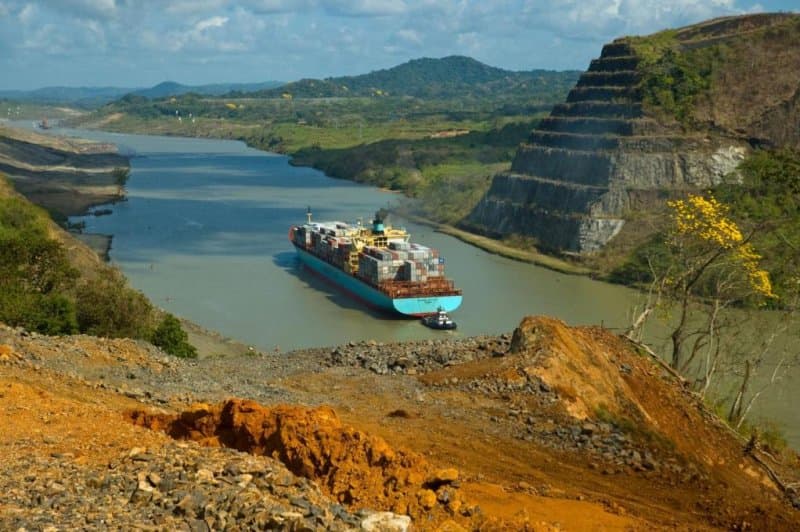
Exam-Focused Notes on the Panama Canal

Geographic and Historical Context

  • Isthmus Definition: A narrow strip of land connecting two larger landmasses, surrounded by water on both sides. Example: Isthmus of Panama (77 km long).
  • Great American Biotic Interchange (GABI): Historical migratory events facilitated by the Isthmus of Panama.
Estimated workforce for construction
jade sculpturesArtifacts discovered at site

Engineering and Construction

  • Panama Canal: Initiated in 1903, revolutionized global shipping since its opening on August 15, 1914.
  • Ferdinand de Lesseps: French engineer behind the initial Suez Canal, later attempted Panama Canal but failed.
  • Adolphe Godin de Lepinay: Proposed a lock-based canal system, which the U.S. ultimately adopted.
  • Construction Challenges: Tropical diseases like yellow fever and malaria, harsh working conditions resulted in significant mortality during construction.

U.S. Involvement and Legal Framework

  • Treaty: Hay–Bunau-Varilla Treaty (November 18, 1903) allowed U.S. construction and control of the canal.
  • Theodore Roosevelt: Recognized as the "father of the Panama Canal.” Key accomplishments include the establishment of the Panama Canal Zone and acquisition of French assets.

Operational Milestones

  • First Passage: The first ocean-going vessel (S.S. Ancon) transited the canal on August 15, 1914.
  • Control Timeline:
    • 1914-1979: Exclusively U.S. controlled.
    • 1979-1999: Shared control.
    • Post-1999: Full control reverted to Panama.

Economic Significance

  • Over 1 million vessels have transited since 1914, averaging 10 hours for crossing.
  • Trade Efficiency: Savings of up to 15,000 km for vessels traveling from U.S. east to west coasts, versus circumventing South America via Cape Horn.
  • Current operational capacity strained, leading to increased tariffs and wait times due to rising traffic linked to geopolitical tensions (e.g., disruptions in the Strait of Hormuz).

Strategic Importance

  • The Panama Canal is pivotal for international trade, especially given the current geopolitical climate and its impact on global shipping routes.

Environmental Considerations

  • Highlighted the importance of managing tropical diseases during construction.

Summary

The Panama Canal represents a monumental achievement in engineering, impacting global trade routes since its completion. The U.S. involvement not only reflects historical geopolitical maneuvers but also significant diplomatic agreements that shaped Panama's autonomy and trade capabilities. The canal continues to play a crucial role in international shipping and economic efficiency.

Discovery of Aguada Fénix in Mexico
Indian and World Geography24-Nov-2025

Discovery of Aguada Fénix in Mexico

Summary of Key Findings on Aguada Fénix Archaeological Site

  • Location: Aguada Fénix, situated in Tabasco state, Mexico's Gulf Coast.

  • Historical Significance:

    • Estimated to be 3,000 years old.
    • Believed to represent a cosmogram—a geometric representation of the universe by early Maya societies.
  • Structural Details:

    • Features a large cruciform (cross-shaped pit) that is part of several interconnected structures linked by canals.
    • The total volume of these structures exceeds 3.8 million cubic metres, comparable to over 1,500 Olympic swimming pools or nearly one-and-a-half Pyramids of Giza.
  • Research Methodology:

    • Discovered using Airborne Laser Scanning (LiDAR) by a research team from the University of Arizona.
  • Color Symbolism:

    • Pigments corresponding to the four cardinal directions:
      • North: Bright blue azurite
      • South: Yellow ochre
      • East: Green malachite
      • West: Pearly seashells
    • These findings are considered the oldest known examples of directional color symbolism in Mesoamerica.
  • Cultural Insights:

    • The structure reflects a non-hierarchical society with no evidence found of palaces, tombs, or centralized authority.
    • Suggests communal effort in construction involving at least 1,000 workers over several years, emphasizing cooperative society dynamics.
  • Archaeological Findings:

    • Jade sculptures primarily depict animals, with one representation suggesting a woman giving birth.
    • These artifacts indicate that themes of natural events and everyday life were more prominent than glorification of deities or rulers.
  • Implications for Social Understanding:

    • Aguada Fénix may provide insights on social equality and communal practices among early Mesoamerican societies.
    • Future excavations may deepen understanding of socio-economic disparities and cultural practices of its builders.
  • Publication Reference: New research findings are documented in the journal "Science Advances."

  • Expert Commentary:

    • Dr. James A Doyle (independent Maya specialist) emphasizes the importance of studying these structures to understand the organization and governance of early Maya societies.

This summary encapsulates significant archaeological insights into the Aguada Fénix site, relevant not only for historical and cultural studies but also for understanding the social dynamics of one of the earliest Maya civilizations.