iAspirants
Assam Model for Stork Conservation in Cambodia
Published on:
Share this post
Article Summary
Summary:
A community-led conservation initiative, modeled after a successful program in Assam, India, is being implemented in Cambodia’s Tonle Sap Biosphere Reserve, specifically targeting the Prek Toal Bird Sanctuary. The initiative is spearheaded by the Wildlife Conservation Society (WCS) in Cambodia and aims to train twenty Cambodian women, including conservationists and park rangers, in the methods used by the 'Hargila Army' – a women-led movement that has made significant strides in protecting the endangered greater adjutant stork in Assam.
Key Highlights:
Training Date and Leadership: The training program took place on July 28, 2025, led by Purnima Devi Barman, the founder of the Hargila Army and a globally recognized conservationist honored as the UN Environment Programme Champion of the Earth. She currently works as a wildlife biologist at Aaranyak, an Assam-based biodiversity organization.
Objectives of the Initiative: The primary goal is to inspire participants to create community-oriented conservation strategies that incorporate traditional knowledge, cultural heritage, and ecological science for Cambodia.
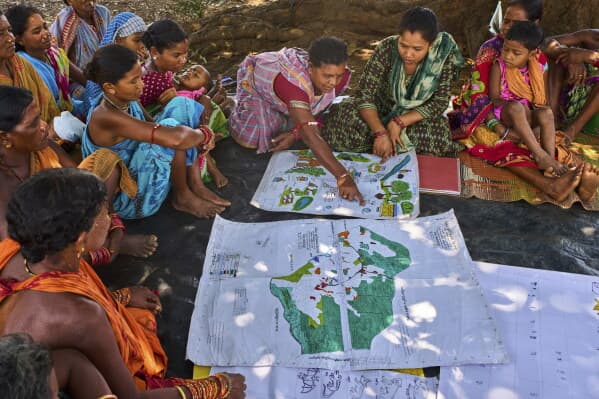
Educational Materials: The training included unveiling educational posters that depict the behavioral traits of the greater adjutant stork, which were created by local community members. This act symbolizes the community's renewed commitment to raising conservation awareness and fostering coexistence with storks and local wetland wildlife.
Interactive Training Activities: The program featured various engaging exercises, such as:
- Leadership activities aimed at mapping women's strengths in conservation.
- Cultural activities that link local traditions with environmental values.
- “Textile hunts” that explore nature through fabrics and folk expressions.
- A “web of life” game illustrating the interdependence of biodiversity.
Future Collaborations: Phearun Sun, WCS Tonle Sap Landscape Programme Manager, expressed excitement for ongoing partnerships between the conservation team from Assam and the Cambodian communities in Prek Toal.
Global Network Formation: During the training, the Sisters and Brothers of Storks, a collaborative global network dedicated to conserving not only the greater adjutant stork but all stork species worldwide, was established. This network aims to empower communities, particularly women, to take active roles as custodians of environmental conservation, integrating these efforts into their cultural practices and everyday life.
Vision for Empowerment: Ms. Barman emphasized that the initiative transcends mere species conservation; it is about empowering women and communities to become nature's guardians by entrenching conservation efforts within their cultural and daily lives.
This initiative at Tonle Sap represents a vital step in international collaborative conservation efforts, leveraging successful models from one region to enact positive change in another, particularly in vulnerable ecosystems and species conservation.
Important Sentences:
- A successful Assam model for the greater adjutant stork is being adapted for a conservation initiative in Cambodia’s Tonle Sap Biosphere Reserve.
- The training program took place on July 28, 2025, led by Purnima Devi Barman, the UN Environment Programme Champion of the Earth.
- It focuses on developing community-centered strategies integrating traditional knowledge and ecological science.
- Educational materials unveiled during the program symbolize a commitment to conservation and coexistence with wildlife.
- Interactive activities during the training help link conservation efforts to cultural values and community strengths.
- The training led to the creation of a global network, "Sisters and Brothers of Storks," aimed at conserving stork species and fostering community empowerment.
Key Terms & Concepts
| Tonle Sap Biosphere Reserve | Conservation site location |
| Hargila Army | Women-led conservation model |
| Prek Toal Bird Sanctuary | Focus area for training |
| Wildlife Conservation Society | Organizing conservation initiative |
| Aaranyak | Biodiversity conservation organization |
| Sisters and Brothers of Storks | Global conservation network |