iAspirants
Biodiversity Study in Nilgiri Mountains
Published on:
Share this post
Article Summary
Summary
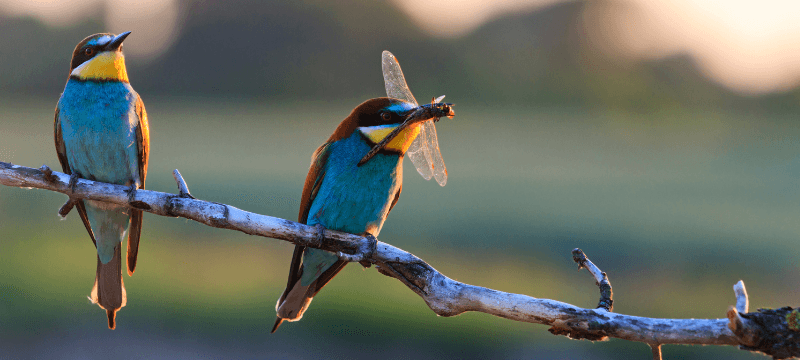
The Nilgiri mountains, located in the Western Ghats of India, are recognized as a critical biodiversity hotspot characterized by a rich tapestry of endemic species such as the Nilgiri pipit and Nilgiri laughingthrush. In a recent study published in Global Change Biology, researchers led by Vijay Ramesh examined the impact of land-use changes over the past 170 years on the bird populations of this region. The study collated historical bird data collected by British ornithologists in the late 1800s alongside contemporary surveys.
Key Findings:
- The researchers utilized historical specimens preserved in natural history museums and conducted field surveys at 42 previously studied sites to assess the changes in bird diversity.
- They discovered a staggering 90% reduction in the relative abundance of grassland birds, with species like the Nilgiri pipit and Malabar lark experiencing the most significant declines.
- The extent of grasslands in the Nilgiris dropped dramatically by 80%, from 993 square kilometers in 1848 to just 201 square kilometers in 2018.
- Conversely, 53% of forest bird populations remained stable over the last century. This stability resulted from the conversion of grassland habitats to woodlands and forests due to anthropogenic influences and climate change, thereby providing alternative habitats for forest-dwelling species.
Ecological Implications:
- This study highlights that grasslands are often overlooked in conservation efforts, with a predominant focus on forest conservation. Associate Professor V.V. Robin pointed out that the perception around grasslands must shift to recognize their ecological significance.
- The methods employed in the study underscore the importance of combining historical data with modern ecological analysis to understand biodiversity shifts comprehensively.
Role of Natural History Museums:
- The research relied heavily on historical collections from natural history museums, which serve as vital repositories of biodiversity data.
- Pritha Dey, a moth biologist, emphasized the role of these museums in preserving historical species records essential for taxonomic identification and conservation research.
- The study utilized statistical models such as the Field Abundance—Museum Abundance (FAMA) method to estimate species population changes by comparing historical and modern specimens.
Challenges in Biodiversity Research:
- Issues surrounding museum access include outdated infrastructure, lack of funding, and bureaucratic obstacles.
- Sushma Reddy noted ongoing debates about the ownership and responsibility of international museums regarding specimens collected from countries like India.
- The reliance on archival resources is hindered by complications in accessing and digitizing these historical materials, particularly in maintaining equitable sharing of biodiversity resources.
Important Points:
- Location: Nilgiri mountains, Western Ghats, India.
- Research Publication: Study published in Global Change Biology on September 3, 2025.
- Study Focus: Impact of land-use changes on bird diversity over 170 years.
- Historical Data: Utilized specimens from the Victorian era and conducted field surveys.
- Grassland Decline: 80% reduction in grassland area; 90% decline in grassland bird abundance.
- Forest Bird Stability: 53% of forest bird populations remained stable due to habitat conversion.
- Conservation Awareness: Need for recognition of grasslands in conservation efforts.
- Natural History Museums: Essential for biodiversity research, preserving historical species data.
- Challenges: Access to archival materials is complicated by institutional obstacles and funding issues.
Key Terms & Concepts
| Nilgiri mountains | Biodiversity hotspot |
| Global Change Biology | Publication of study |
| IISER Tirupati | Research institution |
| National Centre for Biological Sciences | Research facility |
| Captain John Ouchterlony | Creator of land-cover map |
| GIS-based land-cover change | Method of analysis |
| FAMA | Statistical method used |
| Historical land-use map | Data source for study |
| British Library | Storage of archival resources |
| Tamil Nadu State archives | Storage of historical maps |