iAspirants
India's Climate Resilience and Adaptation Strategies
Published on:
Share this post
Article Summary
Climate Vulnerability and Adaptation in India
Key Facts and Statistics:
- India ranks ninth in global climate vulnerability.
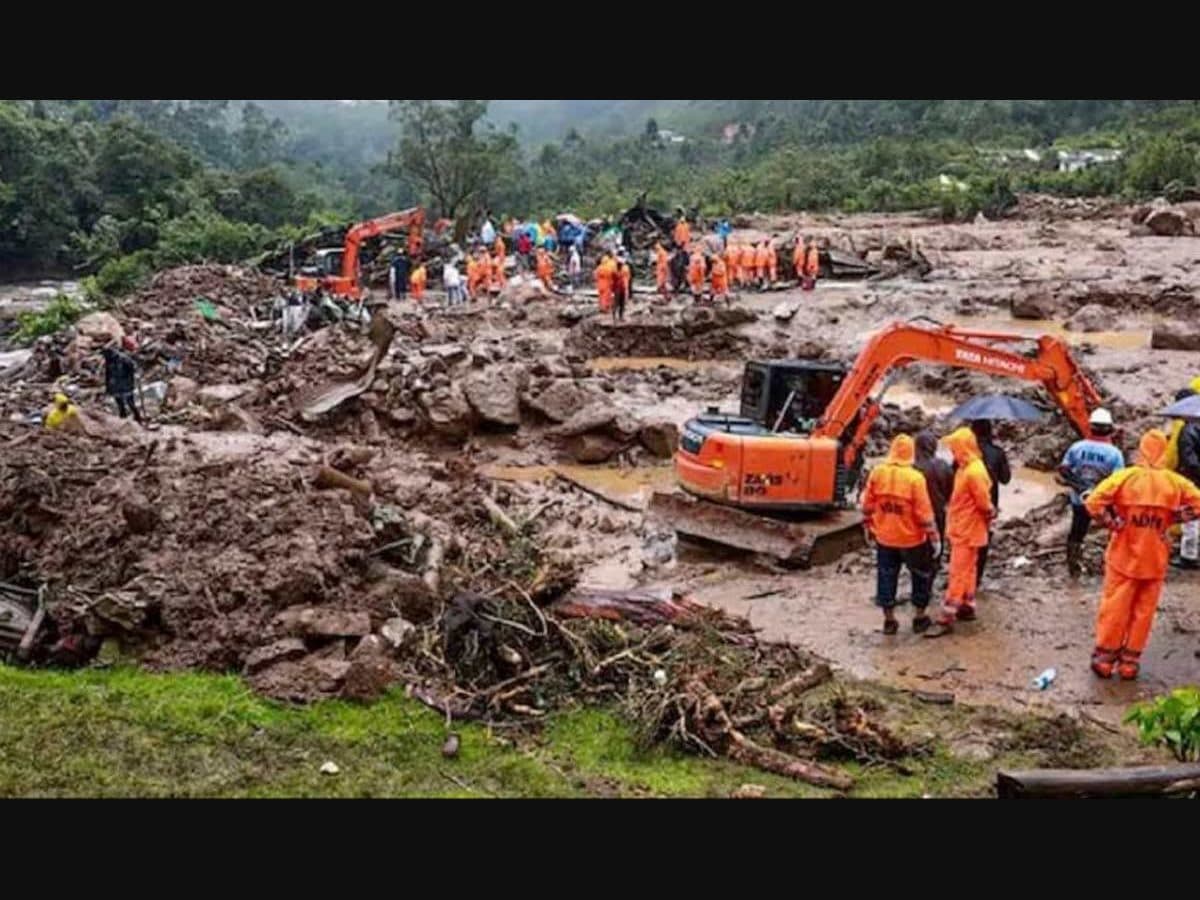
- Recorded 430 extreme weather events from 1995 to 2024.
- Economic losses from these events total approximately $170 billion.
- 1.3 billion people have been affected.
Nationally Determined Contributions (NDCs):
- Updated NDCs focus on climate resilience and adaptation for 2031-2035.
- Emphasizes adaptation in areas like:
- Coastal resilience
- Infrastructure
- Disaster preparedness
- Heat mitigation
- Biodiversity conservation
- Sustainable livelihoods
- Aligned with global commitments to triple adaptation finance by 2035.
- Adoption of Belém Adaptation Indicators at COP30.
Adaptation Efforts:
- The Indian Council of Agricultural Research (ICAR) oversees the National Innovations in Climate Resilient Agriculture (NICRA) pilot spanning 448 villages across 151 climate-vulnerable hotspots.
- Focuses on climate-smart agriculture and considerable farmer capacity-building.
Tamil Nadu Climate Resilient Villages (CRV) Programme:
- Recognized as a good practice in the Economic Survey 2025-26.
- Part of the Tamil Nadu Climate Change Mission (TNCCM), supported by the World Resources Institute (WRI).
- Addresses issues in 11 vulnerable districts through:
- Water management
- Flood/drought mitigation
- Waste management
- Renewable energy
- Biodiversity conservation
- Alternative livelihoods
- Climate information dissemination
Financing and Policy Highlights:
- India’s adaptation and resilience spending was around 5.6% of GDP in FY22.
- The Union Budget 2026–27 remains primarily focused on mitigation.
- Developing countries face an annual financing gap of $284-$339 billion for adaptation (UNEP Adaptation Gap Report, 2025).
Recommendations for Adaptation Finance:
- A clear taxonomy for adaptation finance is needed, focusing on:
- Prioritization of sectors
- Assessment of resources required for vulnerable sectors.
- The Draft Framework of Climate Finance Taxonomy (2025) focuses mostly on mitigation.
Institutional Framework:
- National Adaptation Plan and State Action Plans on Climate Change (SAPCCs) are crucial for operationalizing NDCs.
- States need continuous vulnerability assessments integrated with socio-economic factors.
- Emphasis on capacity building, robust methodologies, and standardized monitoring.
Community Engagement:
- Local involvement is vital, as advocated at COP30 with Locally Led Adaptation (LLA).
- Community co-development in planning, ownership, management, and decision-making is essential for effective interventions.
Summary of Strategies:
- Move beyond resilient infrastructure to include:
- Skill development
- Alternative livelihoods
- Guidelines for the rehabilitation of affected populations.
- Enhance institutional mechanisms at the level of urban bodies and local governance.
- Adopt a whole-of-systems approach to achieve national commitments through grassroot actions.
Conclusion:
To address climate vulnerability, India needs a comprehensive adaptation strategy that includes community participation, robust policy frameworks, and sustainable financing mechanisms to build resilience against future climate impacts effectively.
Key Terms & Concepts
| India | Climate-vulnerable country |
| 430 extreme weather events | Recorded events impacting climate |
| $170 billion | Economic losses due to events |
| 1.3 billion people | Population impacted by climate events |
| Nationally Determined Contributions (NDCs) | India's climate commitments until 2035 |
| Belém Adaptation Indicators | Global climate adaptation metrics |
| National Innovations in Climate Resilient Agriculture (NICRA) | Pilot program for agriculture adaptation |
| Tamil Nadu’s Climate Resilient Villages (CRV) | Good practice for climate resilience |
| World Resources Institute (WRI) | Supporter of CRV program |
| 5.6% of GDP | Adaptation and resilience spending in FY22 |
| $284-$339 billion | Financing gap through 2035 |
| Draft Framework of Climate Finance Taxonomy (2025) |