iAspirants
Current AffairsPrelims PYQsUPSC CSE SyllabusUPSC CSE StrategyBlogsPricing
Login
iAspirants
Current AffairsPrelims PYQsUPSC CSE SyllabusUPSC CSE StrategyBlogsPricingContact UsLoginSignUp
iAspirants

Your AI-powered companion for UPSC preparation.

Study Resources

  • Current Affairs
  • Prelims PYQs
  • UPSC CSE Syllabus
  • UPSC CSE Strategy
  • Blogs

Practice & Plans

  • Mains Answer Evaluation
  • Pricing
  • Sign Up
  • Login

Company

  • Home
  • About Us
  • Contact Us
  • FAQs

Legal

  • Privacy Policy
  • Terms & Conditions
  • Return Policy

© 2026 iAspirants, Inc. All rights reserved.

  1. Blogs
  2. Environment and Ecology

Bird Migration Trends in Chennai

Published on: 05-Oct-2026

Source: The Hindu

Share this post

Bird Migration Trends in Chennai

Article Summary

Summary of Migratory Bird Patterns and Biodiversity in Chennai

Key Findings:

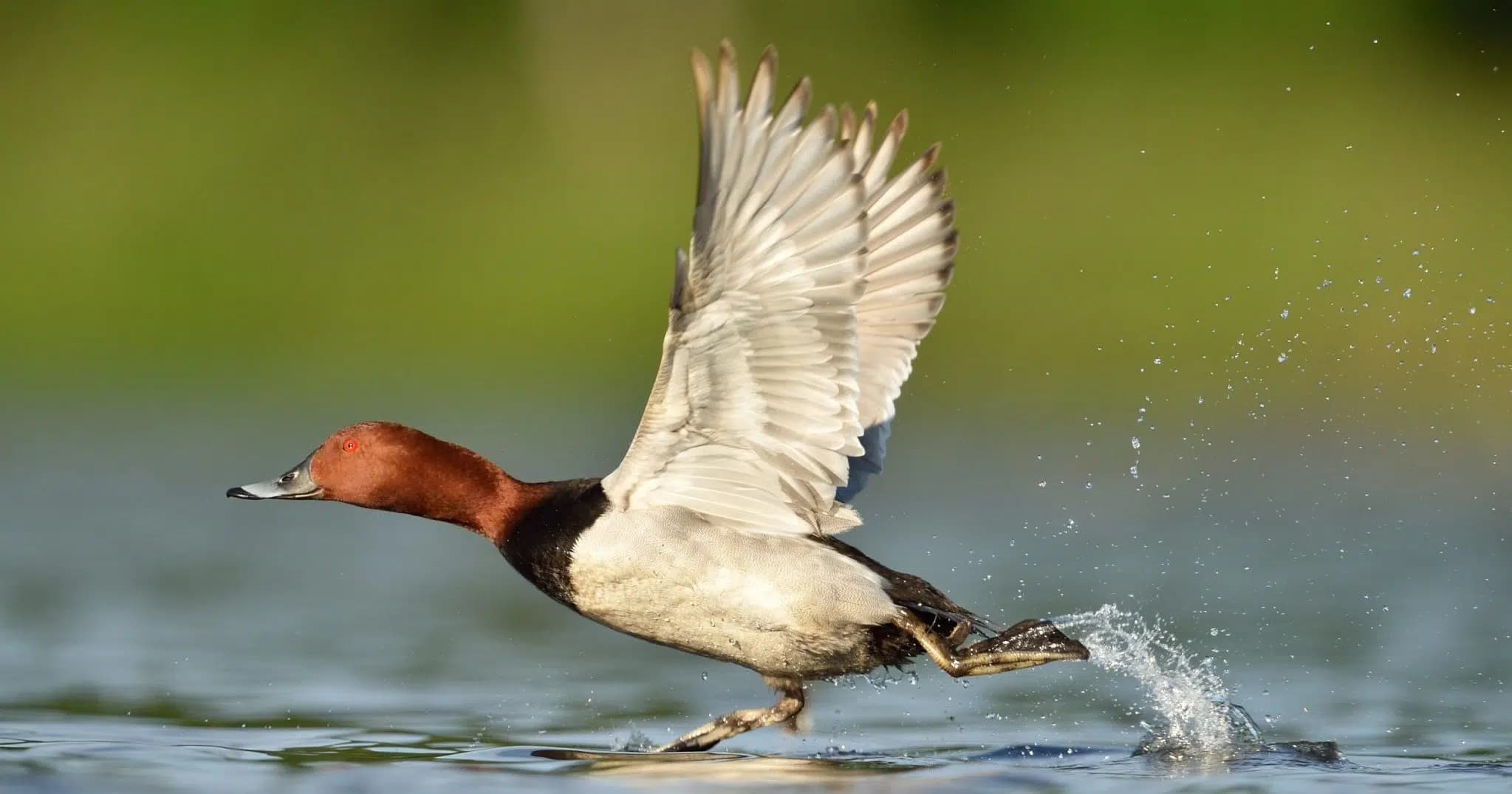
  • Early Migrant Arrivals: The grey-headed lapwing, a long-distance migratory bird from East Asia, was sighted in Chennai on September 20, 2026, nearly two weeks earlier than its usual arrival in the first week of October.
  • Bird Species Observed:
    • Pallikaranai Marshland: Notable species include Terek sandpiper, lesser sand-plover, marsh sandpiper, and black-tailed godwit.
    • IIT-Madras: Paradise flycatcher, blue-tailed bee-eater, booted eagle observed.
    • Adyar Estuary: Recorded shorebirds such as Caspian terns, whiskered terns, Eurasian whimbrels, European roller, and common greenshanks.
    • Nemmeli Salt Pans: 56 bird species recorded in a two-hour survey, highlights include a flock of garganeys and over 600 greater flamingos.

Environmental Context:

  • Urban Pressure on Biodiversity: The bird habitats, especially in Pallikaranai, are experiencing pressure from urbanisation, impacting migratory patterns and bird populations.
  • Importance of Weather Conditions: Factors such as weather conditions, rainfall, and food availability affect migration patterns, although specific causes for the early arrivals remain unidentified.

Biodiversity Significance:

  • Chennai’s coastal and wetland ecosystems play a crucial role in supporting migratory birds, many of which traverse thousands of kilometers from regions in Northern Europe and Central Asia to southern India.
  • The presence of unique species and large flocks highlights the ecological importance of Chennai as a migratory route and habitat for waterbirds.

Future Observations:

  • Birdwatchers are keenly anticipating sightings of unique migratory species like the Demoiselle crane, enhancing the region's biodiversity documentation efforts.

Conclusion:

The changes in migratory patterns and the variety of species observed in Chennai reflect ongoing shifts in environmental conditions, emphasizing the need for conservation efforts to protect these vital habitats.

Environmental References:

  • Biodiversity in Chennai: Critical for bird species during seasonal migrations.
  • Pressure from Urbanization: Noted impact on natural habitats.
  • Citizen Science: Engagement by local birdwatchers contributes to biodiversity records and awareness.

These observations serve as a reminder of the delicate balance in ecosystems and the impacts of climate change and urban expansion on wildlife.

Key Terms & Concepts

Pallikaranai marshlandSite for migratory bird spotting
grey-headed lapwingEarly arriving migratory bird
September 20Date of early bird arrival
Terek sandpiperMigratory bird species observed
lesser sand-ploverMigratory bird species observed
marsh sandpiperMigratory bird species observed
black-tailed godwitMigratory bird species observed
IIT-MadrasSite for birdwatching
paradise flycatcherBird species spotted on campus
Nemmeli salt pansActive site for bird spotting
56 speciesNumber of bird species recorded
Demoiselle craneRare migratory bird species
more than 600 greater flamingos

Mind Map for UPSC Civil Services Revision

Turn UPSC Civil Services Current Affairs Into Exam-Ready Notes

Reading Environment and Ecology current affairs is half the work. Revise them with ready-made notes and test what actually stuck.

  • Daily UPSC Civil Services current affairs analysis
  • Revision notes, mind maps & MCQs
  • Prelims mock tests with instant results

Related UPSC Civil Services Current Affairs Articles

Funding Commitments for Climate Action
Environment and Ecology19-Nov-2026

Funding Commitments for Climate Action

Climate Change and International Commitments - COP29 Highlights

  1. COP29 Agreements (2024, Baku):

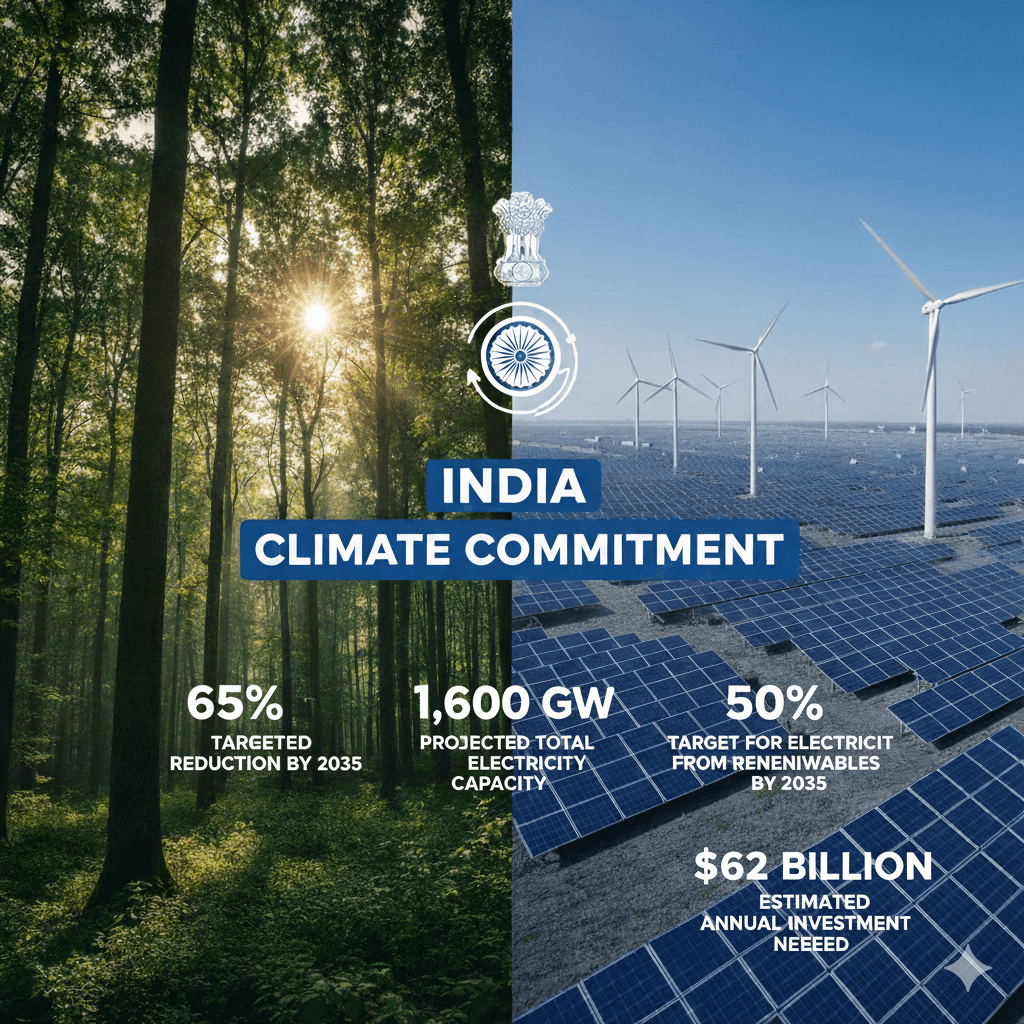
    • Countries agreed to provide up to $300 billion per year to developing nations by 2035.
Bird count during observation
Practise Mains answer writingUpload a handwritten answer and get it evaluated
  • A call for mobilization of $1.3 trillion annually from public and private sectors.
  • Context:

    • The emphasis is on turning climate action promises into tangible outcomes, especially for vulnerable nations.
    • The focus is now on the timely delivery and usability of the pledged financial support.
  • Challenges:

    • The primary concern remains ensuring that funds are delivered effectively at affordable rates and in formats that developing countries can utilize for climate resilience and adaptation.
  • Significance:

    • This commitment underscores the urgent need for financial resources to assist in climate adaptation and mitigation efforts globally, particularly for those most affected by climate change.
  • These points summarize the commitments and challenges surrounding international efforts to address climate change effectively, particularly in the context of funding for developing countries as discussed during COP29.

    Addressing Air Pollution in India
    Environment and Ecology18-Nov-2026

    Addressing Air Pollution in India

    Air Pollution in India: An Examination of Sources and Solutions

    Current Status and Challenges

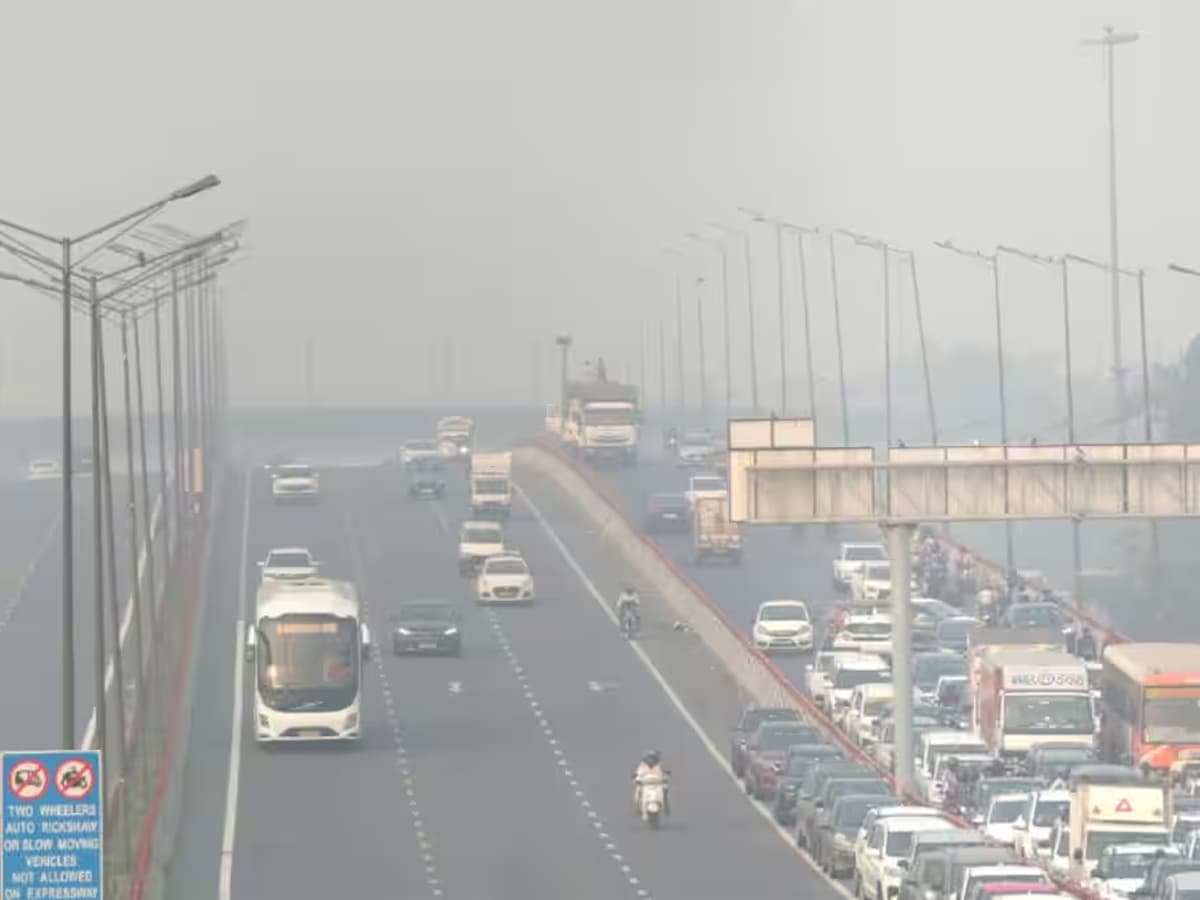
    • Air pollution is a significant issue across India, not limited to outdoor concentrations in Delhi NCR, particularly during winter months.
    • Major pollution sources include:
      • Fireworks and stubble burning.
      • Solid fuels like firewood, dung cakes, and waste used for heating.
      • Continuous emissions from transportation, household fuels, industries, power plants, and construction activities.

    Recognized Contributing Factors

    • Adverse winter meteorology exacerbates pollution levels; however, weather does not create emissions but affects their dispersion.
    • Current approaches highlight a need for dual actions:
      1. Reducing number of emission sources.
      2. Lowering emissions from remaining sources.

    Necessary Actions

    • Transition to reliable public transport and reduction of private vehicle dependence.
    • Access to clean cooking and heating options.
    • Alternatives to agricultural residue burning.
    • Systematic municipal waste management and robust industrial regulation.

    Importance of Research and Monitoring

    • Ongoing uncertainties regarding source contributions and atmospheric chemistry necessitate sustained investment in scientific research and monitoring infrastructure.
    • Effective pollution monitoring must account for personal exposure, especially in vulnerable communities using solid fuels for cooking, contributing significantly to household pollution.

    Institutional Involvement

    • Solutions must be comprehensive, including:
      • Engagement from agricultural economists, urban planners, social scientists, and public health experts.
      • Political commitment and long-term investment to tackle pollution at systemic levels.
    • Addressing social attitudes towards practices like firecracker use requires community involvement beyond technical enforcement.

    Expertise in Problem-Solving

    • Recognizing diverse expertise beyond traditional scientific communities is crucial for comprehensive solutions.
    • Technological fixes, while attractive, cannot replace long-term strategies such as enhancing waste management and ensuring clean energy access.
    • Critical evaluation of proposed technological interventions (e.g., smog towers, artificial rain) is necessary to avoid ineffective spending of public resources.

    Priority Areas for Action

    • Immediate needs include enhancing air quality through improved transport systems, better energy practices, and rigorous waste management.
    • Targeting the highest exposed populations such as street vendors, sanitation workers, and women engaged in domestic cooking is essential for effective intervention.

    Conclusion

    • The path to cleaner air necessitates integrating scientific insights with actionable policy, community engagement, and robust governance structures capable of instituting long-term changes.
    • The emphasis should be on practical solutions that tangibly reduce pollution rather than solely focusing on educational advancements or temporary technological fixes.
    Earthshot Prize Awards Ceremony Highlights
    Environment and Ecology18-Nov-2026

    Earthshot Prize Awards Ceremony Highlights

    Summary of the 2026 Earthshot Prize Awards Ceremony in Mumbai

    Event Details:

    • Occasion: 2026 Earthshot Prize Awards Ceremony
    • Location: Mumbai, India
    • Keynote Address: Delivered by Prince William

    Themes & Statements:

    • Youth Empowerment: Prince William emphasized that young people are leading the global movement for environmental change, showcasing their innovative contributions and determination.
    • India’s Role: Acknowledged as a hub of innovation tackling immense environmental challenges.

    Earthshot Prize Categories & Winners:

    1. Clean Our Air:

      • Winner: Mahindra Last Mile Mobility
      • Award Amount: £1 million
      • Impact: Achieved a transformation where 33% of India’s three-wheelers are electric.
    Increase in Kedarnath Pilgrimage Waste
    Environment and Ecology18-Nov-2026

    Increase in Kedarnath Pilgrimage Waste

    Kedarnath Char Dham Yatra 2026: Key Facts & Figures

    1. Pilgrim Numbers and Waste Generation:

      • 2026 Char Dham Yatra recorded 65.65 lakh pilgrims, a 29% increase from 51.07 lakh in 2025.
      • 73 tonnes of waste generated during the 2026 pilgrimage, over three times the 21.40 tonnes recorded in 2025.
      • Waste comprised primarily of plastic bottles, food packets, Tetra Pak, and cardboard.
    2. Historical Waste Data:

      • 2024: 26.10 tonnes of waste.
      • 2023: 32.58 tonnes of waste.
      • The surge in waste reflects the increasing number of pilgrims, facilitated by a longer pilgrimage season, which lasted 204 days compared to 175 days in 2025.
    Climate Conference Focus on 1.5°C Target
    Environment and Ecology17-Nov-2026

    Climate Conference Focus on 1.5°C Target

    Climate Conference COP31 Overview

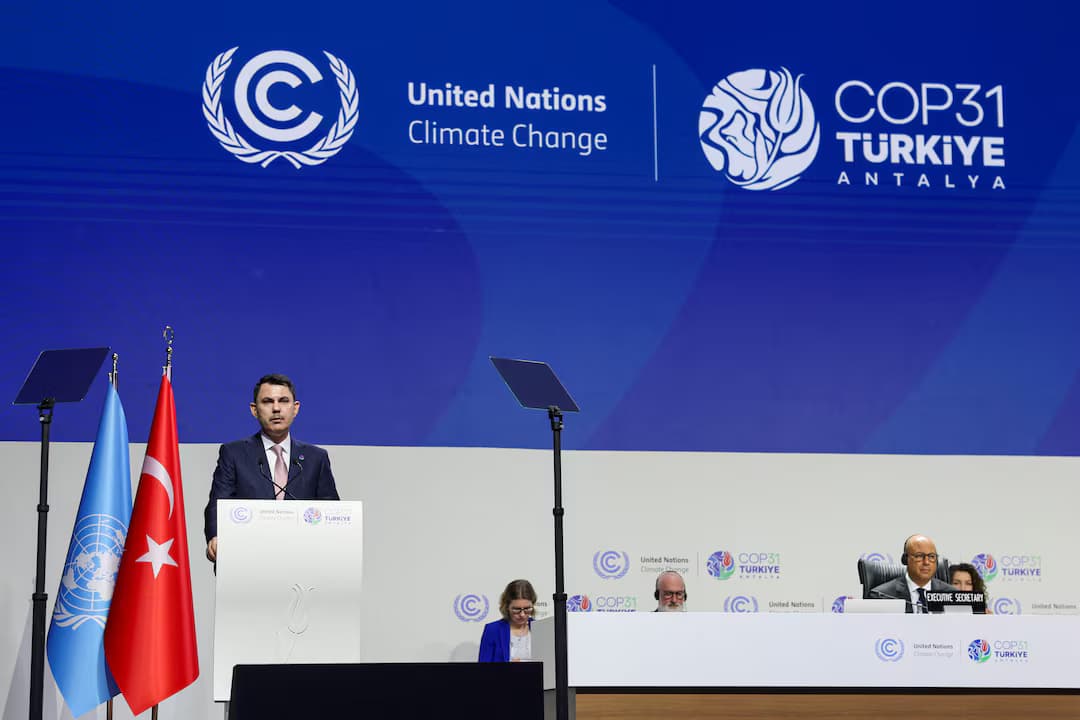
    • Venue and Dates: Ongoing COP31 climate conference in Antalya, Turkey.
    • Key Participants: Host countries Turkey and Australia.

    Draft Cover Decision Highlights

    1. Temperature Target: The draft expresses deep concern over the scientific conclusion that limiting global warming to 1.5°C is now deemed beyond reach.

      • Threshold Exceedance: It suggests that efforts must focus on limiting the duration and magnitude of overshoot above this target.
      • Urgent Call to Action: Countries are urged to strive to return temperatures to 1.5°C as early as possible within this century.
    2. Scientific Context:

      • UN Environment Programme reported that global warming of 1.7°C to 1.8°C is now likely.
      • Emphasis on the need for collective global efforts to address climate change effectively.
    3. Demands on Developed Nations:

      • Net-Zero Emissions: Developed countries are called upon to aim for net-zero emissions by 2030 and net-negative emissions by 2040.
      • Currently, these targets are deemed unrealistic as most nations are not on track for any meaningful reductions by 2030 or even 2050.

    Work Programme Development

    • 1.5°C Science Understanding: A new technical 'work programme' to be established focusing on pathways to potentially bring global temperatures back to 1.5°C.

    Electrification Target Proposal

    • Proposal by Turkey and Australia: Increase the global share of electricity in total final energy consumption from 23% to 35% by 2035.
    • Current Engagement: Approximately 30 countries have voluntarily agreed to this target.
    • Nature of Commitment: The draft only encourages recognition of this electrification target as a global goal, not making it obligatory.

    Just Transition Mechanism

    • India's Position: Environment Minister Bhupender Yadav stated that the Just Transition Mechanism should not impose new obligations on countries.
    • Purpose of Just Transition: To ensure that the transition to low-emission energy sources is fair and inclusive, promoting socially equitable outcomes.
    • Current Status: Mechanism under negotiation for technical assistance, capacity building, and knowledge-sharing among countries.

    Conclusion

    The COP31 climate conference serves as a critical platform for addressing global climate challenges, emphasizing the urgent need for collective action on climate goals, acknowledging the changing realities of temperature targets, and advocating for equitable transitions in energy consumption.

    Concerns Over Valagerahalli Lake Pollution
    Environment and Ecology17-Nov-2026

    Concerns Over Valagerahalli Lake Pollution

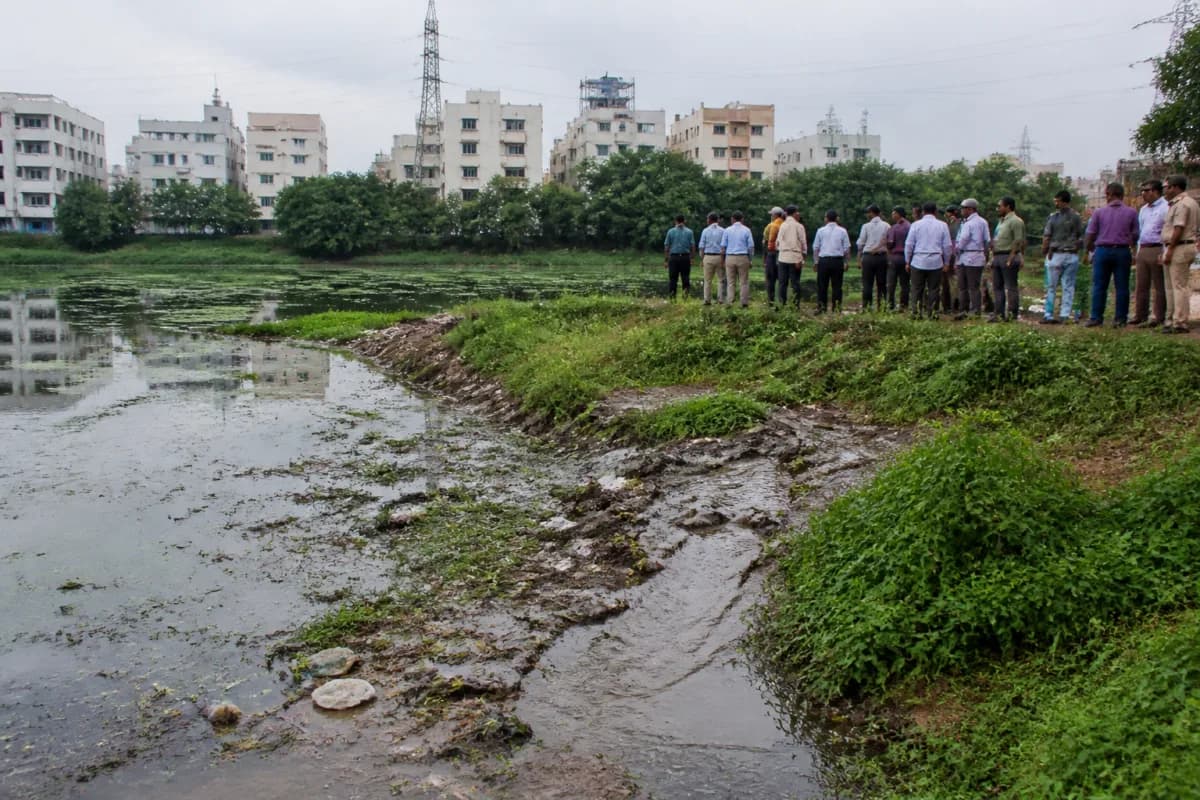
    Summary of Key Points: Valagerahalli Lake Concerns and Lokayukta Intervention

    • Issue Identified: Local residents raised concerns regarding the Valagerahalli Lake's deteriorating condition and associated health hazards.

    • Source of Pollution: It was found that sewage was contaminating the lake alongside rainwater runoff, highlighting significant ecological and public health concerns.

    • Lokayukta's Role:

      • The Lokayukta is a quasi-judicial authority in India responsible for investigating corruption and maladministration in public offices.
      • After reviewing residents' complaints and an engineer's report from the Bengaluru West City Corporation, the Lokayukta took action against the inadequate response of local authorities in protecting and maintaining the lake.
    • Joint Inspection Committee:

      • A committee has been formed, which includes:
        • Chief Engineer (TAC) of Karnataka Lokayukta
        • Superintendent of Police-1, Karnataka Lokayukta
    Cyclone Akvan Forecasts and Warnings
    Environment and Ecology17-Nov-2026

    Cyclone Akvan Forecasts and Warnings

    Cyclone Akvan Overview

    • Nature of Cyclone: Cyclonic storm Akvan intensified from deep depression in the Bay of Bengal.
    • Location: As of November 16, 2026, cyclone centred about 610 km east of Chennai.

    Meteorological Warnings and Predictions

    • Warnings Issued: Regional Meteorological Centre (RMC) in Chennai issued cyclone warnings for:

      • Andhra Pradesh
      • Adjoining South Odisha coasts
    • Expected Weather Impact:

      • Light to moderate rainfall expected over:
        • Coastal Tamil Nadu
        • Western Ghat districts
        • Puducherry and Karaikal
      • Anticipated heavy to very heavy rainfall in Chennai, Tiruvallur, and Chengalpattu districts from November 18-19, 2026.
    • Wind Speeds: Gusts expected between 40-50 km/h, particularly during thunderstorms.

    Forecast Timeline:

  • Revive Our Oceans:

    • Winner: Niue Ocean Wide Trust
    • Significance: Recognized for their efforts in protecting diverse Pacific Ocean ecosystems.
  • Protect and Restore Nature:

    • Winner: Bhutan
    • Constitutional Reference: Commitment to maintain 60% forest cover is enshrined in Bhutan's Constitution.
    • Impact: Efforts aimed at safeguarding Himalayan forests, vital for the water supply to 1.6 billion people in South Asia.
  • Build a Waste-free World:

    • Winner: PFAS – Free France
    • Objective: A national movement to ban harmful chemicals and hold polluters accountable for environmental cleanup.
  • Fix Our Climate:

    • Winner: Orsed
    • Achievement: Transitioned from coal dependency to renewable energy sources.
  • Awards Ceremony Highlights:

    • Attendance: Included environmental innovators, philanthropists, business leaders, and representations from sports and culture sectors.
    • Celebrities Present: Notable figures such as British actress Simone Ashley, actor Rami Malek, Indian stars Alia Bhatt and Sonam Kapoor, and Sachin Tendulkar participated.
    • Entertainment: Performances by singer Shreya Ghoshal and the band Take That.

    Cultural Representation:

    • Children's Earthshot Awards: Showcasing youth initiatives on the same day and promoting environmental responsibility among younger generations.
    • Prince William’s Engagement: He highlighted potential and optimism among Gen Z during his visit prior to the ceremony, driving an electric rickshaw.

    Conclusion: The event marked a significant international platform for environmental advocacy, reinforcing global responsibilities towards nature and climate sustainability through recognition of practical innovations and youth engagement.

    Safety Concerns:

    • In 2026, 297 fatalities occurred across the five shrines, up from 182 fatalities in 2025.
    • Health-related natural deaths rose by 81% (from 159 to 288), with Kedarnath accounting for 142 of these deaths.
  • Vehicle Movement:

    • A total of 6,68,877 vehicles recorded during the Yatra, an increase of 30% from 5,14,016 in 2025. This indicates growing pressures on infrastructure and services.
  • Government Interventions:

    • ‘Carry Me Back’ initiative launched to manage waste, mobilizing 6,000 pilgrims to carry 14 tonnes of waste for proper disposal.
  • Comparative Pilgrim Data:

    • Kedarnath specifically saw 19,33,138 pilgrims in 2026, a 9% rise over the previous year.
    • Average daily footfall decreased to 9,476 in 2026 from 10,113 in 2025, indicating a change in visitor patterns.
  • Recommendations for Management:

    • Call for enhanced safety measures and improved traffic management to cope with increasing pilgrim numbers.
    • Need to focus on carrying capacity, pilgrim health, and sustainable practices to ensure the long-term viability of the Char Dham Yatra.
  • Conclusion: The 2026 Char Dham Yatra highlighted substantial growth in pilgrim numbers leading to increased waste generation and fatalities. Urgent policy and management improvements are necessary to ensure safety and sustainability in future pilgrimages.

  • Officials from the Karnataka State Pollution Control Board.
  • Directive: The committee is tasked with conducting an inspection of the lake, evaluating its current state, and producing a report with recommendations by November 30.
  • Consequences for Malfeasance: The Lokayukta indicated that officials who are found negligent regarding their duties will face actions against them unless appropriate measures to resolve pollution issues are implemented.

  • Legal Framework: The actions taken align with the broader objectives of promoting environmental protection and administrative accountability under constitutional provisions, notably Article 48A which mandates the State to protect and improve the environment and safeguard forests and wildlife.

  • This case illustrates the enforcement of environmental governance and highlights the importance of local accountability in managing natural resources amidst rising urban pollution challenges.

    • November 17, 2026: Moderate to heavy rain in isolated areas.
    • November 18-19, 2026: Predictions of heavy rainfall, thunderstorms, and lightning in multiple districts.
    • November 20, 2026: Expected landfall between Nellore and Tuni in Andhra Pradesh as a very severe cyclonic storm with:
      • Maximum sustained wind speed of 120-130 km/h, gusting to 145 km/h.

    Forecasted Path:

    • Expected movement: North-northwestwards, intensifying into a very severe cyclonic storm by November 19, 2026, before making landfall.

    Potential Impact and Preparedness:

    • Government Response: Preparations are being reviewed, particularly in Andhra Pradesh.
    • Fishing Communities: Noted that 173 fishing boats were yet to return as of the date of reporting.

    Importance of Meteorological Preparedness:

    • RMC's role in issuing timely warnings aligns with national disaster preparedness strategies, crucial for minimizing potential damage and ensuring public safety.

    This summary highlights critical meteorological predictions and government readiness in response to Cyclone Akvan, indicating potential impacts on multiple states.