iAspirants
Challenges in India's Electoral Roll Preparation
Published on:
Share this post

Article Summary
The article discusses the historical context and complexities involved in the preparation of electoral rolls in India, particularly during the initial period leading up to the country's first election in 1952. This process was marked by various challenges, reflecting the socio-political landscape of post-independence India.
Summary:
Early Challenges
- The confusion surrounding the Special Intensive Revision (SIR) of electoral rolls in Bihar highlights the historic difficulties in preparing electoral rolls for the first Indian elections.
- India had a population of approximately 34.8 crore at the time, with significant portions of it being illiterate and dispersed in diverse geographical terrains, especially post-Partition.
Voting Rights
- In July 1947, the Constituent Assembly of India assured voting rights to all citizens aged 21 and above, committing to universal adult suffrage.
Preparation of Draft Electoral Rolls
- In March 1948, the Constituent Assembly issued detailed guidelines for states to prepare draft electoral rolls, specifying eligibility criteria of citizenship, age (21 years as of January 1, 1949), and residency for 180 days prior.
- Preliminary electoral rolls were managed village-wise, pending delimitation.
Enumerators' Method
- Enumerators were tasked with house-to-house inquiries based on the 1941 Census, with details required including the voter's name, residency, age, and religion or caste which aligned with reserved seat provisions.
Controversies over Reserved Seats
- Initially, the Assembly planned to reserve seats for Muslims and Christians alongside Scheduled Castes (SCs) and Scheduled Tribes (STs). However, this decision was reversed in May 1949, leading to the removal of these categories from the rolls.
Inclusivity Measures
- Displaced persons were also included, based on a simple declaration of their intent to permanently reside in India, which benefitted many refugees from the Partition.
Timeline of Electoral Roll Preparations
- The voter enumeration process was publicized in July 1948, with various states progressing at different paces.
- On November 26, 1949, the Constitution’s citizenship provisions took effect, and the Election Commission of India (ECI) was established on January 25, 1950.
Legislative Framework
- The Representation of the People Act, 1950, enacted in April, specified changes to voter qualifications and necessitated a revisions of existing rolls.
- The qualifying age for voters was shifted to March 1, 1950, and residency requirements were adjusted from April 1, 1947, to December 31, 1949.
Supplementary Rolls
- State governments were directed to prepare supplementary rolls to include voters who turned 21 during the transitional period and those meeting new residency criteria.
Voting Preparations
- Notably, special provisions were implemented for armed forces personnel for postal voting.
- Draft rolls were informally published in May 1950 while some states published preliminary rolls by November 1950, albeit with delays in several states such as West Bengal, Punjab, Bihar, and Orissa.
Final Publication of Electoral Rolls
- The final delimitation report was submitted in August 1951, with final voter rolls published starting in September 1951 and concluded by November 15, 1951.
- The final electoral rolls listed approximately 17.32 crore voters, equating to nearly 49% of the total population (excluding Jammu & Kashmir), achieving nearly 96% enrollment for eligible adults (over 21 years).
Important Points:
- Historical Context: The first electoral rolls preparation faced considerable administrative challenges due to population demographics and the aftermath of Partition.
- Constitutional Provisions: The Constitution’s Article on citizenship and establishment of the ECI emphasized the move towards inclusive democracy.
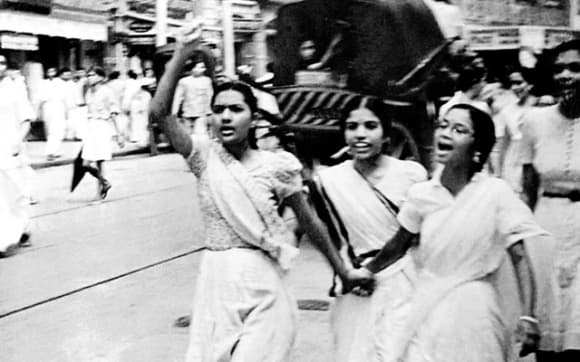
- Challenges of Inclusivity: Issues of registering women and marginalized communities highlighted the socio-cultural barriers in voter enrollment.
- Success of ECI: Despite significant challenges, the ECI effectively facilitated the voter enrollment process, reflecting a commitment to ensuring electoral participation for all eligible citizens.
Key Terms & Concepts
| Special Intensive Revision | Electoral roll preparation process |
| Constituent Assembly | Decision-making body for elections |
| Election Commission of India | Oversees electoral process |
| Representation of the People Act, 1950 | Legal framework for voter qualifications |
| January 1, 1949 | Reference date for electoral rolls |
| Sukumar Sen | First Chief Election Commissioner |
| J&K | Exclusion from voter rolls |
| Scheduled Castes | Marginalized voting group |
| armed forces personnel | Special voting provisions |
| postal voting | Voting method for specific groups |