iAspirants
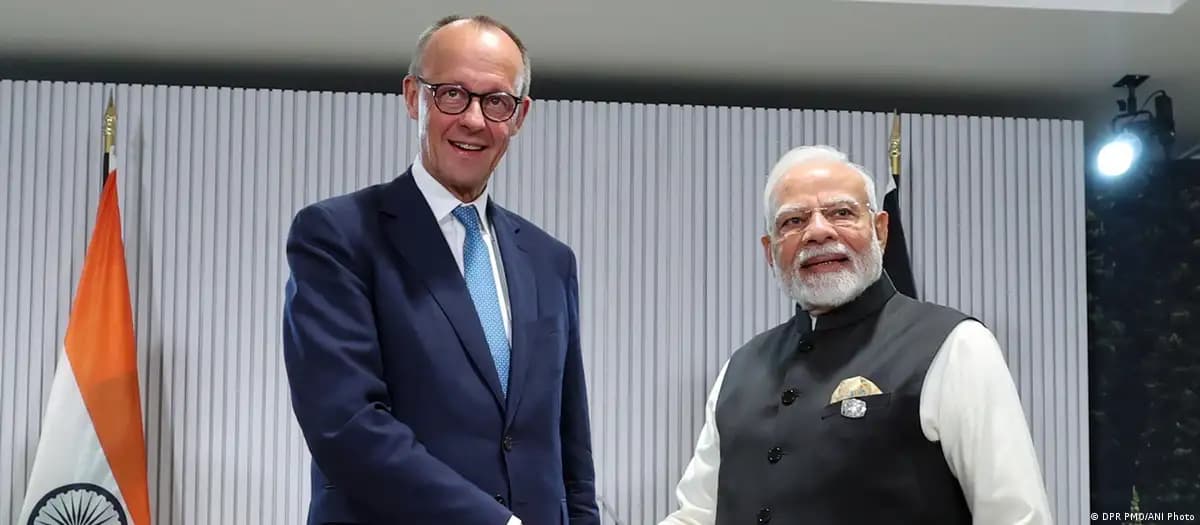
Chancellor Merz's Historic India Visit
Published on:
Share this post
Article Summary
Summary of German Chancellor Friedrich Merz's Bilateral Visit to India
Significance of Visit:
- Chancellor Friedrich Merz's visit to India marks his first bilateral meeting outside NATO and the EU, underscoring the strengthening ties between Germany and India.
- Accompanied by a delegation of 25 CEOs from various German companies, this visit signals Germany's growing focus on India as a key partner.
Meetings and Locations:
- Meeting scheduled with Prime Minister Narendra Modi in Ahmedabad and a visit to the Sabarmati Ashram.
- On January 13, Merz will visit Bengaluru, including the Indian Institute of Science and German firm Bosch's campus.
Agenda Highlights:
Economic Cooperation:
- Trade volume reached $50 billion in the previous year (goods and services combined).
- Over 2,000 German companies operate in India, while around 750 Indian companies are present in Germany, indicating a robust bilateral trade relationship.
- Migration agreement between India and Germany facilitating legal migration, with reports of Indian migrants earning 20% more on average than their German peers.
Future Trade Targets:
- No specific future trade goal mentioned, but strong expectations of growth in trade activities, with two companies weekly seeking opportunities in India according to the Indo-German Chamber of Commerce.
Free Trade Agreement (FTA):
- Emphasis on concluding the FTA negotiations during the upcoming India-EU summit, highlighting its potential benefits for increasing German business activity in India.
Migration and Skilled Labor:
- Germany's need for skilled labor in sectors like caregiving, nursing, and craftsmanship discussed. The visit aims to reinforce recruitment pathways for Indian professionals who show high dedication and work ethic.
Higher Education Opportunities:
- German universities report positive experiences with Indian students, highlighting the growing interest among Indian students to study in Germany.
Defense and Security Cooperation:
- While specific deals such as submarines may not be concluded during this visit, discussions will initiate a roadmap for future defense collaborations.
Global Political Context:
- Dialogue expected on global issues, particularly regarding the ongoing situation in Ukraine. Merz to share observations from peace talks involving European partners.
Bilateral Relations Outlook:
- The visit signifies a pivotal moment for German-Indian relations, with high expectations for increased investments, educational partnerships, and economic collaboration. The presence of prominent business leaders alongside the Chancellor is a clear indicator of Germany's strategic interest in bolstering ties with India.
Conclusion:
- This visit by Chancellor Merz is positioned as a crucial step in enhancing bilateral relations, with particular focus on trade, migration, and potential defense cooperation. The outcomes of the discussions could positively shape the future economic landscape and political dialogue between the two nations.
Key Terms & Concepts
| German Chancellor Friedrich Merz | Leads first bilateral visit |
| Germany | Country of Chancellor |
| India | Host country for visit |
| Sabarmati Ashram | Visit site in Ahmedabad |
| Indian Institute of Science | Academic visit in Bengaluru |
| Bosch | German firm in Bengaluru |
| $50 billion | Trade volume with India |
| 2,000 | German companies in India |
| 750 | Indian companies in Germany |
| legal and fair migration | Migration agreement topic |
| 20% | Average earnings increase |
| India-EU summit | Upcoming political event |
| Free Trade Agreement (FTA) |