iAspirants
Cheetah Conservation Progress in India
Published on:
Source: Indian Express
Share this post
Article Summary
Conservation of Cheetahs in India: Key Highlights and Data
Cheetah Population Statistics:
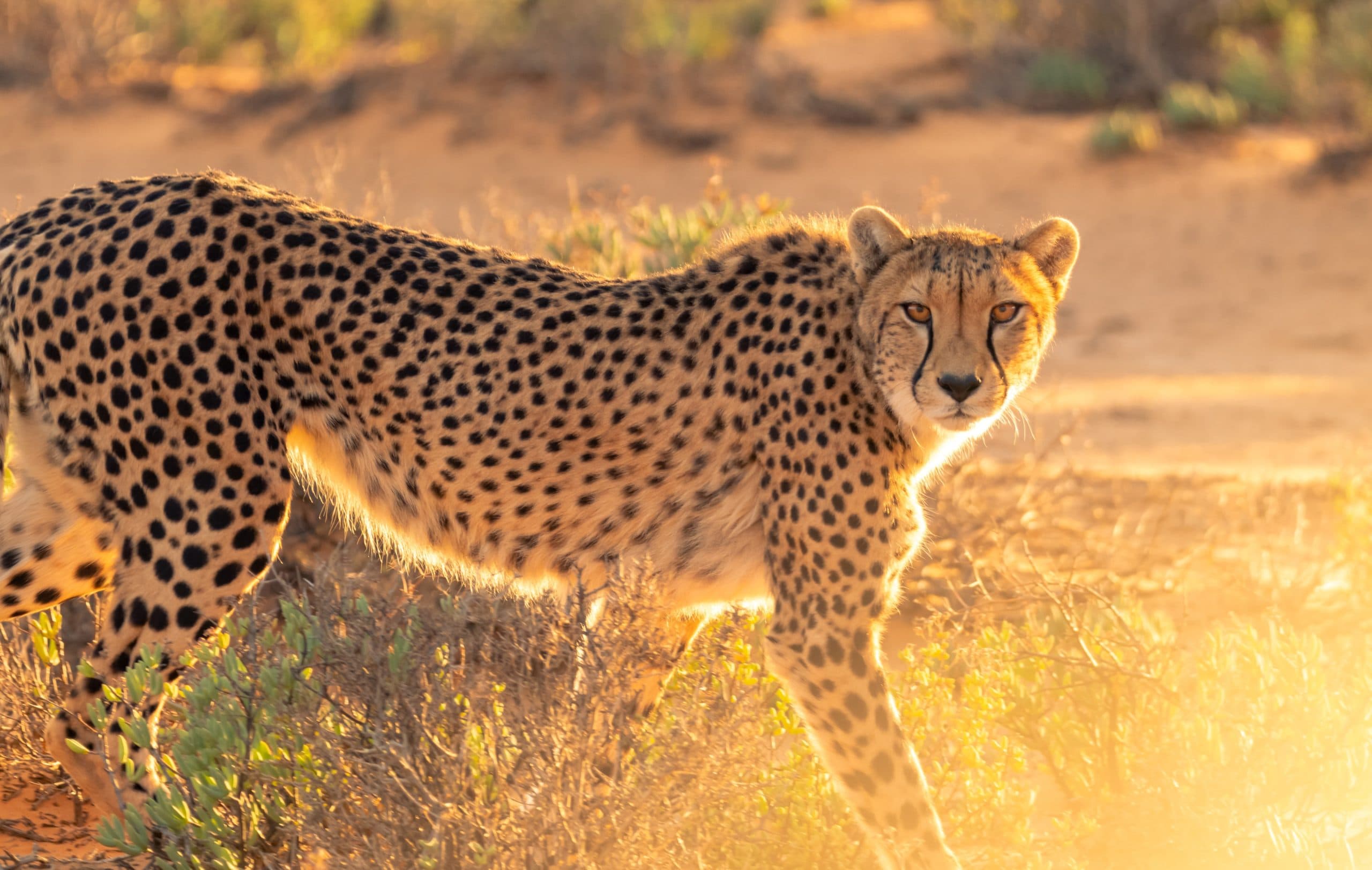
- Current population: 62 cheetahs in India, with 43 born locally.
- Significant breeding success with the recent birth of four cubs in Kuno National Park, Madhya Pradesh.
Historical Context and Legislative Framework:
- India has a rich conservation ethic influenced by major religions (Hinduism, Jainism, Buddhism, Sikhism) promoting stewardship of nature.
- Key legislative milestones:
- Wildlife (Protection) Act, 1972.
- Project Tiger, initiated in 1973, as a flagship program for tiger conservation.
- Supreme Court ruling (2013) highlights conservation imperatives over individual species-focused welfare.
Biodiversity and Species Conservation:
- India hosts the largest populations of wild tigers (approximately 4,000), Asian elephants (approximately 23,000), and leopards (over 15,000).
- Asiatic lions, with a population of about 1,000, are unique to India, primarily in the Gir region, showcasing significant conservation success after near extinction.
Challenges and Threats to Wildlife:
- Threats include habitat loss, poaching, human-wildlife conflict, and climate change.
- The extinction rate has increased significantly due to human activity post-Industrial Revolution.
- Conservation efforts are complicated by high human population density and conflicts between wildlife and farming communities.
Government Schemes and Initiatives:
- The National Tiger Conservation Authority and the Wildlife Crime Control Bureau established to oversee conservation and combat illicit trade.
- Financial packages of Rs 15 lakh per family for forest communities facilitating relocations from core wildlife areas to reduce conflict.
Economic and Environmental Indicators:
- Protected areas comprise only 5.4% of total land in India, underscoring a need for better land management and connectivity for wildlife corridors.
- Support for conservation programs across different political administrations exemplifies a consensus on environmental importance.
Nature and Wildlife Corridor Initiatives:
- Development of wildlife crossings and corridors to mitigate road collisions and maintain genetic diversity among species.
- Criticism of policies focusing on individual species (e.g., lion hospitals) over broader ecosystem-based strategies.
Community Involvement in Conservation:
- Emphasis on community-based conservation strategies including eco-tourism while ensuring local communities benefit economically.
- Promotion of sustainable agriculture and agroforestry practices to support both biodiversity and livelihoods.
Future Directions in Wildlife Conservation:
- The cheetah reintroduction aims to restore open ecosystems by establishing breeding populations in the wild, moving beyond captive breeding.
- Addressing human-wildlife conflict proactively with socio-economic collaboration is vital for long-term sustainability of conservation efforts.
Judicial and Legislative Recommendations:
- Calls for more stringent management and funding of conservation projects and wildlife corridors.
- Legislative backing needed for community-led conservation efforts to balance economic development with environmental sustainability.
By establishing these frameworks and initiatives, India illustrates a multifaceted approach to wildlife conservation which, despite its challenges, has led to notable successes in species preservation and ecosystem management.
Key Terms & Concepts
| Kuno National Park | Location of cheetah birth |
| Cheetah reintroduction programme | Wildlife conservation effort |
| Wildlife (Protection) Act, 1972 | Legislation for wildlife protection |
| Project Tiger, 1973 | National conservation program |
| National Tiger Conservation Authority | Governance body for tiger conservation |
| Wildlife Crime Control Bureau | Agency for combating wildlife crime |
| Rs 15 lakh per-family package | Incentive for forest communities |
| Approximately 70,000 km² | Area secured for tigers |
| About 4,000 wild tigers | Current tiger population in India |
| Asiatic lions population (about 1,000) | Endangered species in India |
| Mahatma Gandhi | Philosopher promoting environmental ethics |
| Sariska extinction crisis |