iAspirants
Current AffairsPrelims PYQsUPSC CSE SyllabusUPSC CSE StrategyBlogsPricing
Login
iAspirants

Your AI-powered companion for UPSC preparation.

Quick Links

  • Home
  • About Us
  • Current Affairs
  • Prelims PYQs
  • UPSC CSE Syllabus
  • UPSC CSE Strategy
  • Blogs

Company

  • Pricing
  • FAQs
  • Contact Us
  • Login

Legal

  • Privacy Policy
  • Terms & Conditions
  • Return Policy

© 2025 iAspirants, Inc. All rights reserved.

  1. Blogs
  2. Economic and Social Development

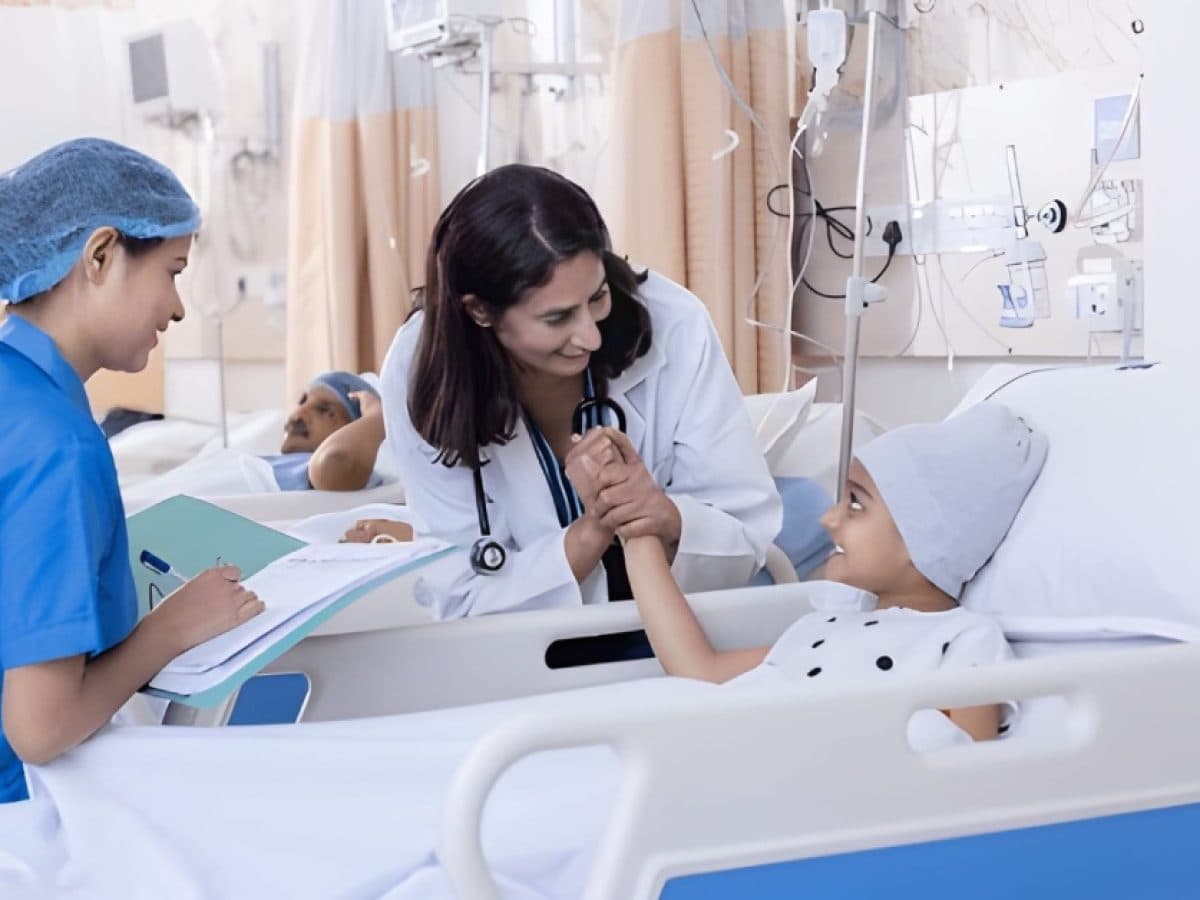
Childhood Cancer Statistics in India

Published on: 27-Aug-2026

Source: The Hindu

Share this post

Childhood Cancer Statistics in India

Article Summary

Summary of Childhood Cancer Issues in India

Key Findings:

  • India accounts for 68.6% of new childhood cancer cases in the SAARC region, with 25,939 new cases and 17,698 deaths reported annually (2022).
  • Leukaemia is the most prevalent childhood cancer (35-50% of cases), followed by central nervous system (CNS) tumors (~12%).
  • The national cancer registry in India covers only 15% of the population, primarily urban areas, leading to underreporting in rural locations.

Health Statistics:

  • Children under 14 years: Approximately 380 million in India.
  • Cure rates: Childhood leukaemia can achieve 80-90% cure rates with early diagnosis; however, overall cure rates for childhood cancers are skewed due to socioeconomic factors, with less than 30% cure rates in low- and middle-income countries, compared to over 80% in high-income nations.

Challenges:

  • Delayed diagnosis and advanced presentation of cancer significantly affect survival rates.
  • Financial Constraints: High treatment costs can lead to abandonment, worsened by the failure of initial treatments.
  • Need for a comprehensive cancer registry: Essential for accurate data, aiding in the identification of geographical patterns and factors affecting childhood cancer incidence.

Government Schemes and Policies:

  • Ayushman Bharat scheme: Provides ₹5 lakh health cover per family, subsidizing initial treatment in government hospitals.
  • As of August 11, 2026, the Supreme Court mandated all states and UTs to declare cancer as a notifiable disease to enhance data collection and reporting.

Recommendations:

  • Enhance cancer registration and reporting practices to cover rural areas, aiming for a national registry capturing diagnosis, geographical origin, and treatment outcomes.
  • Improve access to specialized healthcare and financial support for families undergoing treatment.
  • Provide improved educational resources about the importance of early diagnosis and available treatment options.

Current Developments:

  • Significant expansions of cancer treatment infrastructure across states, along with an increase in specialized paediatric oncology units, facilitating better access to care.
  • Ongoing efforts by institutions like the Cancer Institute in Chennai to establish registries and improve information sharing among hospitals.

Conclusion:

To effectively combat childhood cancer in India, a multi-faceted approach focusing on early diagnosis, improved healthcare access, financial support, and comprehensive data collection is essential for increasing survival rates and improving outcomes for affected children and their families.

Key Terms & Concepts

LeukaemiaMost common childhood cancer
SAARCRegional cancer statistic reference
37,716New childhood cancer cases annually
17,698Childhood cancer deaths annually
25,939New cases reported in India
IARCCancer registry data source
80–90%Cure rates for leukaemia with treatment
Ayushman Bharat schemeHealth coverage program in India
₹5 lakhHealth cover per family
15%Cancer registry coverage in India
Supreme CourtDirected notification of cancer
2026Year of Supreme Court directive
Regional Cancer Centre

Mind Map for UPSC Civil Services Revision

Turn UPSC Civil Services Current Affairs Into Exam-Ready Notes

Reading Economic and Social Development current affairs is half the work. Revise them with ready-made notes and test what actually stuck.

  • Daily UPSC Civil Services current affairs analysis
  • Revision notes, mind maps & MCQs
  • Prelims mock tests with instant results

Related UPSC Civil Services Current Affairs Articles

Jharkhand Widow's Inspiring Home Guard Run
National and International Importance11-Oct-2026

Jharkhand Widow's Inspiring Home Guard Run

Exam-Focused Notes on Kavita Kumari's Story and the Home Guard Recruitment

1. Background:

  • Candidate: Kavita Kumari, a widow from Jharkhand, participated in a trial run for the Home Guard recruitment.
  • Location: Soso village, Ramgarh district, Jharkhand.
Government-sponsored cancer facilities
17 of 36States notified cancer as notifiable
  • Personal Challenges: Married at a young age, lost her husband in 2023, burdened by a family debt of Rs 6 lakh, supports two children.
  • 2. Recruitment Details:

    • Event Date: The physical test for Home Guard recruitment is scheduled from October 24 to November 5.
    • Location of Test: Sidhu Kanhu Stadium.
    • Vacancies: 284 posts available in Ramgarh district from more than 16,000 applications.
    • Criteria: Candidates must complete a 1,600-meter run for selection. Female candidates require completion within 10 minutes; Kavita achieved it in 8 minutes, earning an 'Excellent' grade.

    3. Training and Preparation:

    • Training Methods: Kavita practices on uneven ground near her village, relying on YouTube for training videos as she struggles with technology.
    • Support: Trained under coach Ajay Karmali, a Home Guard, who offers free physical training at the HMT Physical Academy.

    4. Government Policies:

    • Reservation: 50% of overall posts reserved for women, 5% specifically for widows.
    • Recruitment Notification: Issued by the Jharkhand government in April 2026.

    5. Social Media Impact:

    • A video capturing Kavita's run went viral, attracting attention and support from public figures including Dumri MLA Jairam Kumar Mahato, who provided her with running shoes and a tracksuit.

    6. Economic Indicators & Livelihood:

    • Kavita works primarily at a brick kiln to support her family after having left a previous job as a security guard due to transport issues.
    • Her children attend a private school, indicating struggles with educational expenses amid financial constraints.

    7. Community Engagement:

    • Around 1,900 candidates, including 1,100 women, participated in the trial run, with many from rural areas overcoming societal challenges to train.

    8. Key Takeaways:

    • Kavita embodies resilience and determination, illustrating the struggles faced by rural women in India while seeking opportunities for economic improvement through government recruitment initiatives.
    • Importance of physical readiness and familiarity with assessment conditions in achieving competitive recruitment outcome.
    • The story reflects on societal attitudes towards women participating in physically demanding roles and the necessity of support systems and training facilities for aspiring candidates.

    Conclusion: Kavita Kumari's participation in the Home Guard recruitment trial underscores the intersection of personal resilience, community support, and government policy aimed at empowering women in public service roles.

    WHO Guidelines Address Childhood Obesity
    National and International Importance11-Oct-2026

    WHO Guidelines Address Childhood Obesity

    Summary Notes on WHO Guidelines for Managing Obesity in Children and Adolescents

    Global Health Context

    • Diabetes & Lifestyle Diseases: Rising global burden among youth; significant public health concern.
    • WHO Guidelines: First guidelines for managing obesity among children and adolescents aiming for early, family-centered interventions.

    Recommendations from WHO

    • Primary Interventions:
      • Healthier Diets
      • Physical Activity
      • Behavioral Support
    • Medical Interventions: While not entirely dismissing drugs and surgery for severe cases (especially those with conditions like type 2 diabetes), the guidelines stress non-invasive approaches first.

    India's Health Challenge

    • Dual Burden: India is facing both malnutrition and obesity issues among its youth.
    • Indian Academy of Paediatrics (2023 Guidelines):
      • Assessments for children aged 10 and above with obesity for conditions such as:
        • Hypertension
        • Abnormal blood lipids
        • Diabetes
        • Fatty liver disease

    Collaborative Approach

    • Recognition of the need for a collaborative effort involving:
      • Parents
      • Paediatricians
      • Schools

    Supportive Environments

    • WHO’s Emphasis on creating supportive environments for healthy choices, especially relevant in India:
      • Limited access to healthy food correlates with reliance on unhealthy diets.
    • Public health policy should address:
      • Regulation of advertising and promotion of unhealthy foods.
      • Increased accessibility to nutritious food options.

    Nutritional Awareness and Policy Recommendations

    • Interconnections: Research indicates links between child malnutrition and poor maternal nutrition.
    • Systemic Change Advocacy: WHO calls for:
      • Nutritional awareness campaigns.
      • Stronger regulation of junk food.
      • Women's empowerment to make healthier choices more accessible.

    Conclusion

    These WHO guidelines and the accompanying considerations from Indian health authorities underline the critical need for holistic and integrated approaches to combat obesity and improve nutritional health among children and adolescents, incorporating community, educational institutions, healthcare, and policy reforms.

    India Shines at WorldSkills Competition
    Economic and Social Development10-Oct-2026

    India Shines at WorldSkills Competition

    Summary of Key Points

    WorldSkills Competition 2026:

    • Event Details: 48th WorldSkills Competition held in Shanghai, China.
    • Participants: Over 1,400 contestants from approximately 70 countries and regions.
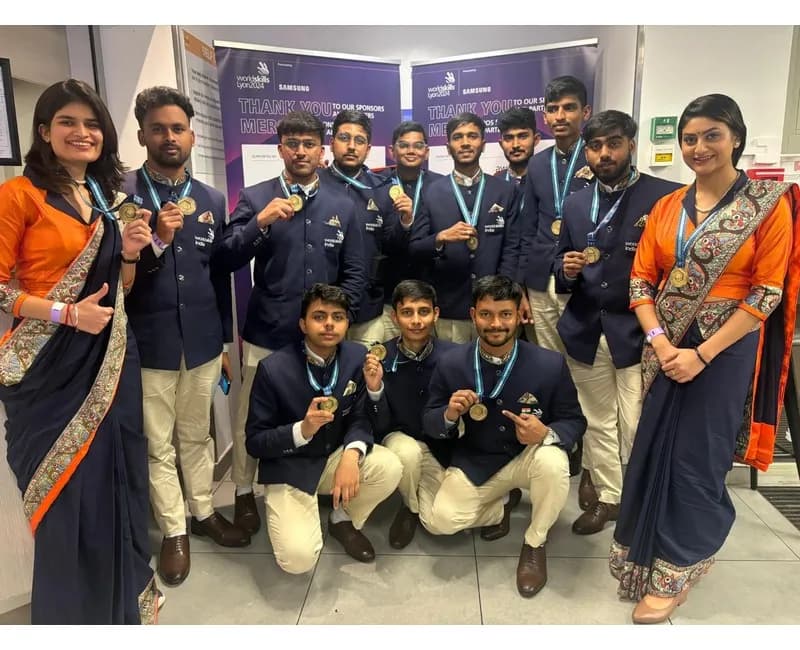
    • India's Achievement: India ranked 10th, marking its entry into the top 10 for the first time, with a total haul of 26 medals: 6 silver medals and 20 Medallions for Excellence.
    • Historical Performance:
      • 2011: 39th place
      • 2017: 19th place
      • 2019: 13th place
      • 2024: 13th place maintained

    Skilling and Workforce Development:

    • Focus Area: The importance of skill development and vocational training highlighted through the achievements of Indian participants.
    • New Categories: India competed in 11 skills for the first time, achieving notable success in dental prosthetics, digital interactive media design, retail sales, and more.

    Government Schemes and Policies:

    • Pradhan Mantri Skilling and Employability Transformation through Upgraded ITIs (PM-SETU): A ₹60,000 crore scheme aimed at upgrading 1,000 Industrial Training Institutes (ITIs) into 200 hubs and 800 spokes, with industry partnership for skill development.
    • Whole-of-Government Approach: Collaboration between the Ministry of Skill Development and Entrepreneurship, National Skill Development Corporation, and state governments to create an ecosystem supporting skill training.

    Economic Indicators:

    • Investment in Skilling: Emphasis on 'Skill-Ex' discipline as a legitimate measure of national progress alongside capital expenditure (Capex) and operational expenditure (Opex).
    • Participants in IndiaSkills: Over 3.65 lakh young people registered in 63 skills, leading to 650 national finalists.

    Constitutional and Cultural References:

    • Philosophical Context: The reference to the Bhagavad Gita (18.46) emphasizes that skill and dedicated work can serve as a form of devotion, thereby promoting respect for labor and craftsmanship.

    Significant Individual Achievements:

    • Kaif Khan, Mohammed Salam, Saniya Joshi: Notable recipients of medals, showcasing diverse skill areas such as car painting and dental prosthetics, reflecting the potential of young individuals in skill-based careers.

    Conclusion

    The increasing recognition of skill-based occupations, exemplified by India's historical achievements in the WorldSkills Competition and supported by governmental initiatives like the PM-SETU scheme, signifies a pivotal shift towards valuing vocational training as much as academic success. The efforts aim to elevate India's position as a global leader in skill development.

    India's New Policy on Critical Minerals
    Economic and Social Development10-Oct-2026

    India's New Policy on Critical Minerals

    Summary of Key Facts, Policies, and Developments

    1. Policy Development:

    • The Ministry of Mines is developing a new policy for stockpiling critical minerals, expected to be finalized within one month.
    • This initiative responds to increasing supply chain vulnerabilities and aims to reduce import dependency.

    2. Importance of Critical Minerals:

    • Key minerals include copper, lithium, nickel, cobalt, and rare earth elements vital for clean energy technologies, such as:
      • Wind turbines
      • Electricity networks
      • Electric vehicles (EVs)
      • Battery manufacturing

    3. Current Challenges:

    • India relies 100% on imports for most critical minerals and has low domestic processing capacity.
    • India's overseas efforts via Khanij Bidesh India Ltd (KABIL) for securing mineral assets have encountered significant obstacles, particularly in Australia, Vietnam, Mali, and Chile.
    • Progress has only been noted in Argentina with the acquisition of five lithium brine blocks.
    WHO Guidelines on Child Obesity
    Economic and Social Development10-Oct-2026

    WHO Guidelines on Child Obesity

    Summary of Key Points on Obesity Management in Children

    1. Global Burden of Diabetes and Lifestyle Diseases:

      • Increasing prevalence among young populations, particularly in developing nations like India.
    2. WHO Guidelines on Childhood Obesity:

      • First-ever guidelines addressing obesity in children and adolescents.
      • Emphasizes early, family-centered interventions, with a focus on:
        • Healthier diets.
        • Physical activity.
        • Behavioral support.
      • Acknowledges that pharmaceuticals and surgical options may be used for severely obese adolescents with comorbid conditions (e.g., type 2 diabetes).
    3. Indian Context:

      • India faces a dual challenge of addressing both malnutrition and obesity concurrently.
      • Indian Academy of Paediatrics (2023 Guidelines):
        • Recommends assessment of children over 10 years old for health issues related to obesity, such as hypertension, abnormal blood lipids, diabetes, and fatty liver disease.
    Debate Over Angioplasty Necessity
    Health and Medical Procedures09-Oct-2026

    Debate Over Angioplasty Necessity

    Summary Notes on Angioplasty Debate in Kerala

    Key Issues:

    • Kerala Chief Minister V D Satheesan expresses concerns over the necessity of angioplasty procedures, suggesting that some hospitals perform them without medical need.
    • The Indian Medical Association (IMA) acknowledges the importance of avoiding unnecessary medical procedures while cautioning against sweeping statements that could undermine trust in medical professionals.

    Angioplasty Overview:

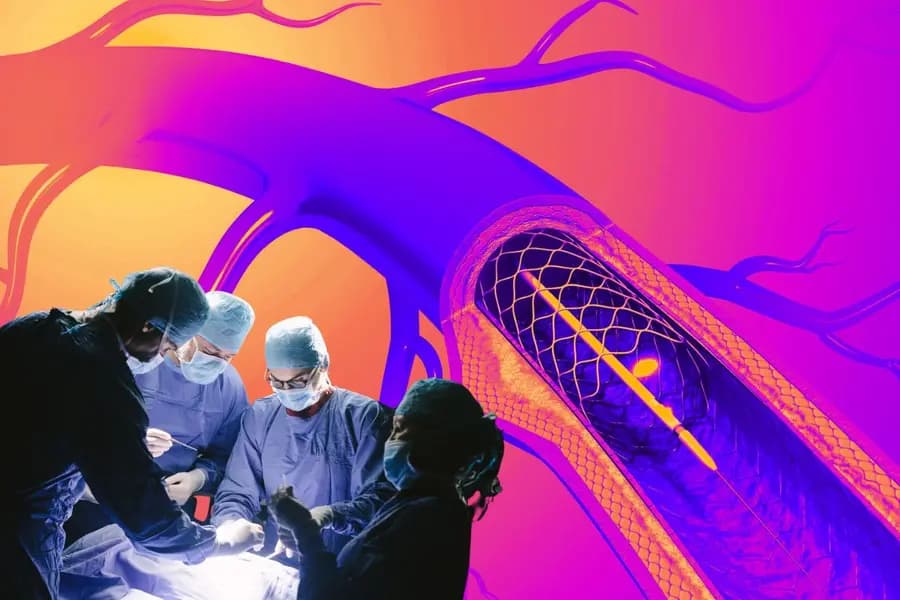
    • Angioplasty is a procedure that opens blocked heart arteries, often involving the placement of a stent to ensure blood flow.
    • It is critical during acute heart attacks but may not provide additional benefits for patients with stable coronary artery disease, as multiple studies indicate limited need for such interventions unless there are severe blockages.

    Statistics and Data:

    • Kerala is ranked third in coronary stent usage in India, following Maharashtra and Karnataka, as per National Interventional Council data.
    • A coronary artery blockage generally requires at least 70% narrowing (or 50% in critical areas) before stenting is deemed necessary.

    Clinical Guidelines:

    • Decisions on angioplasty must be individualized, considering the patient's clinical condition, test results, and risk factors.
    • Testing procedures vary with risk estimation based on patient demographic and symptomatic history (age, sex, symptoms).

    Patient Anxiety and Perception:

    • Patients often face anxiety and are affected by misinformation about angiograms, leading to difficulty in interpreting results.
    • Trust issues can arise if patients feel procedures are being pushed unnecessarily, causing them to delay life-saving interventions during heart attacks.

    Educational Focus:

    • It is suggested that public messaging should clarify the need for angioplasty targeting the right patients rather than general avoidance.
    • Importance of informed decision-making where patients understand the rationale for procedures and are included in discussions about their treatment options.

    Recommendations for Best Practices:

    • Emphasize the importance of shared decision-making between doctors and patients.
    • Instituting public awareness campaigns regarding when urgent intervention is necessary and the risks/alternative treatments available.
    • Clinical audits recommended through proper medical bodies to ensure adherence to evidence-based medical practices.

    Conclusion

    The discourse surrounding angioplasty in Kerala raises significant questions about medical necessity and the associated psychological effects on patients. Emphasizing informed consent, clear communication, and adherence to clinical guidelines is essential for the appropriate use of such interventions.

    4. Strategic Framework:

    • The National Critical Minerals Mission (NCMM) has proposed the National Critical Mineral Stockpile Programme:
      • Aims to mitigate global supply chain risks.
      • Budget allocation of Rs 500 crore from 2024-25 to 2030-31.
      • Plans to stockpile at least 5 critical minerals to meet domestic needs during emergencies.

    5. Domestic Processing Capacity:

    • To address dependence on imports and China, which controls 90% of global critical mineral processing, India is enhancing domestic processing capabilities.
    • Four states designated for critical mineral processing plants:
      • Andhra Pradesh & Gujarat: Rare earth elements
      • Odisha: Nickel
      • Maharashtra: Lithium

    6. Indigenous Technology Development:

    • The government recognizes the need for indigenous technology development for mineral processing as countries with advanced technology are reluctant to share.
    • Nine Centers of Excellence have been established to promote progress in this area.

    7. Future Schemes:

    • Plans are in place for a new scheme focusing on lithium and nickel to support the battery manufacturing ecosystem.
    • Efforts to frame a comprehensive policy to promote critical mineral processing, targeting strategic minerals essential for electric vehicles.

    Economic Context:

    • The initiatives signify a shift towards self-reliance in critical mineral sourcing and processing in line with the broader goals of India’s economic independence and sustainability in the energy sector.

    Conclusion:

    • The policy initiatives and strategic actions underline India's commitment to securing essential minerals, enhancing domestic capacities, and fostering technology development in critical mineral processing. These steps are aimed at safeguarding against future supply chain disruptions and positioning India as a key player in the global clean energy movement.
  • Alignment with WHO strategies advocating a comprehensive approach involving parents, pediatricians, and schools.
  • Supportive Environments:

    • WHO underscores the importance of creating "supportive environments" for healthier choices.
    • Emphasis on addressing access to nutritious food, particularly for children reliant on poor diets due to limited options.
  • Public-Health Policy Implications:

    • Need for regulations against advertising and promotion of unhealthy foods.
    • Strengthening availability and accessibility of nutritious food alternatives.
    • Calls for "systemic change" to tackle the root causes of obesity and malnutrition.
    • Highlighting the links between child malnutrition and poor maternal diets emphasizes the need for broader public health initiatives.
  • Policymaker Recommendations:

    • Governments should integrate nutritional awareness into public health policy.
    • Women’s empowerment and facilitating healthier food choices must be prioritized due to their impact on family nutrition.
  • This summary encapsulates significant findings and recommendations from recent health guidelines and studies on childhood obesity and its management.