iAspirants
Concerns Over Ecological Damage in Kashmir
Published on:
Source: Indian Express
Share this post
Article Summary
Exam-Focused Summary: Sheshnag Lake Controversy
Location & Significance:
- Sheshnag Lake is situated at an elevation of 3,590 meters (11,780 feet) on the Pahalgam-Amarnath cave trek, which is a significant pilgrimage route for the Amarnath Yatra in Hinduism.
- It is regarded as ecologically sensitive and is surrounded by other high-altitude glacial lakes and glaciers feeding the Lidder stream, a tributary of the Jhelum river.
Environmental Concerns:
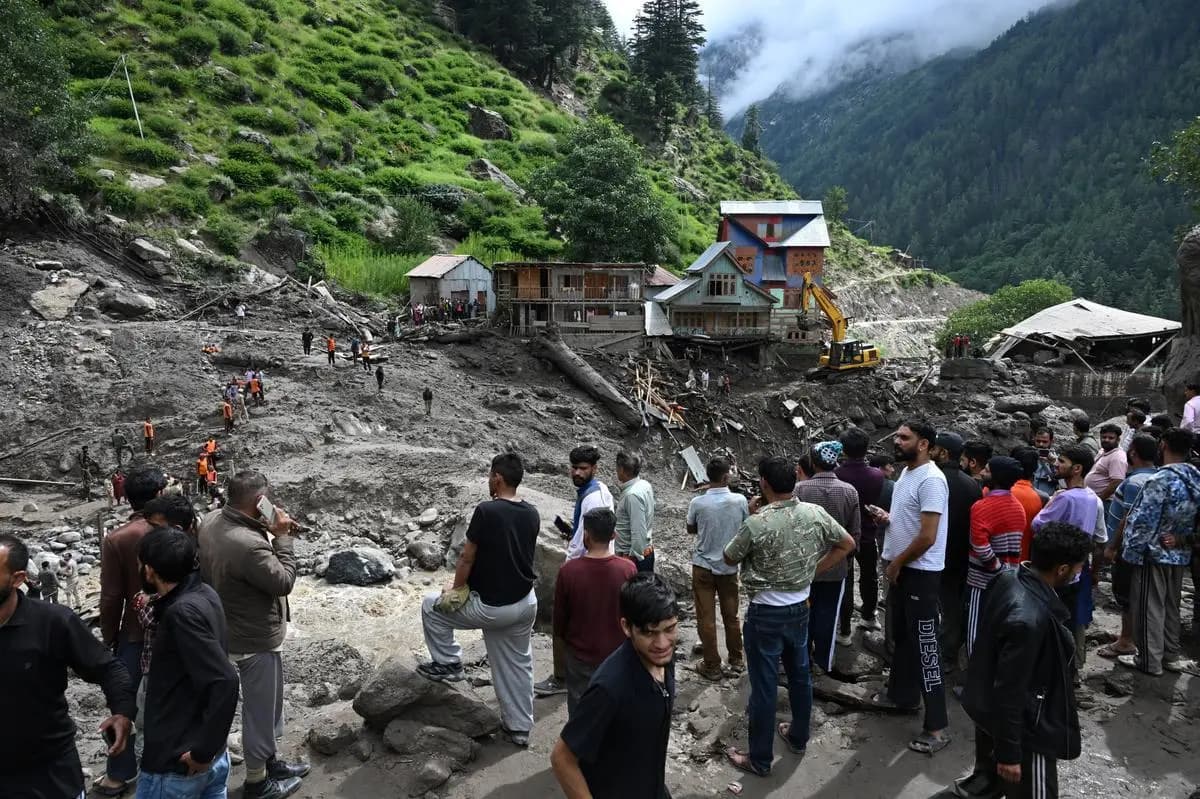
- Excavation activities reported on the shores of Sheshnag have raised alarms regarding potential ecological damage in the fragile Himalayan environment.
- Concerns are specifically centered around the impact on the sensitive ecosystem of the Lidder valley and the sacred status of the lake in Hindu tradition.
Government Response:
- The Border Roads Organisation (BRO) is responsible for the ongoing excavation and widening of the tracks to facilitate pilgrim access, asserting compliance with safety norms and environmental safeguards.
- The BRO claimed that the work was necessary to stabilize vulnerable sections and ease pedestrian congestion during the Yatra.
Legal and Judicial Background:
- In response to previous incidents of pilgrim fatalities, the Supreme Court of India mandated the widening of tracks along the Amarnath route, stipulating that such development must respect ecological limits.
- The Court emphasized that no motorable road should replace existing walking tracks in these sensitive areas.
Government Schemes & Financial Commitments:
- In April 2023, Union Minister Nitin Gadkari announced a plan worth ₹5,300 crore aimed at improving access to the Amarnath shrine, which includes widening existing routes but does not permit vehicles for pilgrims to prevent congestion.
Pilgrimage Route Information:
- Two primary routes for the Amarnath Yatra:
- Pahalgam-Chandanwari-Sheshnag-Amarnath Cave
- Baltal-Amarnath Cave from Sonamarg
- Recent developments included the Baltal route being widened to accommodate vehicles, although this raised fears that similar projects could threaten ecological balance.
- Two primary routes for the Amarnath Yatra:
Cultural Significance:
- According to Hindu beliefs, the lake is associated with Lord Shiva who is said to have left his serpents at Sheshnag while journeying to the Amarnath cave to share the secret of immortality (Amar Katha) with goddess Parvati.
- The lake is mentioned in the historical chronicle "Rajtarangni," highlighting its cultural relevance.
Call for Accountability:
- Critics are demanding clarity from the BRO regarding environmental clearances and the ecological ramifications of construction in this sensitive area.
This summary encompasses significant data and events regarding the ongoing controversy surrounding Sheshnag Lake and its implications for environmental policy, cultural heritage, and pilgrimage infrastructure, reflecting a comprehensive view of the situation.
Key Terms & Concepts
| Sheshnag Lake | Ecologically sensitive site |
| Amarnath Yatra | Pilgrimage route |
| Pahalgam | Trekking starting point |
| Baltal-Amarnath route | Alternative pilgrimage path |
| Lidder Valley | Ecologically fragile ecosystem |
| Supreme Court | Judicial oversight |
| Border Roads Organisation (BRO) | Responsible for road widening |
| 12 feet | Minimum track width requirement |
| Rs 5,300 crore | Funding for Amarnath access |
| 2012 | Year of significant incidents |