iAspirants
Concerns Over Meta's Smart Glasses
Published on:
Source: The Hindu
Share this post
Article Summary
Exam-Focused Notes on Smart Glasses and Privacy Concerns
1. Introduction to Smart Glasses
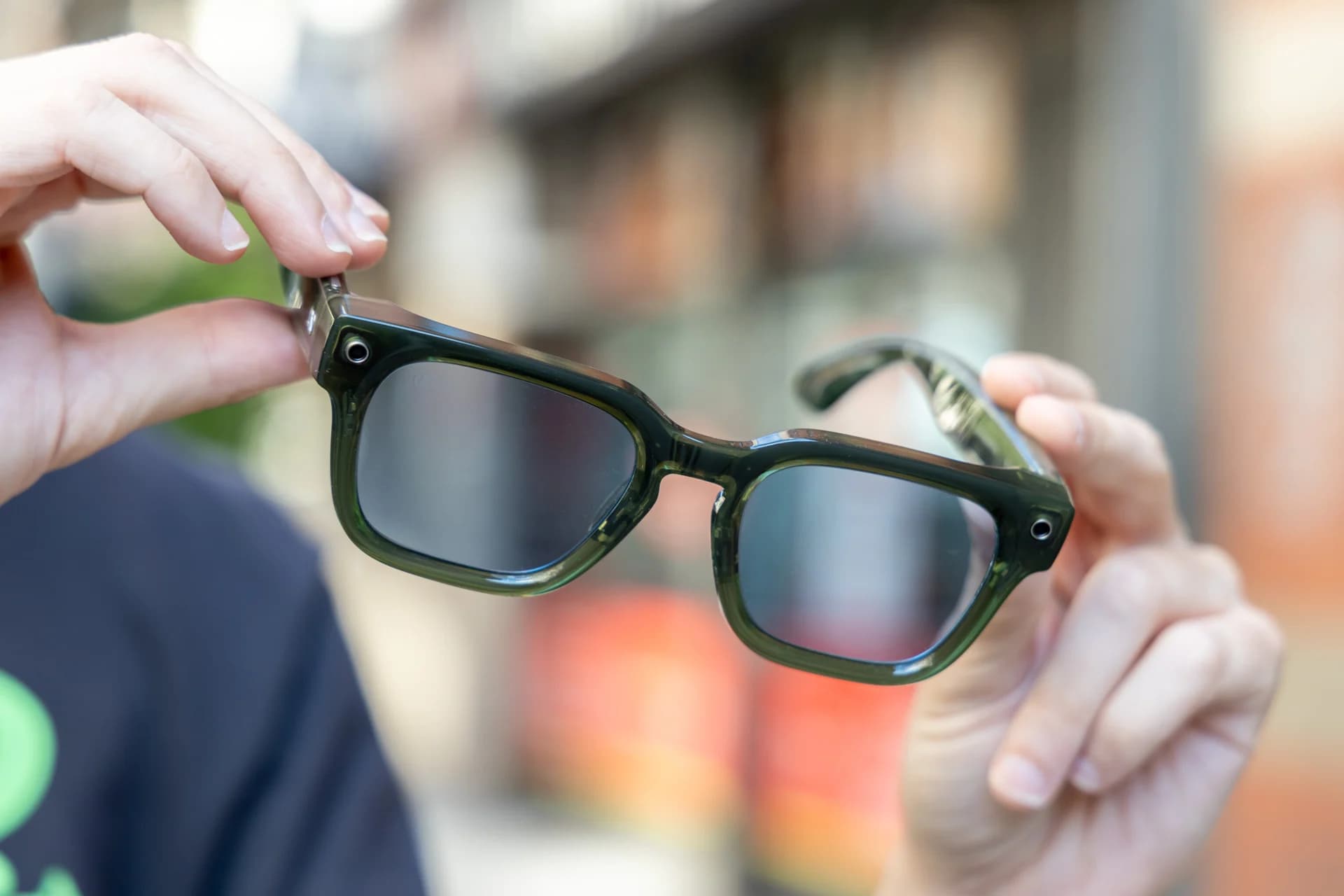
- Smart glasses are wearable technology enabling users to see notifications, answer calls, and capture photos/videos directly via integrated AI features.
2. Features and Advertising
- Meta’s smart glasses retail at approximately ₹25,000 in India.
- Incorporates: tiny speakers, microphones, and a lightweight camera.
- Publicly marketed as “normal-looking eyewear” with discreet technology.
3. Concerns Regarding Privacy
- Historical context: Kylie Jenner's promotion contrasts her past concerns on privacy.
- Enhanced risk of privacy invasion due to capabilities of discreet recording.
- Advertisement of stickers that claim to cover LED recording indicators raises concerns about users’ awareness of ongoing recordings.
- Shutter sounds don’t serve as substantial privacy indicators.
4. Data Collection Insights
- Meta’s disclosure: Data is collected to ensure app reliability and user experience.
- Review practices by contracted workers can expose sensitive content, heightening privacy concerns.
5. Statistics on Cybercrimes Against Women
- NCRB Data (2023):
- 3,678 cases of women-centric cybercrimes.
- 2,767 cases involved distribution of sexually explicit material.
- Concerns amplified regarding the ease of non-consensual recording.
6. Child Safety Threats
- NCRB (2023): Over 698 cases concerning the use/storage of child sexual abuse material.
- Capability of smart glasses to record without knowledge poses severe risks to minors.
7. Battery Life and Potential for Misuse
- Battery life of 4-9 hours enables extensive recording capabilities.
8. Legal Framework and Gaps
- Digital Personal Data Protection Act, 2023 (DPDPA): Technologically agnostic; focuses more on data purpose than the method of collection.
- Following K.S. Puttaswamy vs. Union of India (2017): Reasonable expectation of privacy recognized as a fundamental right under Article 21 of the Constitution.
- Gaps in DPDPA: Does not regulate recordings in public spaces, undermining the privacy expectation established in the Puttaswamy judgment.
9. Recommendations for Legislative Action
- Propose creating laws that recognize and adapt to innovations in AI and integrated technologies.
- Emphasize the need for protective measures regarding non-consensual data collection and emerging privacy threats.
- Evaluate obligations of technology companies in ensuring user and public safety.
10. Conclusion
- Rapid technological advancements through devices like smart glasses underscore an urgent need for reform in privacy laws and public awareness to mitigate associated risks.
Key Takeaways
- There is a critical need for updated regulations that reflect evolving technology and ensure robust protection of individual privacy rights in public spaces.
- Legislative attention is needed to address gaps in current laws like the DPDPA and protect vulnerable populations from emerging privacy threats.
Key Terms & Concepts
| Meta’s smart glasses | AI-powered wearable technology |
| ₹25,000 | Retail price in India |
| 3,678 cases | Women-centred cybercrime in 2023 |
| Digital Personal Data Protection Act, 2023 | Data protection law in India |
| K.S. Puttaswamy vs. Union of India | Landmark privacy judgment |
| Article 21 | Fundamental right to privacy |
| 4-9 hours | Battery life of glasses |
| NCRB reports | Government crime data source |
| Svenska Dagbladet | Investigative news source |
| Goteborgs-Posten | Investigative news source |