iAspirants
Controversy Over Voter Registration Process
Published on:
Share this post

Article Summary
The article discusses the controversy surrounding the Special Intensive Revision (SIR) of electoral rolls in Bihar, particularly the role and powers of the Electoral Registration Officers (EROs) in registering voters. Key points highlighted in the article include:
Electoral Registration Officers (EROs):
- EROs are appointed under Section 13B of the Representation of the People Act, 1950, and typically consist of civil service or revenue officers.
- In Bihar, the EROs are from the Bihar Administrative Service, holding the rank of Senior Deputy Collector and above.
Discretionary Powers:
- EROs have significant discretionary powers regarding the inclusion or exclusion of voters who cannot provide the necessary documentation.
- According to the Election Commission's manual (March 2023), EROs can verify voter eligibility through affidavits, local inquiries, testimonies from village heads, or physical examinations, particularly concerning age and proof of residence.
Documentation Challenges:
- The SIR process specifies 11 accepted documents for voter registration. For those lacking these documents, various proofs like school leaving certificates or affidavits from village heads may be utilized.
- EROs, like those from the Chapra constituency, express concerns regarding individuals without documentation and have been advising applicants to seek domicile or permanent residency certificates.
Opposition Concerns:
- Opposition parties warn that the powers given to EROs may lead to politically biased decisions since EROs are state officials who could be influenced by the ruling party.
- The RJD Rajya Sabha MP Manoj K. Jha highlighted the risk of potential arbitrary exclusions, as EROs can decide based on their satisfaction level.
Response to Protests:
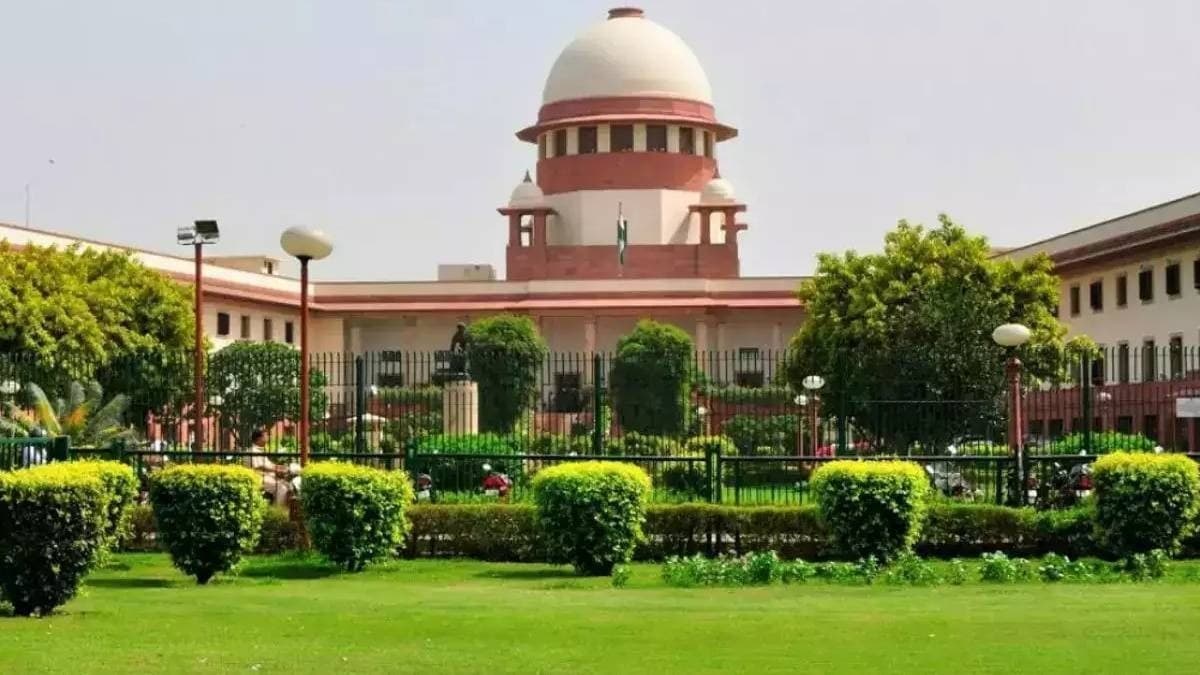
- In response to these concerns, opposition members have approached the Supreme Court and conducted a Bihar bandh (shutdown) to protest against the SIR process.
Electoral Roll Statistics:
- A report from the Election Commission of India states that as of July 9, 2025, over 4.53 crore enumeration forms have been collected, representing 57.48% of the existing 7.9 crore electors in Bihar.
In conclusion, the ongoing SIR process in Bihar is marred by controversies surrounding the powers and discretion of EROs in voter registration, the adequacy of documentation, and the potential for political influence on electoral integrity.
Important Points:
- EROs are appointed under Section 13B of the Representation of the People Act, 1950.
- They can decide voter eligibility using alternative proofs in the absence of required documents.
- Concerns about discretionary powers leading to potential political influence have been raised by opposition parties.
- Ongoing protests against the SIR process include a Bihar bandh and a Supreme Court appeal.
- As of July 9, 2025, over 4.53 crore enumeration forms have been collected, covering 57.48% of existing voters in Bihar.
Key Terms & Concepts
| Electoral Registration Officer (ERO) | Decides voter inclusion/exclusion |
| Election Commission | Regulates electoral rolls process |
| Booth Level Officer (BLO) | Conducts field verification |
| Bihar Administrative Service | Appoints EROs for election |
| Representation of the People Act, 1950 | Legal framework for elections |
| Supreme Court | Reviewer of electoral disputes |