iAspirants
Controversy Surrounding Martyrs' Day 2025
Published on:
Share this post
Article Summary
Summary of the Kashmir Martyrs Day Controversy
Overview:
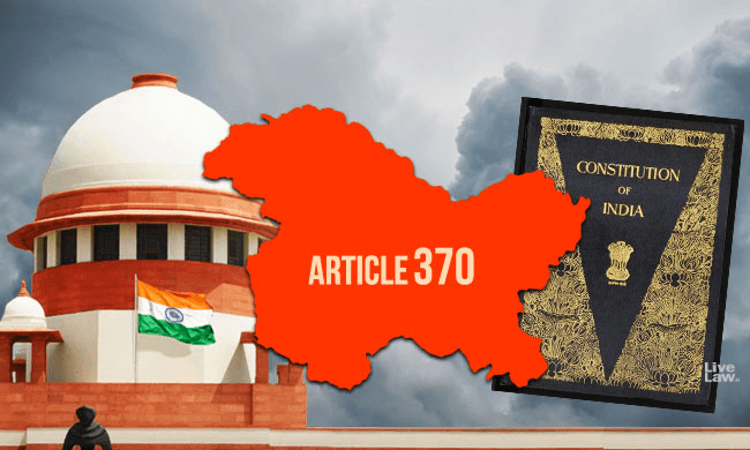
Kashmir Martyrs Day, observed on July 13, commemorates the killing of 22 individuals in 1931 during protests against the Dogra regime. The day has become a focal point of political contention since the abrogation of Article 370 in August 2019, which ended Jammu and Kashmir's special status and nullified its official holiday. In 2025, with an elected government in place, major political parties intended to pay homage at the Martyrs' Cemetery, but the BJP opposed this, leading to multiple political leaders being placed under house detention by the Jammu and Kashmir Police.
Historical Context:
- July 13, 1931 Incident: The commemoration stems from a protest where 22 individuals were shot by police outside the Srinagar central jail. This event is considered a pivotal moment in Kashmir's struggle against oppression, marking the assertion of Muslim identity in the region.
- Background: Abdul Qadeer Khan incited protests against the Dogra rulers in June 1931, which culminated in the charged protest on July 13, where a large crowd gathered for a trial.
Political Dynamics:
- The day was officially recognized until August 2019; after which, commemorative events were curtailed by the new government led by a Lt Governor appointed by the Central government.
- The BJP, traditionally opposed to the Martyrs Day celebration, has sought to replace it with a holiday on the birth anniversary of Maharaja Hari Singh, the Dogra king during the time of the killings.
Recent Developments (July 2025):
- The National Conference and other political parties intended to hold a remembrance event for Martyrs Day, but faced governmental restrictions on commemorating the day.
- The National Conference, led by Chief Minister Omar Abdullah, attempted to navigate this sensitive issue without confrontation, though it faced criticism for its perceived inaction.
- Several political leaders were placed under house arrest by the police to suppress any gatherings, eliciting a response from Abdullah, who drew historical parallels by likening the massacre to the Jallianwala Bagh incident.
Important Takeaways:
- The political landscape in Jammu and Kashmir is significantly influenced by historical events like Martyrs Day, which represents a struggle against oppression and the assertion of regional identity.
- The repeal of Article 370 has shifted the dynamics of political recognition and celebration of local history.
- The event serves as a poignant reminder of the complexities surrounding identity, governance, and memory in Kashmir’s contemporary political discourse.
Key Dates:
- July 13, 1931: Incident leading to mass casualties and the historical basis for Martyrs Day.
- August 5, 2019: Abrogation of Article 370, leading to the cessation of Martyrs Day as an official holiday.
Political Implications:
- The current government’s actions reflect ongoing tensions between local political aspirations and central government policies.
- Elected leaders' responses to historical events, such as Martyrs Day, can significantly influence public perception and political stability in the region.
Bullet Points:
- July 13 commemorates the 1931 killings of 22 protesters against the Dogra regime in Kashmir.
- The day was abolished as an official holiday following the abrogation of Article 370 on August 5, 2019.
- In 2025, political parties planned gatherings to honor Martyrs Day but faced police restrictions with leaders placed under house arrest.
- The historical backdrop includes Abdul Qadeer Khan's influential speech against the Dogra rulers in June 1931.
- Ongoing political disputes reflect divisions between the BJP's stance and local parties advocating for the recognition of Martyrs Day.
- Chief Minister Omar Abdullah criticized the government's actions, comparing the event to historical injustices like the Jallianwala Bagh massacre.
This summary reflects the complex interplay of history, politics, and regional identity amidst the evolving narrative in Jammu and Kashmir.
Key Terms & Concepts
| July 13 | Martyrs' Day commemoration date |
| Article 370 | Legal provision abrogated |
| Jammu and Kashmir | Region of political focus |
| Dogra regime | Historical governance in Kashmir |
| National Conference | Political party in Kashmir |
| BJP | Political opposition in Kashmir |
| Martyrs' Cemetery | Commemoration site in Srinagar |
| L-G administration | Current governing body |
| Maharaja Hari Singh | Historical figure and ruler |