iAspirants
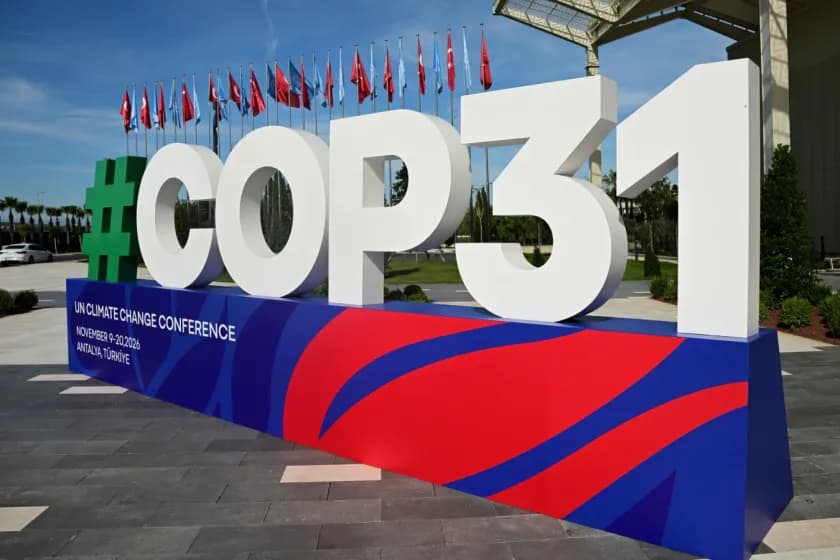
COP31 Highlights Climate Change Challenges
Published on:
Source: Indian Express
Share this post

Article Summary
Climate Change and COP31 Summary Notes
Climate Change Impact
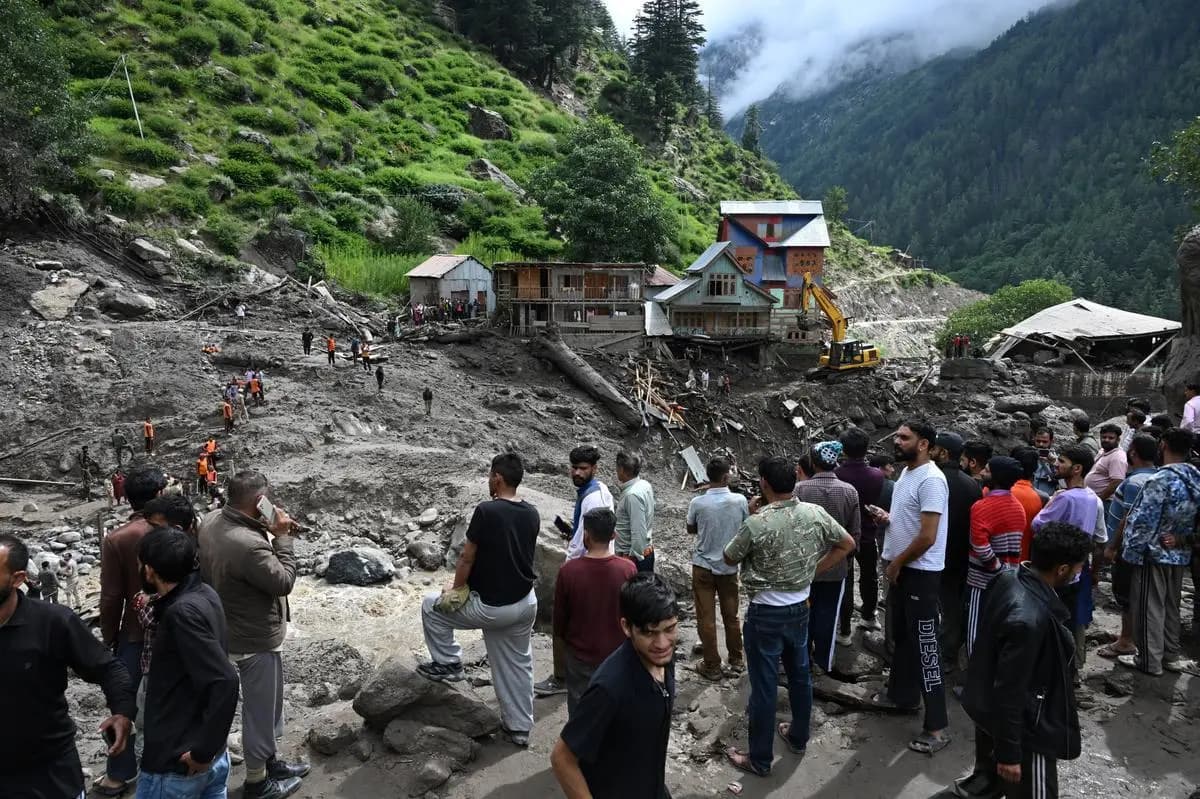
- Severe Events: Catastrophic floods in Nepal, severe drought affecting 6.5 million in Somalia, extreme heat across South Asia, heat dome in North America, and extensive wildfires in Canada.
- Statistics: Over 50,000 lives lost in Europe due to extreme heat this summer.
COP31 Highlights
- Location: Antalya, Turkey.
- Duration: Longest COP conference held to date.
- Key Issues: Failure to reach agreement on fossil fuels and climate finance despite extensive negotiations.
- Global Warming Projections: Previous forecasts indicated potential warming of 4°C, revised to approximately 2.8°C.
Challenges and Critique
- Fundamental Questions: Persisting uncertainties regarding financial responsibility and action commitment.
- Fossil Fuels: COP31's final decision sidestepped explicitly naming fossil fuels as a primary concern, despite earlier commitments.
- Electrification Goal: Turkish presidency aimed for 35% electrification by 2035, raising questions about funding sources and energy transitions.
Economic Context
- Financial Disparity: Wealthy nations citing limited public budgets while simultaneously investing heavily in fossil fuel subsidies.
- Profit Figures: Major oil and gas companies collectively earned $150 billion in profits in the first nine months of the year.
Proposed Solutions
Integrated Bargain:
- Create direct links between action, finance, and technology in negotiations.
- Clear definitions of actions and associated costs from each country.
- Commitment from wealthy nations towards realistic financial contributions.
- Establish predictable funding linked to measurable actions from developing countries.
Minilateralism Approach:
- Form smaller coalitions (e.g., G20, BRICS, Quad) to discuss and negotiate climate issues outside the main COP forum.
- Use outcomes from these discussions to inform the broader COP conversations.
Inclusivity and Future Outlook
- Need to maintain representation for vulnerable groups such as Least Developed Countries and the Alliance of Small Island States to ensure equitable outcomes.
- Emphasizing the urgency of action against climate change, noting that communities cannot afford delays in response to climate-related disasters.
Key Takeaways
- The climate crisis is immediate and exacerbating; traditional negotiation frameworks are insufficient.
- A call for innovative approaches to climate diplomacy is necessary to achieve substantive commitments.
- Recognition that climate adaptation finance and technology access are crucial for supporting developing nations in tackling climate challenges effectively.
Key Terms & Concepts
| 31st Conference of the Parties (COP31) | International climate negotiations |
| Antalya, Turkey | Location of COP31 |
| 1.5°C warming limit | Climate target threshold |
| 35% electrification by 2035 | Turkish presidency initiative |
| $150 billion | Profits by oil and gas companies |
| G20, BRICS, Quad | Proposed negotiation coalitions |
| Least Developed Countries | Vulnerable countries bloc |
| Alliance of Small Island States | Vulnerable countries bloc |
| COP28 pledge | Commitment to move from fossil fuels |
| fossil fuel subsidies | Financial support for fossil fuels |
| carbon emissions | Main contributor to climate change |
| electrification | Transition to electric energy |