iAspirants
Current AffairsPrelims PYQsUPSC CSE SyllabusUPSC CSE StrategyBlogsPricing
Login
iAspirants

Your AI-powered companion for UPSC preparation.

Quick Links

  • Home
  • About Us
  • Current Affairs
  • Prelims PYQs
  • UPSC CSE Syllabus
  • UPSC CSE Strategy
  • Blogs

Company

  • Pricing
  • FAQs
  • Contact Us
  • Login

Legal

  • Privacy Policy
  • Terms & Conditions
  • Return Policy

© 2025 iAspirants, Inc. All rights reserved.

  1. Blogs
  2. Environment and Ecology

CPCB Deploys Squads Against Stubble Burning

Published on: 06-Oct-2026

Source: The Hindu

Share this post

CPCB Deploys Squads Against Stubble Burning

Article Summary

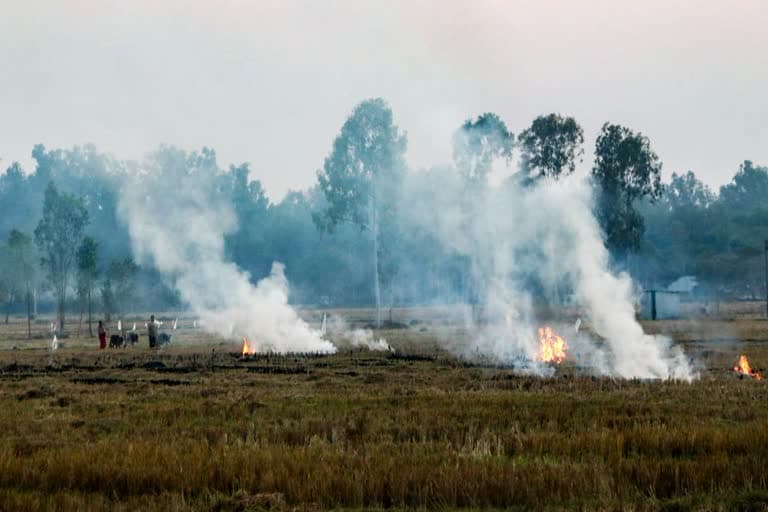
  • Authority & Actions: The Central Pollution Control Board (CPCB) has initiated a deployment of flying squads in response to directives from the Commission for Air Quality Management in the National Capital Region (NCR) and adjoining areas (CAQM).

  • Operational Details:

    • Timeframe: October 1 to November 30.
    • Coverage: 34 districts – 18 in Punjab and 16 in Haryana.
  • Objective: The squads aim to monitor and control stubble burning, especially during the paddy harvesting season, and will work on-ground to prevent environmental pollution.

  • Coordination Mechanism:

    • The flying squads will engage with:
      • Farmers
      • Parali Protection Force
      • District-level authorities
      • State government nodal officers
      • Officers of the respective State Pollution Control Boards
      • CAQM Cell at S.A.S. Nagar
      • Report situation daily to CAQM Cell.
  • Focus Areas:

    • Ensure compliance with environmental directives.
    • Address issues in vehicular and industrial sectors.
    • Mitigate road and construction dust alongside stubble burning.
  • Environmental Context: The initiative is part of broader efforts to enhance air quality in the NCR region, reducing pollution spikes typically associated with agricultural waste burning, particularly after the harvest season.

  • Importance: Addressing stubble burning is crucial for both environmental protection and public health, particularly in urban areas affected by air quality deterioration due to such practices.

This summary highlights the essential actions, structures in place, and objectives of the stubble burning prevention efforts initiated by the CPCB in coordination with other agencies, reflecting the importance of environmental governance in India.

Key Terms & Concepts

Central Pollution Control Board (CPCB)Regulatory body for pollution
Flying squadsMonitor stubble burning
Commission for Air Quality Management (CAQM)Authority directing pollution control
Punjab and HaryanaRegions affected by stubble burning
October 1 to November 30Duration of monitoring period
Paddy harvesting seasonCritical time for stubble burning
Parali Protection ForceAssist in coordination efforts
Daily reporting to CAQM CellFeedback mechanism initiated

Mind Map for UPSC Civil Services Revision

Turn UPSC Civil Services Current Affairs Into Exam-Ready Notes

Reading Environment and Ecology current affairs is half the work. Revise them with ready-made notes and test what actually stuck.

  • Daily UPSC Civil Services current affairs analysis
  • Revision notes, mind maps & MCQs
  • Prelims mock tests with instant results

Related UPSC Civil Services Current Affairs Articles

Bird Migration Trends in Chennai
Environment and Ecology05-Oct-2026

Bird Migration Trends in Chennai

Summary of Migratory Bird Patterns and Biodiversity in Chennai

Key Findings:

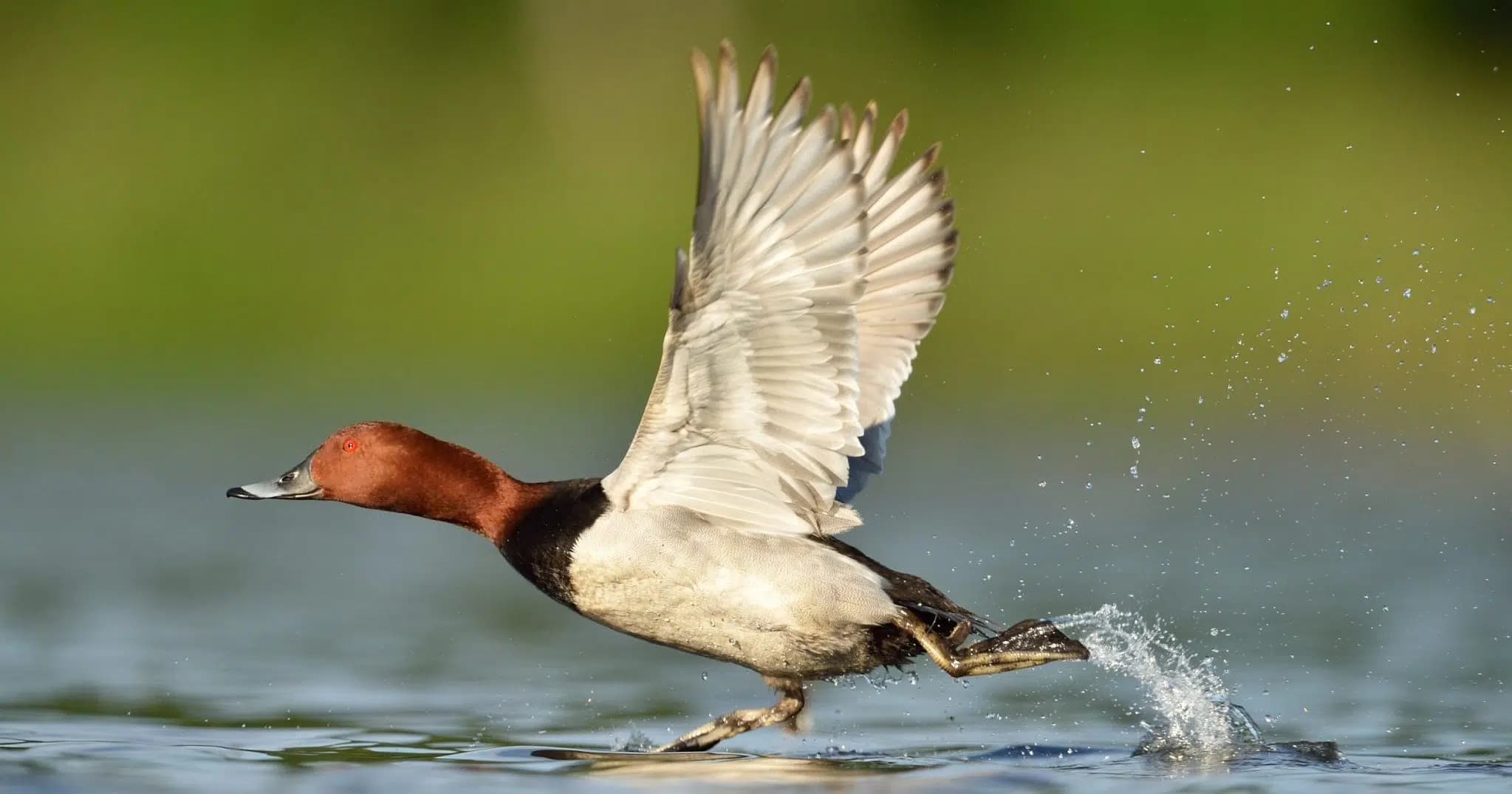
  • Early Migrant Arrivals: The grey-headed lapwing, a long-distance migratory bird from East Asia, was sighted in Chennai on September 20, 2026, nearly two weeks earlier than its usual arrival in the first week of October.
  • Bird Species Observed:
    • Pallikaranai Marshland: Notable species include Terek sandpiper, lesser sand-plover, marsh sandpiper, and black-tailed godwit.
    • IIT-Madras: Paradise flycatcher, blue-tailed bee-eater, booted eagle observed.
    • Adyar Estuary: Recorded shorebirds such as Caspian terns, whiskered terns, Eurasian whimbrels, European roller, and common greenshanks.
    • Nemmeli Salt Pans: 56 bird species recorded in a two-hour survey, highlights include a flock of garganeys and over 600 greater flamingos.
  • Environmental Context:

    • Urban Pressure on Biodiversity: The bird habitats, especially in Pallikaranai, are experiencing pressure from urbanisation, impacting migratory patterns and bird populations.
    • Importance of Weather Conditions: Factors such as weather conditions, rainfall, and food availability affect migration patterns, although specific causes for the early arrivals remain unidentified.

    Biodiversity Significance:

    • Chennai’s coastal and wetland ecosystems play a crucial role in supporting migratory birds, many of which traverse thousands of kilometers from regions in Northern Europe and Central Asia to southern India.
    • The presence of unique species and large flocks highlights the ecological importance of Chennai as a migratory route and habitat for waterbirds.

    Future Observations:

    • Birdwatchers are keenly anticipating sightings of unique migratory species like the Demoiselle crane, enhancing the region's biodiversity documentation efforts.

    Conclusion:

    The changes in migratory patterns and the variety of species observed in Chennai reflect ongoing shifts in environmental conditions, emphasizing the need for conservation efforts to protect these vital habitats.

    Environmental References:

    • Biodiversity in Chennai: Critical for bird species during seasonal migrations.
    • Pressure from Urbanization: Noted impact on natural habitats.
    • Citizen Science: Engagement by local birdwatchers contributes to biodiversity records and awareness.

    These observations serve as a reminder of the delicate balance in ecosystems and the impacts of climate change and urban expansion on wildlife.

    Concerns Over Puthukkad Flyover Construction
    Environment and Ecology05-Oct-2026

    Concerns Over Puthukkad Flyover Construction

    Environmental Concerns and Proposed Flyover in Kerala

    1. Project Overview:

      • Proposed Puthukkad flyover on National Highway (NH) 544, 1.38 km long.
      • Designed with 1,380 meters raised on an earth-filled embankment, with only 70 meters at ground level at the Puthukkad Signal Junction.
    2. Environmental Impact:

      • Concerns raised by the Puthukkad Melpalam Janakeeya Samithi regarding obstruction of natural drainage, potentially worsening flooding in low-lying areas.
      • Historical waterlogging in the region during intense rainfall events in 2018 and 2019, with a notable incident in 2024 when the Peechi dam was opened unexpectedly.
    3. Geographical Sensitivity:

      • Puthukkad is in a sensitive area for flood management; the proposed design could impede floodwater flow from the eastern hills to lower areas.
      • The area is situated between the Manali and Kurumali rivers, influencing existing drainage patterns.
    4. Call for Assessments:

      • Demand for an independent hydrological and flood-impact assessment, focusing on:
        • Rainfall intensity.
        • Historical flooding patterns.
        • Catchment characteristics.
        • Natural drainage channels.
      • Recommendations for adequate cross-drainage structures and culverts to be integrated into project plans rather than added post-design.
    5. Recommendations for Structural Design:

      • Advocacy for a pillar-supported flyover to minimize ground-level obstruction and allow for natural stormwater movement.
      • Need for a scientific evaluation of potential ecological impacts before final project approval.
    6. Local Concerns:

      • Residents emphasize their support for a flyover to address traffic issues but insist on designs that mitigate environmental problems.
      • The local community is particularly focused on maintaining existing drainage to ensure against future flooding risks.

    This summary highlights the critical elements involving environmental concerns, community responses, and proposed analyses related to the Puthukkad flyover, indicating a strong emphasis on sustainable infrastructure while addressing traffic issues.

    Environmental Impact of Mamallan Reservoir
    Environment and Ecology04-Oct-2026

    Environmental Impact of Mamallan Reservoir

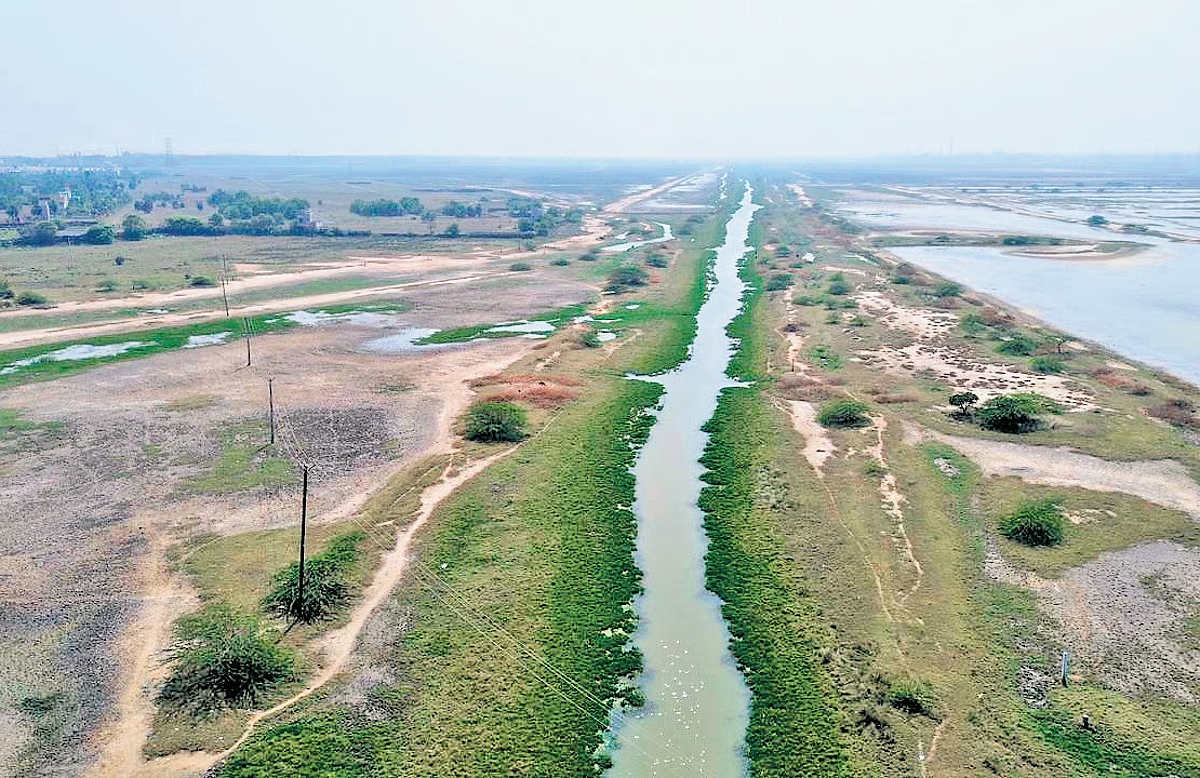
    • Migratory Waterbirds Impact: Dredging and bund work for the proposed Mamallan reservoir in the Kovalam-Nemmeli backwaters is affecting a crucial habitat for migratory waterbirds. The Palluyir Trust for Nature Education and Research conducted a survey revealing approximately 3,500 waterbirds across 51 species, of which 25 species are protected under the UN Convention on Migratory Species.

    • Species Recorded: Significant findings included:

      • Over 1,500 garganey ducks, migrating from temperate regions such as Russia and Mongolia.
      • More than 700 greater flamingos observed foraging within the project site.
    • Ecological Significance: The Kovalam-Nemmeli wetland serves as an essential stopover for migratory birds along the Central Asian Flyway during the August - September migration season. The active foraging noted indicates biologically rich mudflats, which have not been recognized in existing coastal zone management plans.

    • Environmental Concerns:

      • Dredging and bunding have led to the removal of brackish and halophytic vegetation, crucial for providing a buffer against human activity for waterbirds.
      • Blocking of tidal flows could hinder marine organisms' movements during high tides, potentially decreasing food availability for the waterbirds.
    • Flood Risks: The project raises concerns regarding its implications for flood drainage in south Chennai. Researchers at Anna University’s Centre for Climate Change and Disaster Management have cautioned about increasing flood risks due to extreme weather conditions and severe cyclonic events in the Bay of Bengal. They warn that obstructing crucial flood channels may exacerbate flooding around the Old Mahabalipuram Road (OMR) area.

    • Legislative and Policy Context: The project must comply with environmental regulations and guidelines concerning migratory species' protection, as enshrined under international agreements like the UN Convention on Migratory Species, and align with Indian environmental laws and policies regarding habitat conservation.

    This summary underscores the potential environmental and ecological impacts of the Mamallan reservoir project, highlighting the need for careful assessment and adherence to protective regulations for migratory species and local ecosystems.

    India's Climate Challenges and Forecasting
    National and International Importance04-Oct-2026

    India's Climate Challenges and Forecasting

    Climate Monitoring and Ecological Challenges in India

    Key Climate Indicators:

    • India experienced a 12.6% rainfall deficit during the southwest monsoon.
    • The India Meteorological Department (IMD) alerts for extreme weather events, including cyclones, intense rainfall, and heatwaves.
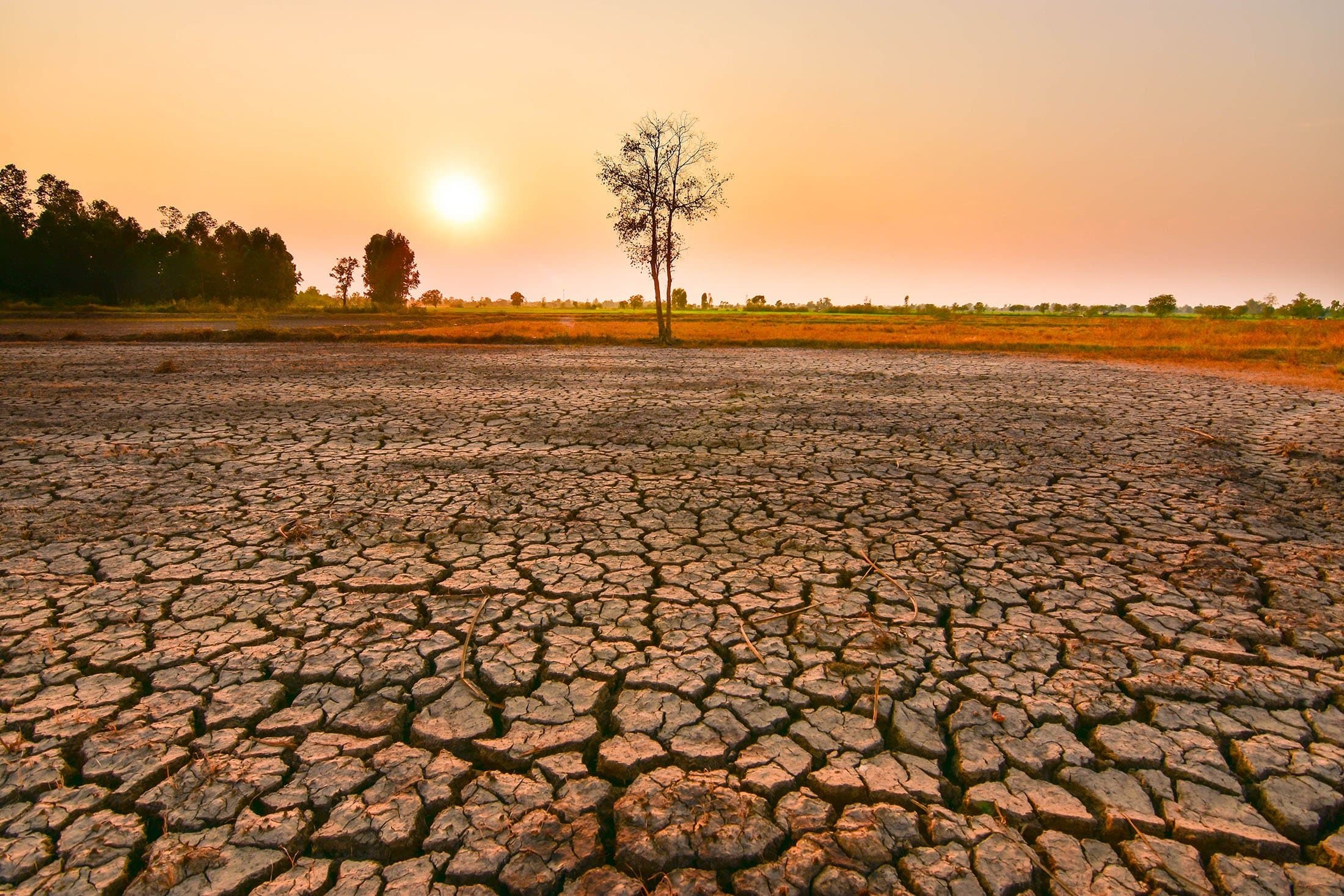
    • Projections indicate an impending dry period across most of India due to a strengthening El Niño, significantly impacting water availability in rivers and wetlands, thereby stressing agriculture and ecosystems.

    Ecological Response and Monitoring:

    • Different ecological systems (forests, wetlands) show varied responses to rainfall deficits based on factors such as soil moisture, vegetation, groundwater, and human impact.
    • Stress from Super El Niño can exacerbate already strained ecosystems, potentially exceeding resilience thresholds.

    Technological Advancements in Weather Forecasting:

    Mitigating Human-Wildlife Conflict Strategies
    Environment and Ecology04-Oct-2026

    Mitigating Human-Wildlife Conflict Strategies

    Summary of Human-Wildlife Conflict Mitigation Efforts in Chinnakkanal

    Key Facts and Figures:

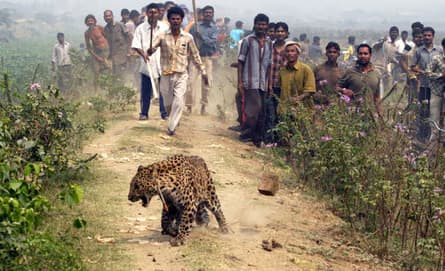
    • The recent actions to mitigate human-wildlife conflict in Chinnakkanal involve the relocation of a wild tusker, locally known as Chakkakompan, to Mathikettan Shola National Park through a newly cleared elephant passage.
    • Over the past decade, wildlife conflicts have resulted in 81 deaths and 486 injuries.
    • For the periods of 2023-24, 10 deaths and 79 injuries were reported, while for 2024-25, there were 7 fatalities and 103 injuries.
    • In the first nine months of 2026, there have been 5 fatalities and 13 injuries due to wild elephant encounters.
    • The area reportedly hosts between 17 to 18 wild elephants, complicating mass capture efforts.

    Constitutional References:

    • The directive to clear illegal obstructions aligns with environmental conservation efforts under the Fundamental Duties (Article 51A(g)) of the Indian Constitution, which mandates the protection of wildlife and their habitat.

    Judicial Involvement:

  • Advances in satellite technology have revolutionized weather forecasting and disaster management, necessitating integration with ground-level observations for effective monitoring.
  • Uttarakhand's initiative: Real-time monitoring of glacial lakes (e.g., Vasundhara Tal) to link water levels and snow depth with early warning systems.
  • Importance of Ecological Research:

    • Necessity to monitor indicators of ecosystem health, including soil moisture, vegetation stress, and animal behavior to detect early signs of ecological strain.
    • Increased vulnerability of Himalayan forests due to climatic factors: warmer winters and erratic disturbances increasing the risk of wildfires.

    Marine Ecosystems:

    • Monitoring thermal distress in coral reefs is crucial for understanding the health of marine habitats and safeguarding coastlines against erosion and storm surges.

    Community and Institutional Coordination:

    • In light of the ongoing climate challenges, a collective appeal from nearly 200 ecologists for an emergency ecosystem-wide monitoring network highlights the inadequacy of current monitoring capabilities, which is dispersed across research institutions, governmental bodies, and civil groups.
    • A coordinated framework is urged for a unified response to climate variability and ecological monitoring.

    Government Responses and Initiatives:

    • The necessity for micro-monitoring to identify ecological nuances and direct resources effectively to vulnerable sites.
    • Advocacy for an integrated system to improve coordination among various stakeholders to appropriately respond to immediate and future ecological challenges driven by climate change.

    Overall Implication: India's post-monsoon climate challenges require substantial monitoring and response mechanisms to mitigate impacts on ecosystems and livelihoods. Promoting inter-institutional collaboration can enhance resilience against the adverse effects of climate variability exacerbated by phenomena such as El Niño.

    • The owner of RS Estate has filed a petition in the High Court, claiming that the Forest department dismantled fences on titled property. The Forest department plans to present a statement of facts regarding this case.

    Forest and Wildlife Management:

    • The Forest department initiated the clearance of illegal fences following a directive from the Idukki District Collector, emphasizing the necessity to reopen traditional elephant migration routes.
    • Authorities have identified three additional key elephant passages currently obstructed in the Chinnakkanal area.

    Government Initiatives:

    • The clearance drive is driven by an urgent need to address rising casualties from human-wildlife conflicts. The District administrative and Forest department's proactive measures aim to minimize incidents through the revitalization of natural pathways for elephants.
    • Future plans include the capture and translocation of two problem elephants—Chakkakompan and a female known as Murivali—before December 2026, following formal requests from local administration.

    Environmental & Biodiversity Insights:

    • The opening of elephant corridors is significant in reducing potential conflicts; when migration routes are obstructed, elephants display aggressive behaviors which can lead to fatal interactions with humans.

    Local Community Impact:

    • Local farmers and organizations have opposed fence removal amidst concerns about their personal safety and property, highlighting a clash of interests between environmental conservation and agricultural livelihoods.

    Conclusion: The ongoing efforts to facilitate wildlife movement in Chinnakkanal illustrate a calculated approach to safeguard human lives while preserving biodiversity and wildlife habitats, representing an intersection of environmental policy, judicial proceedings, and community engagement.